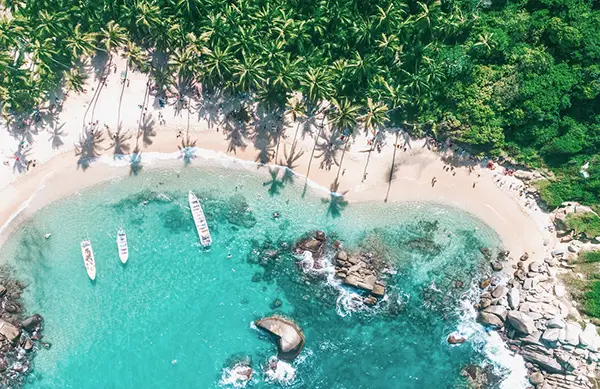
You know the saying, “If you love what you do, you’ll never work a day in your life.” If you adore diving, going pro might seem like a far-fetched dream, but it is more attainable than you think.
Turning your passion for diving into a career takes commitment, training and plenty of time in the water. But you don’t need to have your entire career mapped out before you start. The PADI Professional pathway gives you the skills and experience to discover where diving can take you and whether you want to lead dives, teach new divers, specialize in a particular type of diving or build a career around ocean conservation.
So, what does it take to go pro?
Start With Your Diving Skills
If you’re new to scuba diving, you might wonder how someone turns their love of diving into a career. Getting the proper training is crucial.
Before you go pro, you’ll build a strong foundation through recreational courses such as Open Water Diver, Advanced Open Water Diver and Rescue Diver. You’ll also gain experience through logged dives.
However, the goal isn’t simply to collect certifications. Each course helps you become a more capable, confident and independent diver — and those skills become increasingly important when you’re responsible for other people in the water.
Become a PADI Divemaster
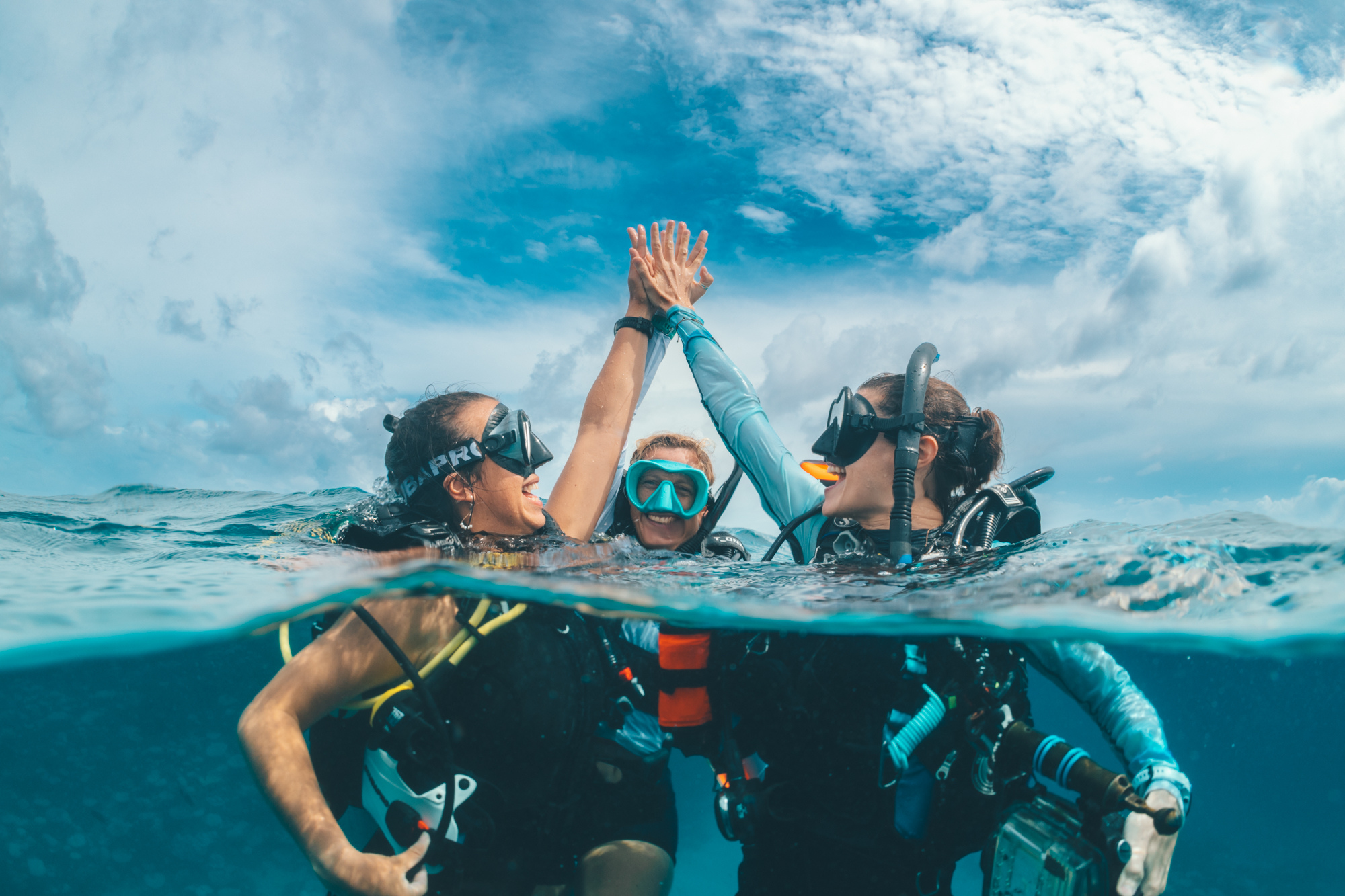
The PADI Divemaster course is the first step in going pro and becoming a PADI Professional.
To enroll, you must be at least 18 years old and hold Open Water Diver, Advanced Open Water Diver and Rescue Diver certifications (or qualifying equivalent certifications). You’ll also need at least 40 logged dives, current CPR and First Aid training and medical clearance to dive. By the end of the course, you’ll need at least 60 logged dives.
During your Divemaster training, you’ll develop your ability to lead certified divers, assist instructors with training and manage dive activities. You’ll also learn more about dive planning, problem solving and what it takes to run a dive operation.
Just as importantly, you’ll discover what it’s like to take responsibility for the safety of other divers.
Take Your Teaching Skills Further
If you love sharing your enthusiasm for diving, becoming an instructor can open another door.
The PADI Instructor Development Course (IDC) builds on your professional-level experience as a Divemaster and prepares you to teach people how to dive. The IDC includes the Assistant Instructor and Open Water Scuba Instructor programs, which can be completed together or separately.
To begin an IDC, you must be at least 18, have been a certified diver for at least six months, hold a Divemaster certification (or qualifying equivalent certification), have at least 60 logged dives, maintain current CPR and First Aid training and have medical clearance to dive. You need 100 logged dives to receive your instructor-level certification. As part of your PADI Instructor training, you will also become an Emergency First Response Instructor.
The PADI Open Water Scuba Instructor rating allows you to teach and certify divers through the Divemaster level, along with other courses within your instructor ratings. You can then add Specialty Instructor ratings to expand what you teach.
Find Your Specialty
Going pro doesn’t mean every day has to look the same. Your professional journey can evolve with your interests. You might start by guiding divers at a local dive center and eventually find yourself teaching courses overseas, working on a liveaboard or specializing in a type of diving you love.
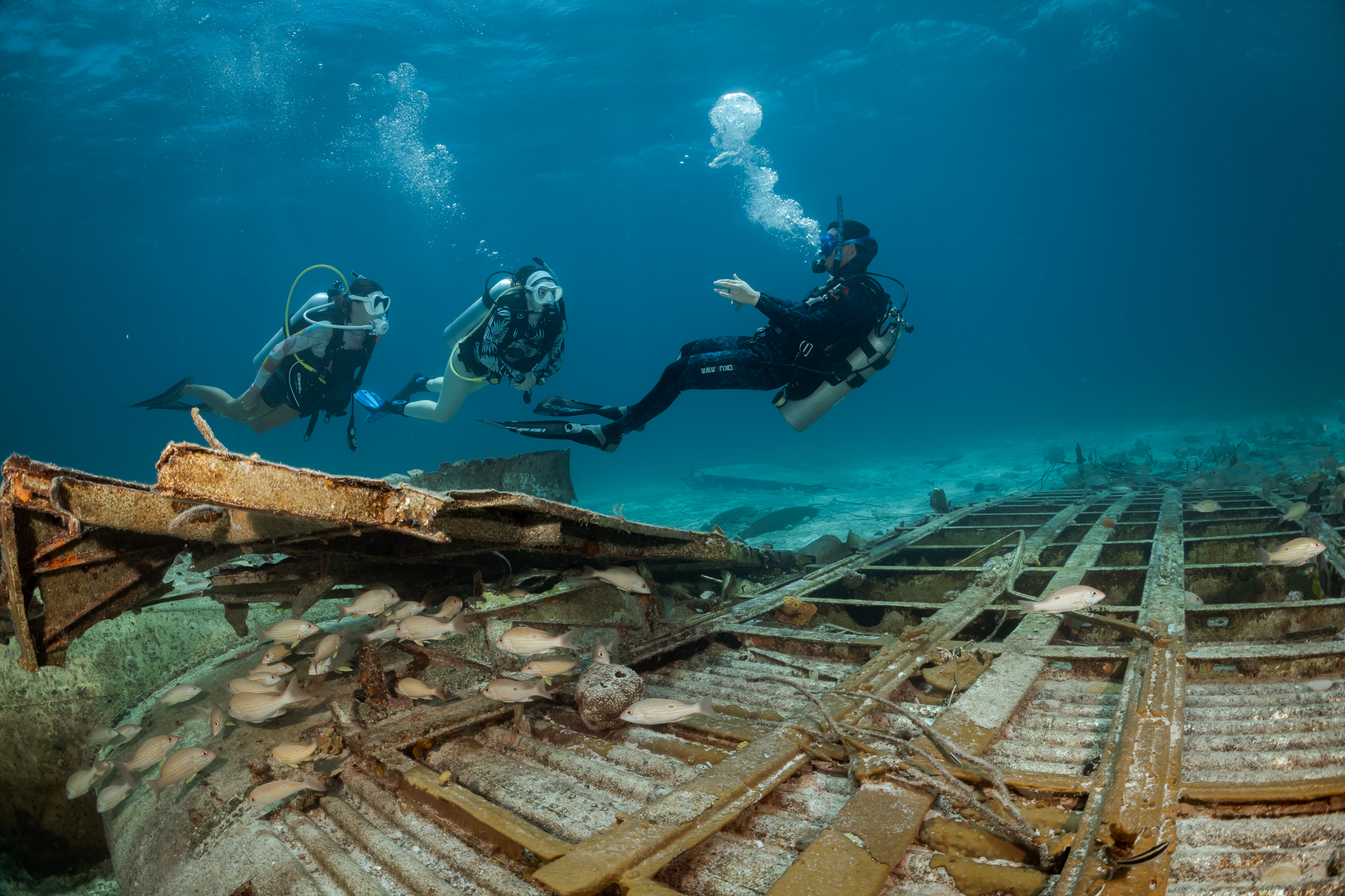
Once you’re an instructor, additional training can help you develop expertise in the types of diving you enjoy most. Depending on your goals, you can pursue instructor-level training in PADI Specialties, such as wreck diving, drift diving, dry suit diving and other disciplines.
You can also explore paths into technical diving, rebreather diving, freediving and other areas of the PADI System.
Eventually, as a PADI IDC Staff Instructor, you can independently teach and certify PADI Assistant Instructors at PADI Five Star Dive Centers or PADI Five Star Dive Resorts and assist PADI Course Directors with the PADI Instructor Development Course (IDC).
Next, you might pursue the prestigious PADI Master Instructor certification, followed by PADI Course Director, the pinnacle of PADI Professional training and the highest PADI professional level. Being a Course Director allows you to teach PADI Instructor-level courses.
Learn at Your Own Pace
Going pro takes dedication, but there are different ways to fit professional training around your life and schedule.
Some knowledge-development components are available through PADI eLearning®, allowing you to study online before completing practical training with a PADI Professional. You can also choose to train part time or immerse yourself in a more intensive full-time program.
With PADI Dive Centers and Resorts around the world, you can complete your training close to home or combine professional development with a dive trip.
Where Can a PADI Professional Work?
One of the most exciting parts of going pro is the variety of careers available.
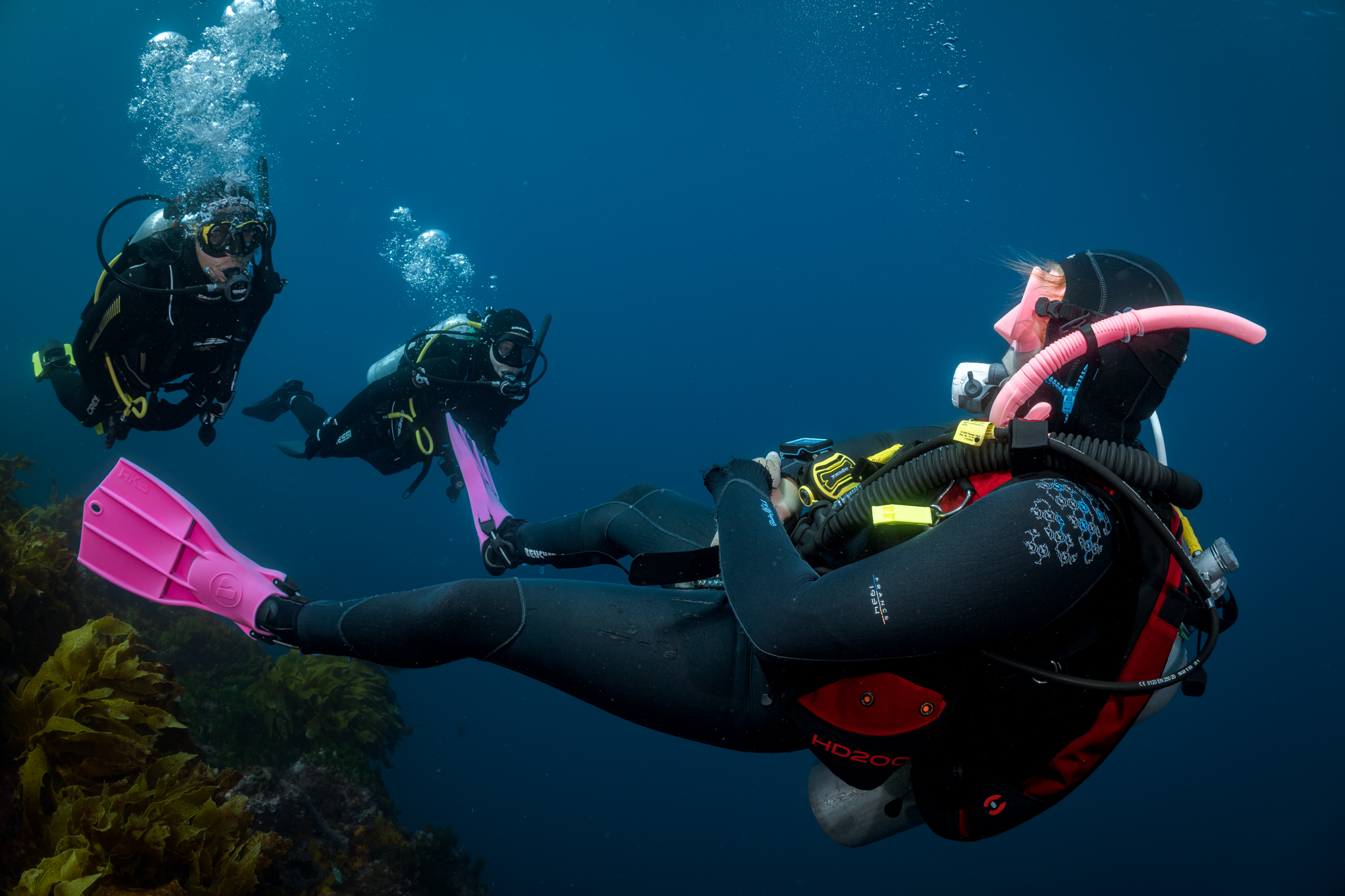
PADI Professionals work in dive centers and resorts around the world, on liveaboards and in other marine-focused roles. Some guide certified divers, while others spend much of their time teaching new students. Others combine diving with photography, marine science, conservation, boat operations or tourism.
But your career doesn’t always have to take you halfway around the world. You can also choose to work as a dive professional in your local community or travel to destinations where diving is at the heart of everyday life.
Ready To Go Pro?
If diving is already a big part of your life, becoming a PADI Professional could be the next adventure.
You don’t have to know exactly where the journey will take you. Start by building your experience, strengthening your skills and talking to a PADI Dive Center or Resort about the professional pathway that’s right for you.
From PADI Divemaster to Instructor and beyond, going pro can turn the thing you love into a career — and give you the opportunity to help other people discover why the underwater world matters so much.