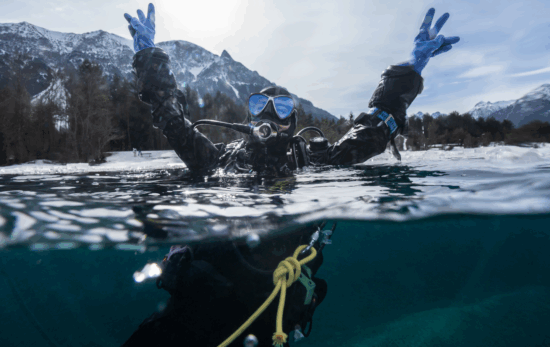
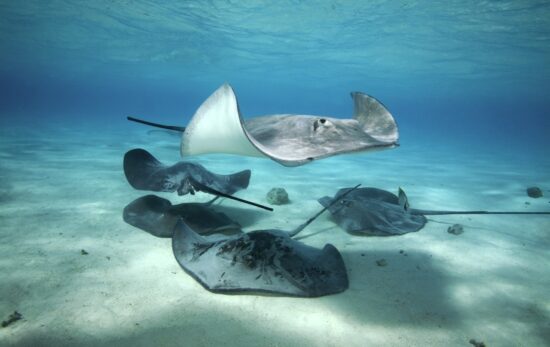
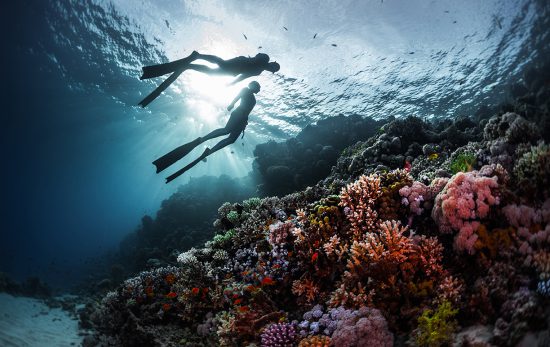
There’s a moment on every dive when the world above disappears. The noise, the news, the endless scroll… gone. Just you, your breath and an underwater world few people ever see.
That last part matters more than you might think. Certified scuba divers may represent a tiny fraction of humanity, yet when we learn to dive, we gain unique access to places most people will never even see. We’re lucky enough to have learned the skills and been given the privilege of going where almost no one else can. And that gift comes with responsibility: We don’t own the ocean. We’re custodians, holding it in trust for the generations of divers who’ll dive these reefs after us.
Scuba divers are uniquely qualified to do a lot of the work protecting the ocean. We are its first responders, its citizen scientists and its restoration crew. And so the math is simple: the more of us there are, the more we can do.
Every diver starts somewhere, usually because someone they trust said: “You should try this.” When you refer a friend to diving, you’re giving them more than a new hobby. You’re recruiting another ocean protector.
More Hands Below the Surface
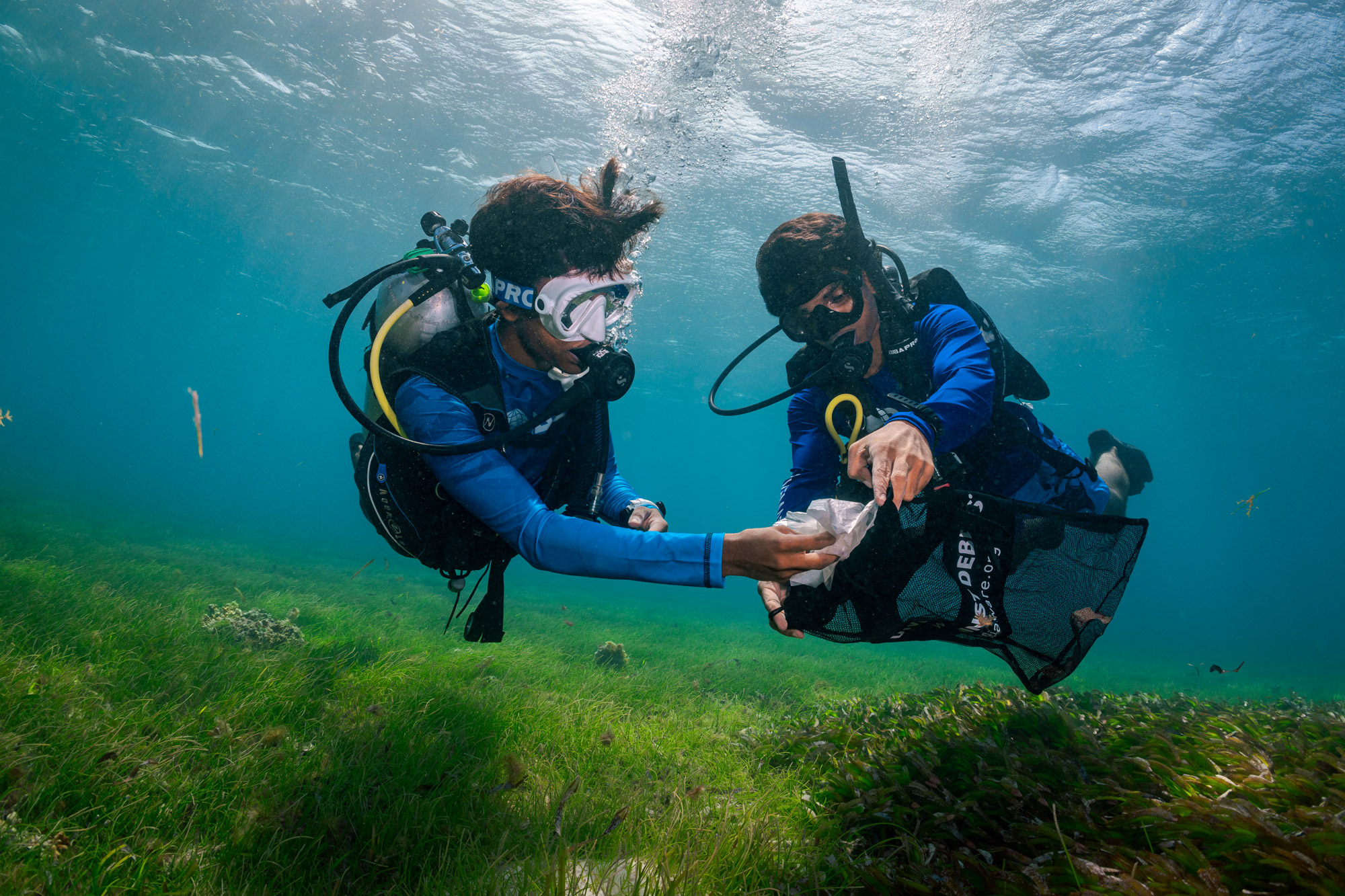
Beach cleanups perform vital work. They intercept plastic before it reaches the water and stop debris that has washed ashore from returning to the ocean. However, there is still a whole category of waste they can’t touch — the debris already in the water.
Ghost nets don’t wash ashore. They hang in the water column, trapping turtles, sharks and fish for years. Fishing line wraps around coral. Bottles settle on the seabed. This is where divers come in.
Only we can reach it.
PADI Divers participating Dive Against Debris cleanups have removed more than 2.5 million items of trash from the ocean and freed more than 42,000 marine animals from entanglement. Through Adopt the Blue, the dive community has adopted more than 3,400 dive sites for protection, with the aim of reaching 10,000.
In one remarkable event in Mexico’s Espíritu Santo Archipelago, a team of 16 divers spent more than 40 hours underwater across 60 dives to remove a single ghost net. It was 90 meters (295 feet) long and weighed nearly two tons. Numerous turtles and fish were tangled in it when they arrived. Conservation International has now trained nearly 200 divers worldwide in ghost net recovery to tackle operations like this one.
In Florida, the Ocean Conservation Foundation‘s dive teams have removed more than 20,000 pounds (9072 kilograms) of underwater trash through regular cleanup dives.
Every new diver is another pair of hands in the places that need them most.
More Eyes on What Matters
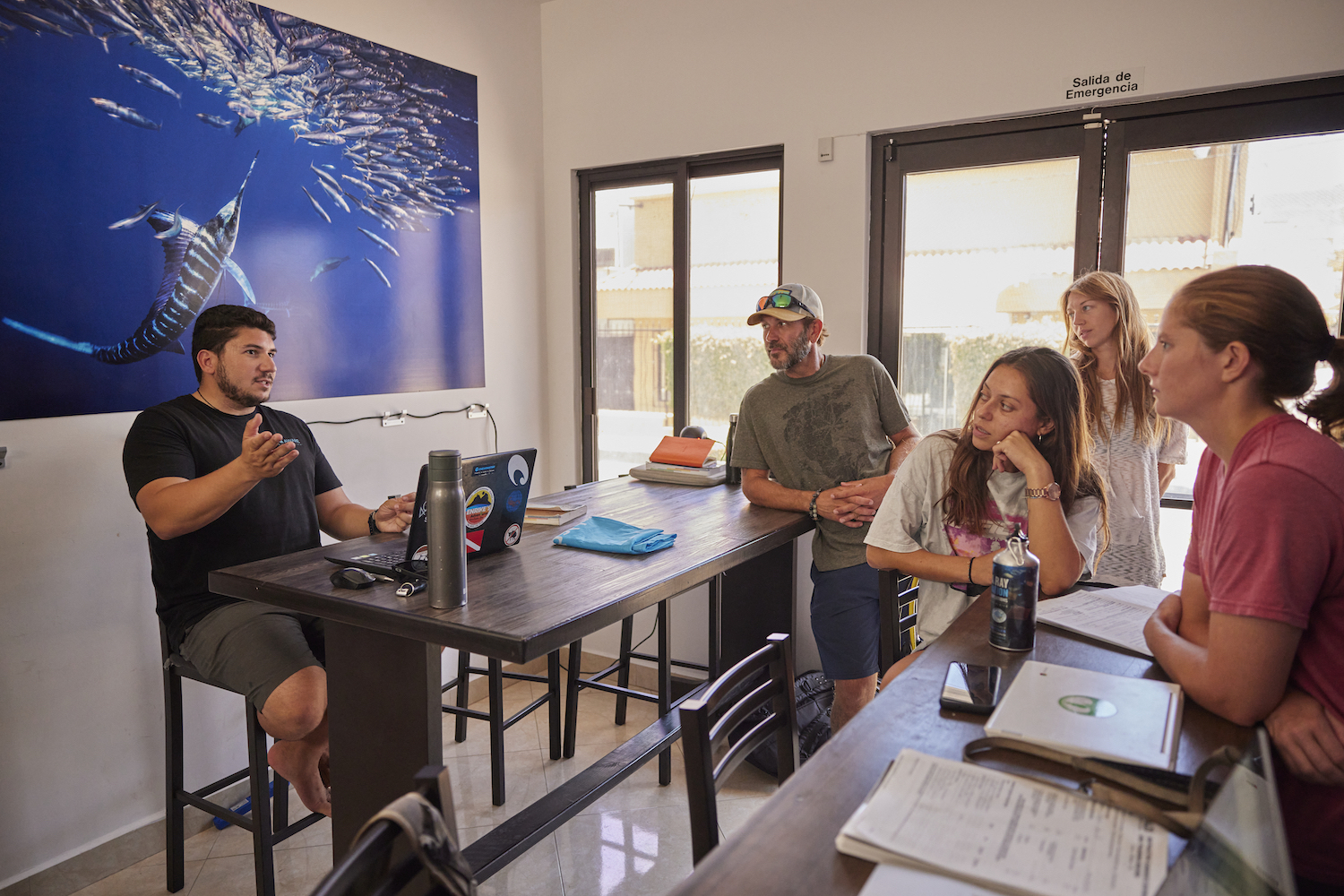
Scientists can’t be everywhere. We can.
In the Florida Keys, volunteer divers with the Reef Environmental Education Foundation have been surveying fish populations for 25 years. When researchers compared their data against formal NOAA surveys covering roughly 90 species, the volunteer data matched the federal data with strong correlations across most species.
This is why PADI AWARE is launching the Global Shark and Ray Census in 2026, the largest global diver-led survey of vulnerable species to-date. When divers log our shark & ray sightings (or where they are absent), closing the information gap between perception and protections, providing measurable data to determine how shark & ray populations are recovering and where stronger protections are needed.
Rebuilding What We’ve Lost
Coral reefs are dying. Bleached skeletons where forests of color used to be. The good news? Reefs can recover, and when you learn to dive, you unlock the ability to help. The skills to restore reefs, remove debris or survey wildlife all start with that first diving certification.
In the Seychelles, the Reef Rescuers project has transplanted more than 50,000 coral fragments onto damaged reef areas. In Indonesia, the Coral Catch program, funded by the PADI AWARE Community Grants program, is training more than 100 local women to become scuba divers to monitor, protect and restore coral reefs. Those participants have since planted more than 5,000 corals.
Every new diver trained in coral restoration expands our capacity to hand over healthier reefs than the ones we inherited.
Your Next Invite Could Change Everything
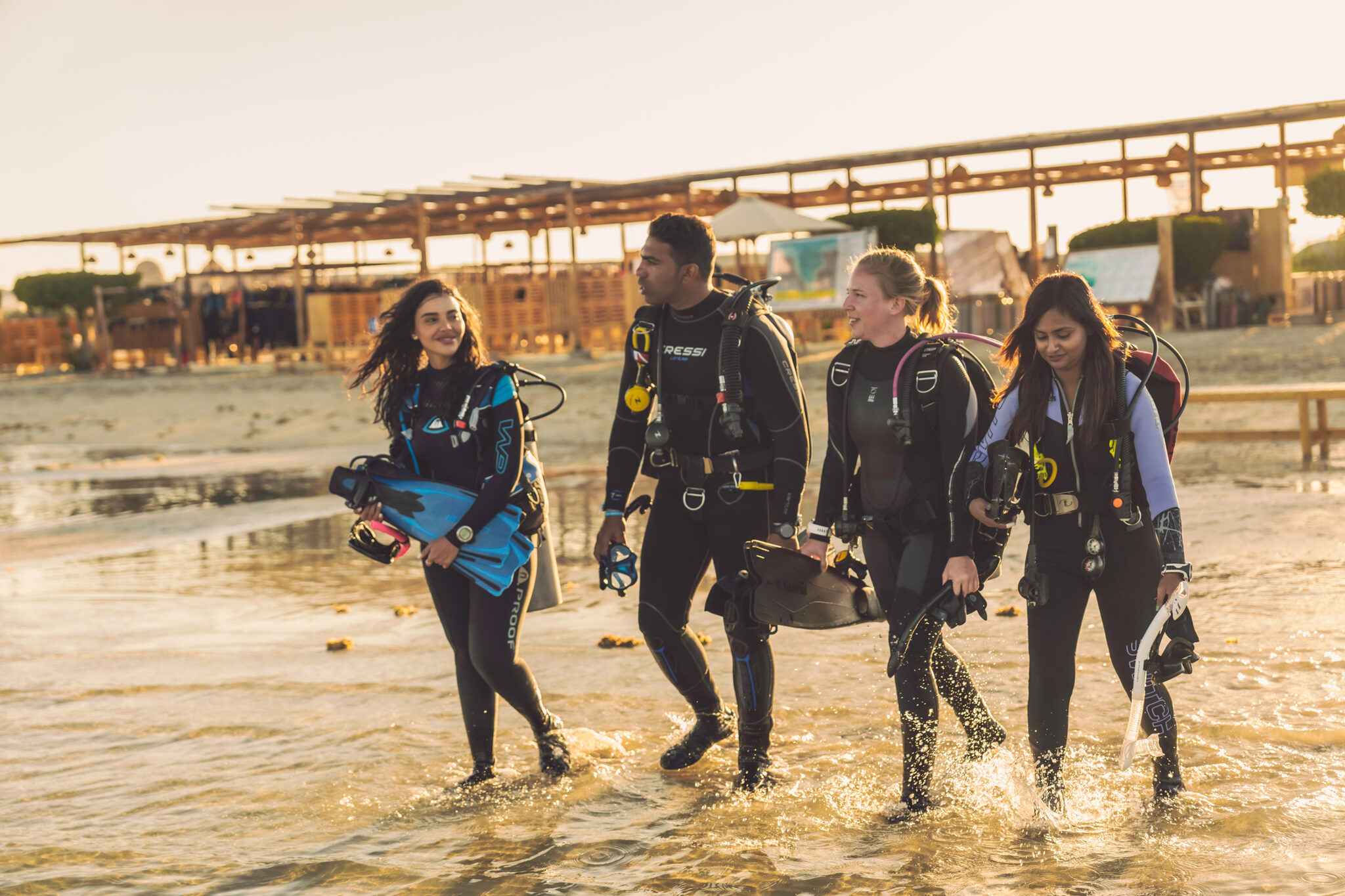
There are more than 30 million certified PADI Divers worldwide, supported by over 128,000 PADI Professionals. Together, we’ve built the largest ocean conservation community on the planet.
We’re not done growing.
That friend who keeps asking about your dive photos? The family member who’s curious about what’s down there? They could be the next person hauling a ghost net out of a marine reserve, or logging shark sightings in the Maldives or planting coral in Indonesia. Every Ocean Torchbearer started exactly where they are now.
Not sure how to bring it up? Here’s a guide to converting your friends into divers.
Bring Someone Into the Water
You know what diving has given you. Now think about what it could give someone you care about, and what they could give back to the ocean.
The oceans needs more protectors. Help create one by referring a friend today. Every diver you bring into the water multiplies everything we can accomplish together.
So… who are you going to ask?