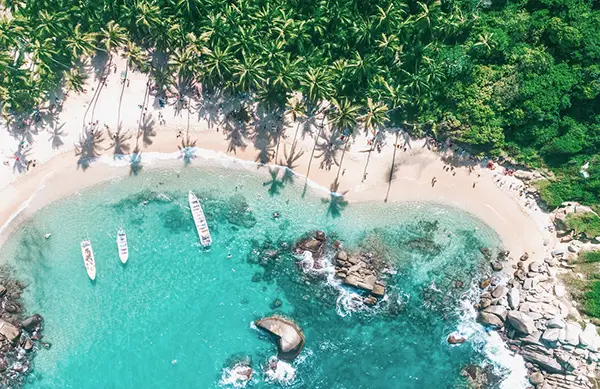
Some people dedicate themselves to protecting the ocean. Others recognize that protecting the ocean begins long before the coastline.
For PADI AmbassaDiver™ and PADI Instructor Yumi Shirai, conservation starts in the mountains. As founder and representative director of MORE Planning, a nonprofit organization based on Japan‘s Izu Peninsula, Yumi has built an environmental movement around one simple but powerful idea: mountains, rivers, oceans and communities are all connected. A discarded object left deep in a forest today can eventually become marine debris tomorrow.
Through community cleanups, environmental education and MORE SCHOOL, Yumi is helping divers understand not only how to safely remove underwater debris, but why protecting the ocean means caring for every environment connected to it.
In recognition of her impact, Yumi has been named a recipient of the PADI Ocean Torchbearer Award, presented to PADI Professionals who demonstrate extraordinary leadership across PADI’s Pillars of Change: Ocean Conservation, Dive Industry Sustainability and People & Humanity.
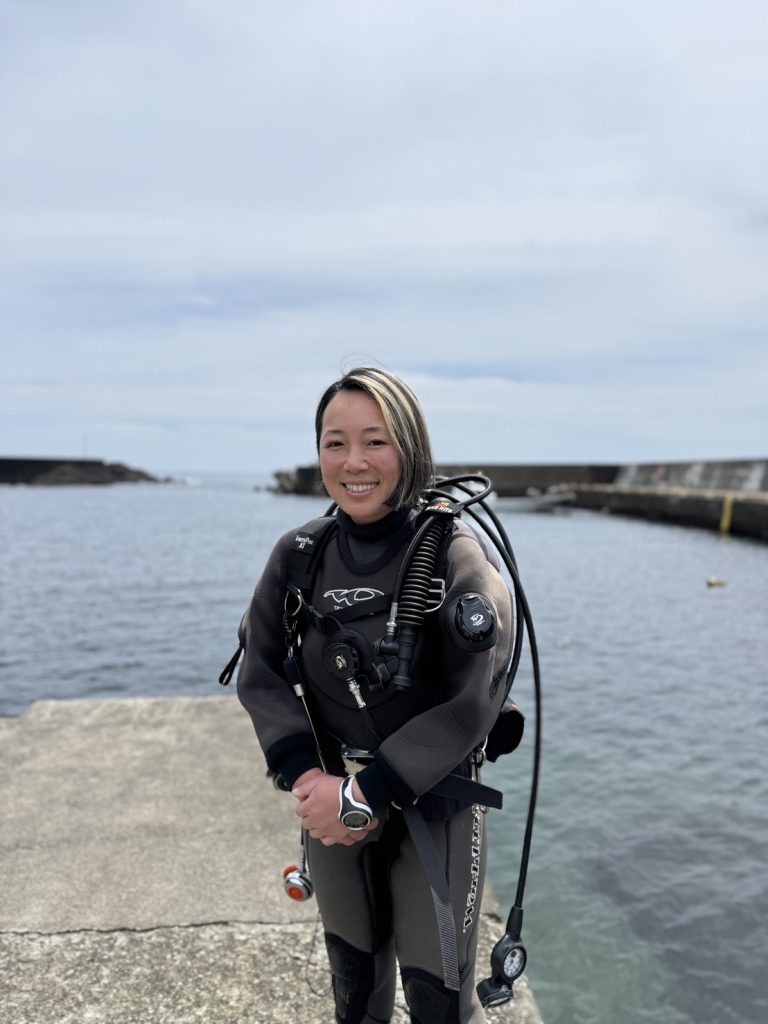
You first discovered diving as a high school student in Sydney. What was it about the underwater world that captured your attention, and how did that experience ultimately inspire your commitment to environmental action?
I first discovered diving as a high school student in Sydney, Australia. Like many people, I was amazed by the beauty of the underwater world and its incredible marine life. But what stayed with me most was the realization that the ocean is not a place where humans are naturally meant to live. Through scuba diving, we are given the rare privilege of visiting another world. That realization changed my perspective. Ever since then, I have considered myself not a resident of the ocean, but a guest.
When we visit someone’s home, we do not leave trash behind, damage their belongings or take things that do not belong to us. I believe the same respect should apply underwater. For me, protecting the ocean is not a special activity; it is simply a way of showing gratitude and respect for a world that allows us to visit.
That philosophy eventually became the foundation for MORE Planning, an organization built on understanding the connections between every part of the natural world.
MORE stands for Mountain, Ocean, River and Earth. What inspired you to create an organization built around these connected ecosystems, and why do you believe protecting the ocean often begins in the mountains?
The inspiration came from seeing firsthand how closely these environments are connected through waste. One experience that left a lasting impression on me was finding tools once used for wasabi farming lying on the seafloor. They had originated high in the mountains before traveling downstream through rivers and eventually reaching the ocean. At that moment, I realized nature does not recognize the boundaries we create. Water flows from the mountains to the rivers and then to the sea. What happens in one place inevitably affects another.
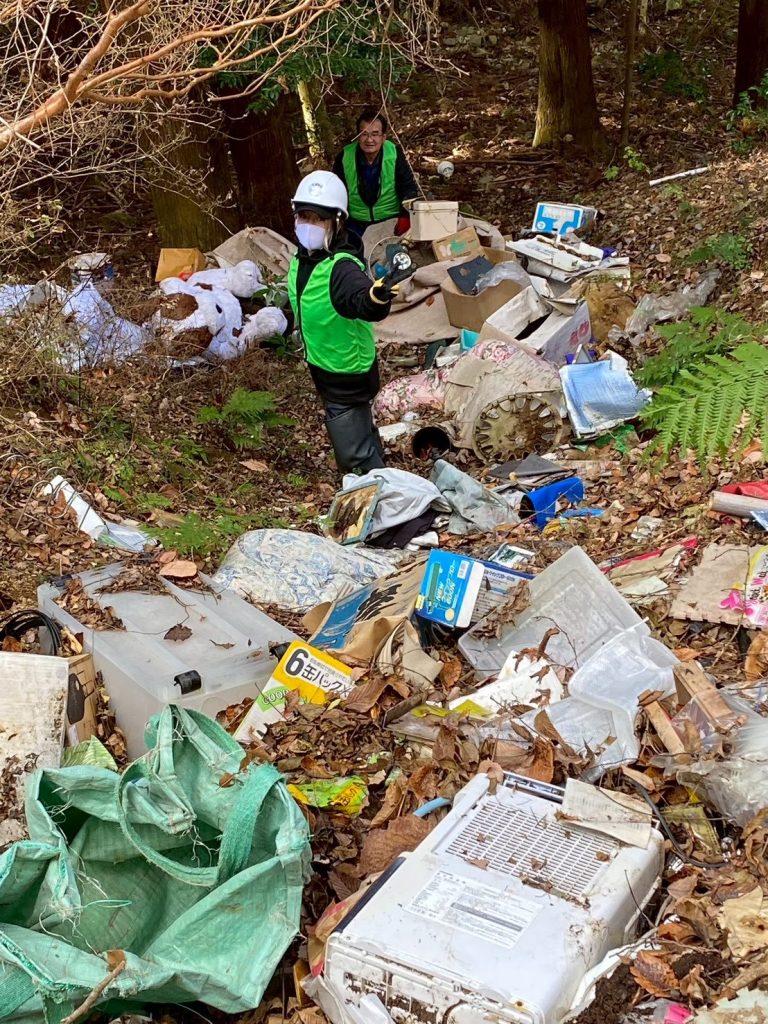
Through our cleanup activities, we have since found an astonishing variety of illegally dumped waste in mountain ecosystems, including bicycles, computers, rice cookers, electrical cable insulation, clothing and even abandoned vehicles. Many people assume marine debris begins at the beach, but much of the pollution threatening the ocean begins far inland. Rainfall and rivers eventually carry it downstream.
That realization became the foundation of MORE Planning. We chose the name MORE because environmental conservation should never focus on just one ecosystem. If we want to protect the ocean, we must also care for the rivers and mountains connected to it. Conservation does not begin at the shoreline. If we only focus on beaches and reefs, we are addressing the problem after it has already traveled through the landscape.
For Yumi, understanding those connections naturally leads to another question: what responsibility do divers have once they’ve seen the ocean for themselves?
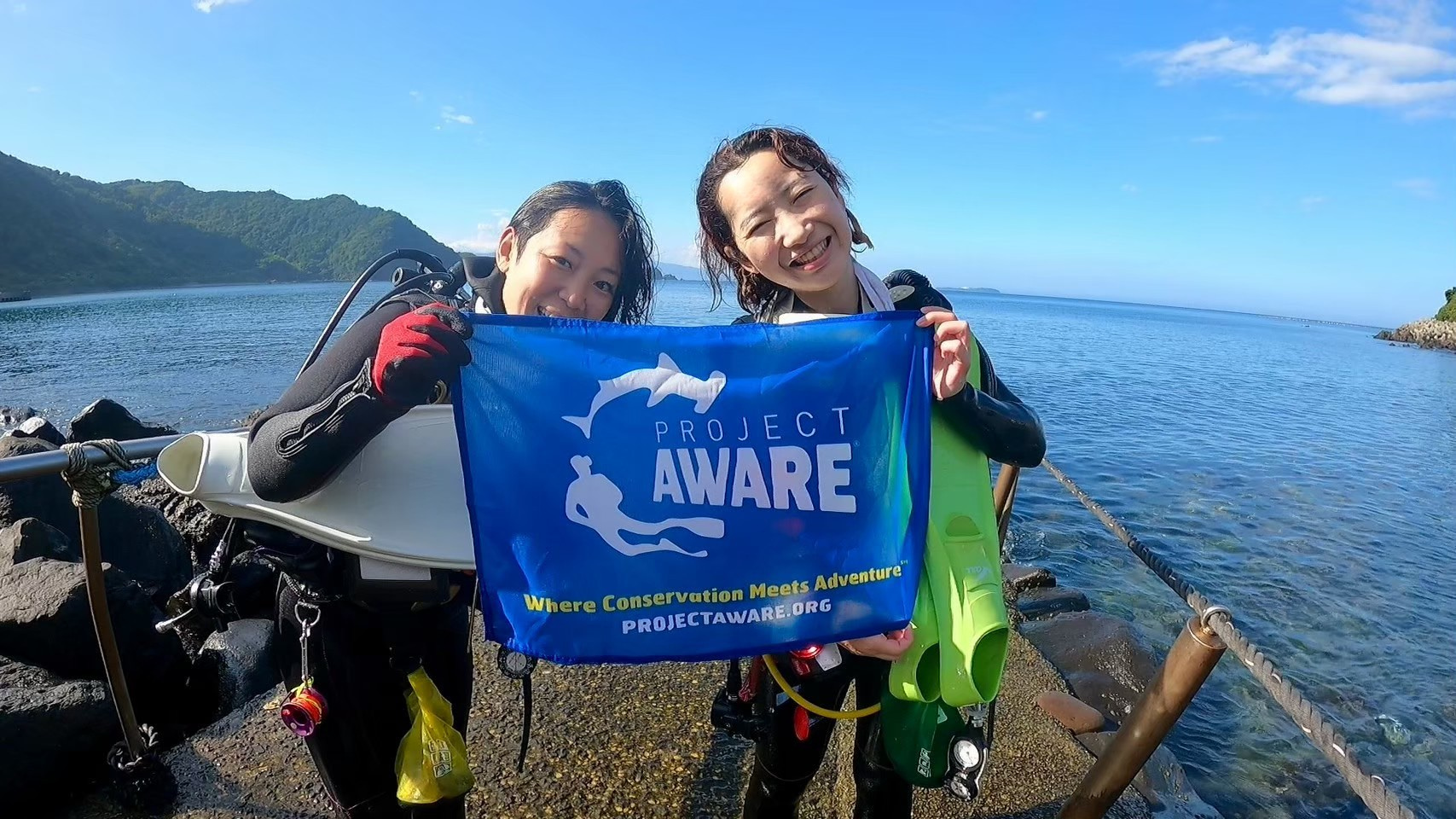
You have said, “I want to share and work with divers on what only divers can do and what we must do because we are divers.” What responsibilities do you believe divers have?
Diving is first and foremost a recreational activity that brings joy, adventure and discovery. At the same time, divers are among the very few people who can enter and observe a world that most people will never experience firsthand. Because of that, I believe divers have a unique role as storytellers and witnesses. We can share the beauty of colorful reefs, fascinating marine life and historic shipwrecks. But we also see abandoned fishing gear, marine debris, damaged habitats and the consequences of human activity beneath the surface. If we witness these realities and remain silent, an important part of the story is lost.
I do not believe every diver is responsible for removing marine debris. However, I do believe every diver has a responsibility to enjoy the ocean without harming it. Protecting the places we are privileged to visit begins with respect.
Through MORE SCHOOL, you are helping divers develop both environmental knowledge and practical cleanup skills. What inspired you to launch this initiative?
MORE SCHOOL was inspired by something very encouraging: I began seeing more and more divers who genuinely wanted to help address marine debris and environmental issues. Removing underwater debris requires more than good intentions. It requires knowledge, proper training and a strong commitment to safety. No piece of trash is worth risking your own safety or your buddy’s.
I wanted to create a place where people could learn how to contribute responsibly. MORE SCHOOL teaches environmental awareness alongside the practical skills needed to conduct underwater cleanups safely and effectively. I also hope it creates new opportunities for people whose first interest in diving comes from a desire to protect the ocean. By combining conservation with diving education, I believe we can strengthen both ocean conservation and the future of the dive industry.
While education is essential, Yumi believes lasting conservation depends on inspiring entire communities to participate.
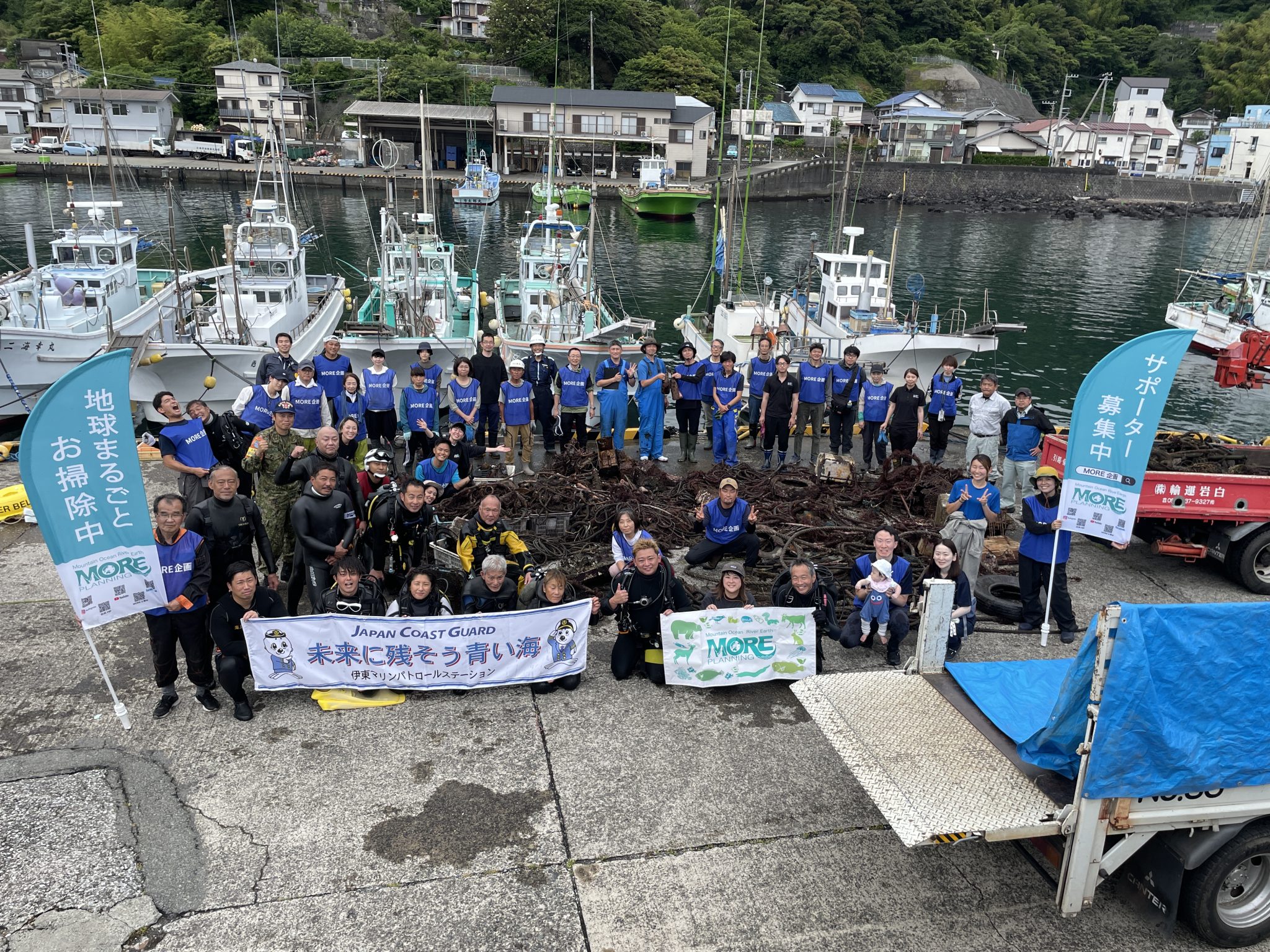
Your work spans community cleanups, environmental education, exhibitions, lectures and partnerships with local organizations. How do these activities work together to create lasting conservation impact?
At the heart of everything we do is one simple belief: I do not want our conservation efforts to end when we are no longer able to continue the work ourselves. Marine debris was not created overnight, and it will not disappear overnight. Solving these challenges will require multiple generations, which means we must pass the baton to those who come after us.
Cleanup activities help us understand the problems. Education helps people understand why they matter. Exhibitions and lectures reach new audiences, while partnerships create systems that can continue long into the future. Our goal is not simply to remove trash. Our goal is to inspire more people to care enough to take action.
Building a nonprofit organization requires tremendous dedication. What has been the most rewarding moment since founding MORE Planning?
One of the most rewarding achievements has been launching the Izu Peninsula Marine Debris Cleanup Project in 2024.
Since then, we have completed cleanups at 13 ports and marinas throughout the Izu Peninsula with the support of more than 500 volunteers. Each event removes between 500 kilograms (1100 pounds) and three tons of debris from the seafloor. What makes me proud is not simply the amount of debris we recover; it is watching participants spend an entire day lifting heavy, dirty, foul-smelling debris, only to finish with smiles on their faces, saying, “That was fun. I’ll be back.”
Most people could live their lives without ever thinking about the trash resting beneath the surface. Yet hundreds of people choose to spend their time helping anyway. That gives me hope.
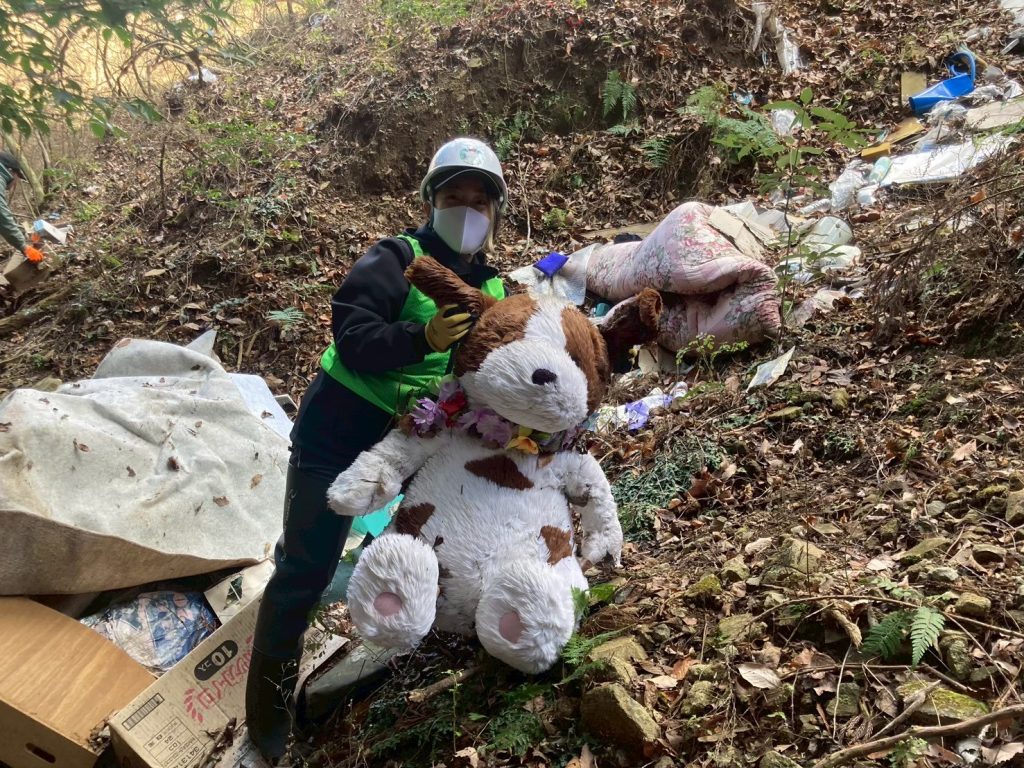
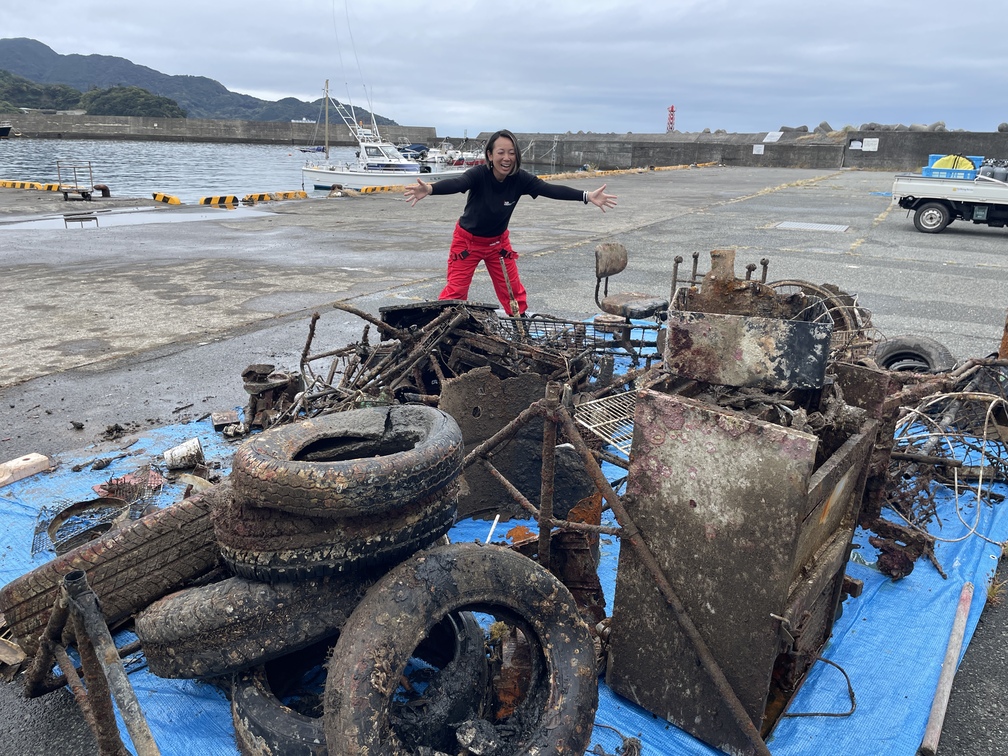
Looking ahead, what is your vision for MORE Planning, MORE SCHOOL and the role divers can play in creating a more sustainable future?
My vision begins with sustainability, not only for the environment, but also for the people doing this work. I want MORE Planning to become financially sustainable, so it can continue creating impact for many years to come. Within the next decade, I hope every port and marina across the Izu Peninsula will have been cleaned through our Marine Debris Cleanup Project, with the model expanding to other regions of Japan.
But success is not simply measured by how much trash we remove. Even after a cleanup, new debris can enter the environment. That is why education and community involvement are just as important as cleanup itself. People protect places they feel connected to. Divers are uniquely positioned to create that connection by sharing what they see underwater and inviting others to become part of the solution.
For me, success means not only cleaner oceans, but a lasting culture of stewardship that continues long into the future.
Through MORE Planning and MORE SCHOOL, Yumi Shirai is demonstrating that ocean conservation does not begin beneath the surface; it begins wherever our actions touch the natural world. By reminding us that we are guests in the underwater world, and that every mountain, river and coastline is connected, she embodies the spirit of a PADI Ocean Torchbearer™, inspiring divers to become lifelong stewards of the places they are privileged to explore.