
Unsure if you want to take the PADI Advanced Open Water Diver (AOW or AOWD) course? Read on to learn everything you need to know including:
- What is the PADI Advanced Open Water Diver course?
- How hard is the PADI Advanced Open Water Diver course?
- What’s the difference between Open Water Diver and Advanced Open Water Diver?
- How many dives do you need for the Advanced Open Water Diver course?
- What skills will you actually learn?
- How long does PADI Advanced Open Water Diver eLearning take?
- And how long does the whole course take?
- What’s the minimum age for the PADI AOW course?
- Do you need to buy your own gear?
- Are there any other requirements for the PADI AOW course?
- Is Advanced Open Water Diver worth it?
- How deep can you go with a PADI Advanced Open Water Diver certification?
- How much does a PADI AOW course cost?
Click to display the embedded YouTube video
What Is the PADI Advanced Open Water Diver Course?
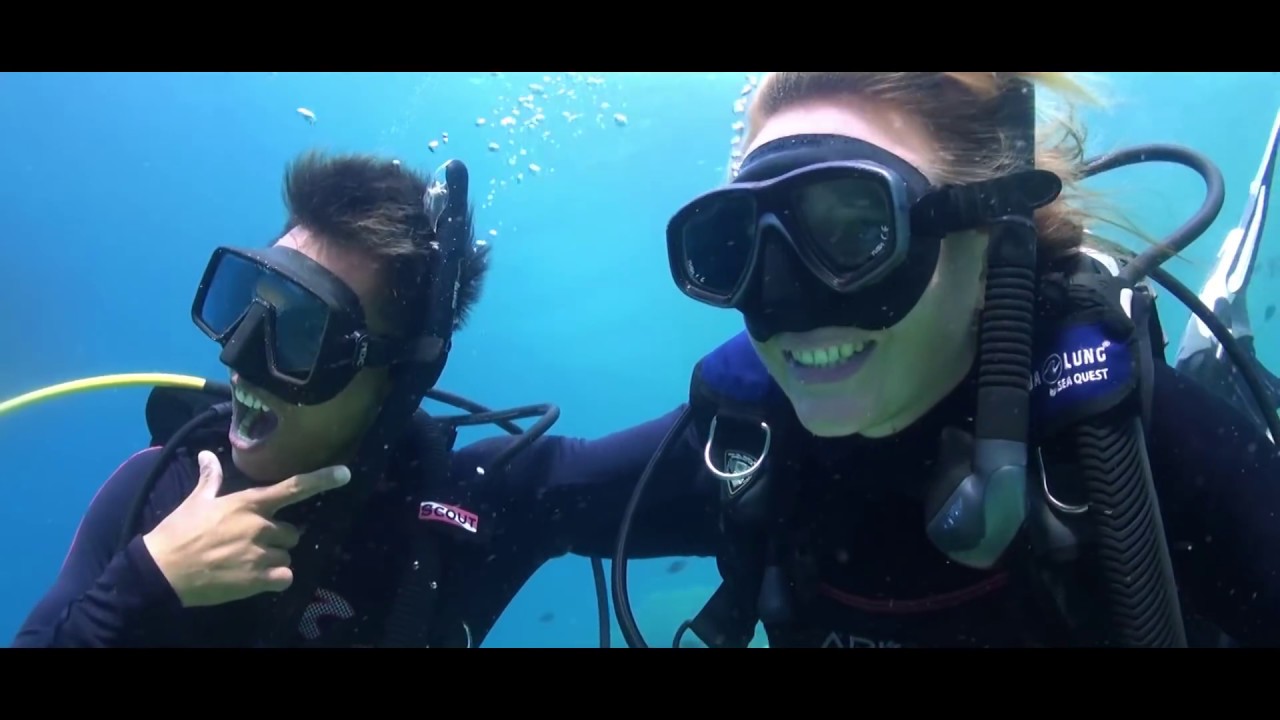
The PADI Advanced Open Water Diver course is designed to help you improve your skills, gain confidence and experience new things with a PADI Instructor by your side. You’ll practice navigation, try a deep dive and make three Adventure Dives of your choosing. Learn more about our Advanced Scuba Courses.
Here’s the short version of what the PADI Advanced Open Water Diver course gives you:
- Five Adventure Dives, two required (Deep and Underwater Navigation) and three you choose
- A depth qualification of 30 meters/100 feet
- Credit toward a PADI Specialty certification for every Adventure Dive you make
- No exam, very little classroom time, and six to eight hours of eLearning
How Hard Is the PADI Advanced Open Water Diver Course?
Many people worry the Advanced Open Water Diver course will be more difficult than the Open Water Diver course. The opposite is true (ask any advanced diver or instructor).
Remember that the Open Water Diver course is designed to take people who have never put on scuba gear and turn them into underwater explorers. It’s a huge transformation.
The AOW course, on the other hand, is all about advancing the skills you already mastered in your entry-level course and experiencing new activities, which builds on your abilities, skills, and confidence. You learn by diving with a PADI Instructor.
What’s the Difference Between Open Water Diver and Advanced Open Water Diver?
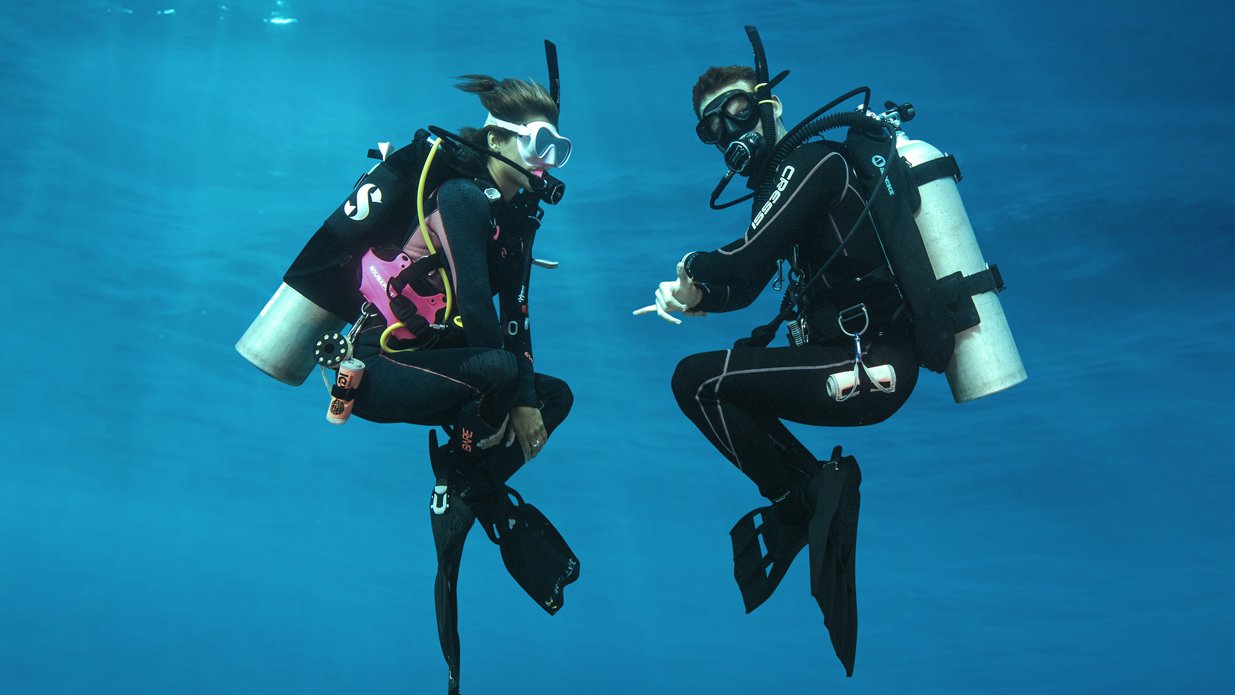
In the Open Water Diver course, you learn all the scuba diving basics: how to assemble gear, ascents and descents, etc. In the Advanced Open Water Diver course, you hone your skills and try different types of diving activities.
Both courses include open water dives with a PADI Instructor. But, apart from that, the courses are quite different.
The PADI Advanced Open Water Diver course has:
- Very little classroom/reading compared to the Open Water Diver course
- No exam
- Two required Adventure Dives: a deep dive and an underwater navigation dive
- Three Adventure Dives of your choosing
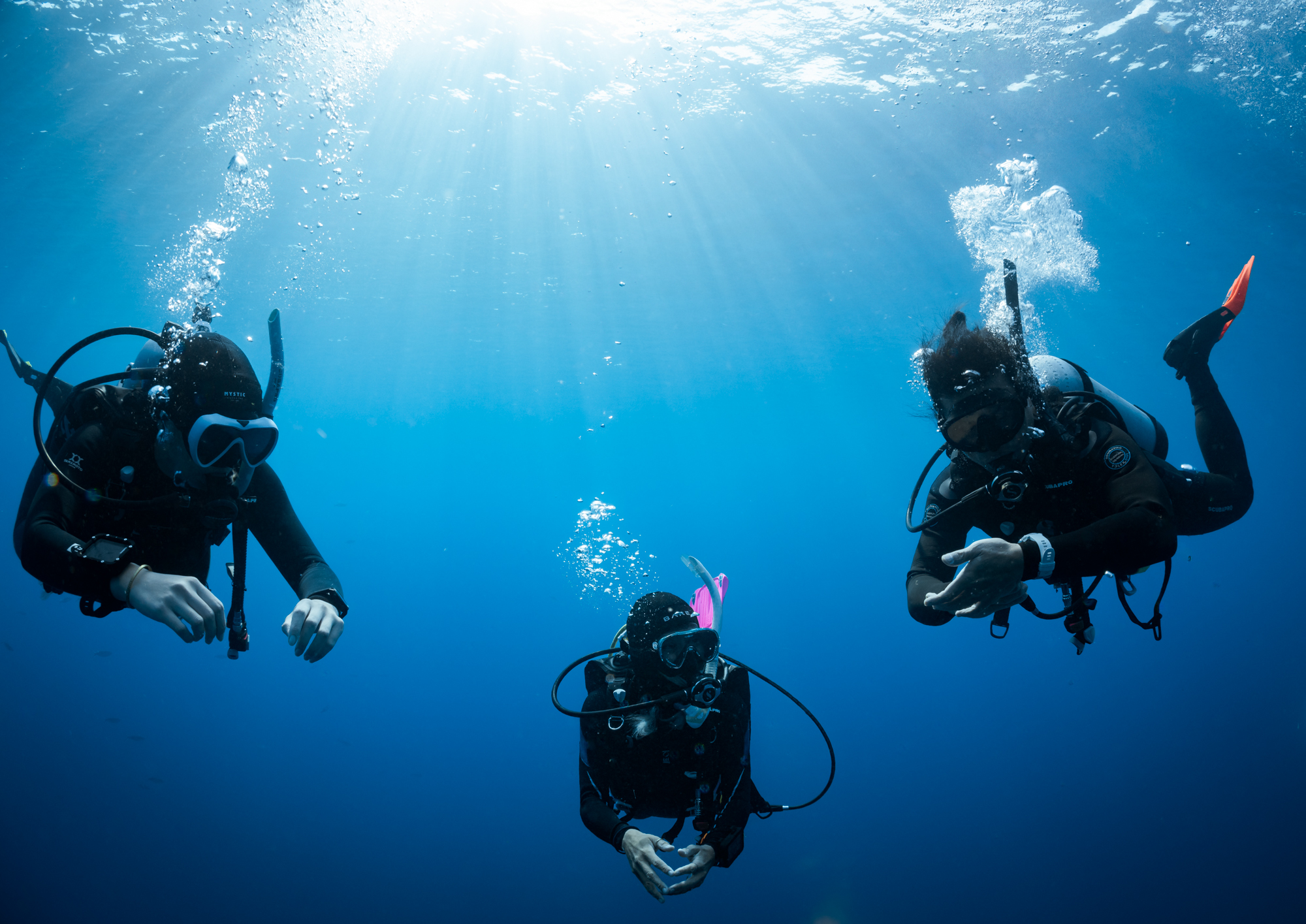
PADI Advanced Open Water Diver is like a sampler platter. It includes a deep dive and an underwater navigation dive, but the other three dives are your choice. Try underwater photography, wreck diving, night diving — whatever interests you. There are more than two dozen Adventure Dives to choose from (see list below).
Related Reading:
- What’s the Difference Between the PADI Deep Diver and Advanced Open Water Diver Courses?
- How Deep Can Open Water vs. Advanced Open Water Divers Go?
How Many Dives Do You Need for the Advanced Open Water Diver Course?
To start the PADI Advanced Open Water Diver course, you only need an Open Water Diver certification. To be clear: you don’t need any dives in addition to those you completed during your Open Water Diver course; you only need to have completed the dives that are part of your Open Water Diver certification training.
Many divers start their Advanced Open Water Diver training immediately after completing their Open Water Diver certification. (I wish I had! My first open water dive after certification was…not ideal.)
During the PADI Advanced Open Water Diver course, you’ll make five dives. These dives are referred to as “Adventure Dives.”
There are two required dives: Deep and Navigation.
- During the deep dive, an instructor will take you below the Open Water Diver depth limits (18-30 meters/60-100 feet).
- For the underwater navigation dive, you’ll practice navigation and compass skills on land first, then underwater.
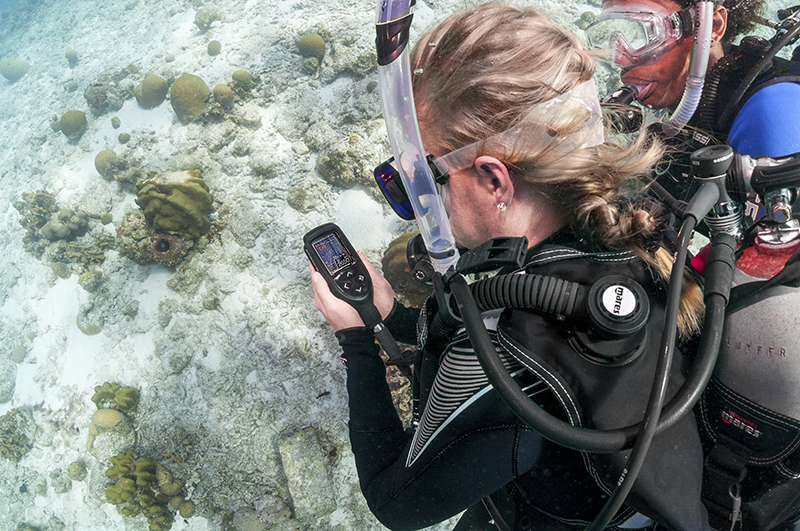
The three remaining dives are your choice. Talk to your PADI Instructor about your interests and find out what types of Adventure Dives are available.
These Adventure Dives are available almost anywhere:
- Fish Identification
- Night
- Peak Performance Buoyancy
- Digital Underwater Imaging
- Search & Recovery
- Underwater Naturalist
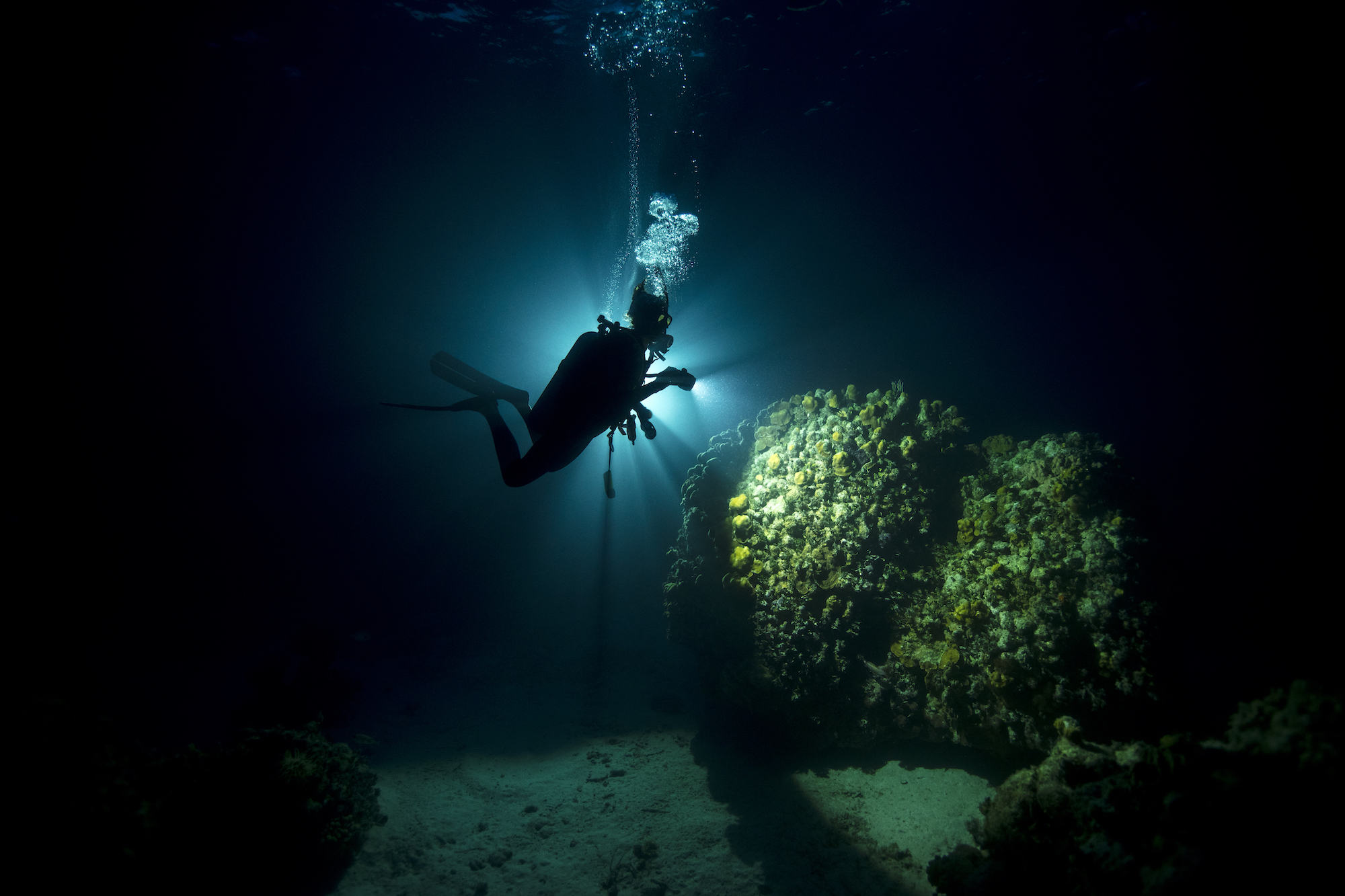
The specialty dives below may not be available in all locations. Contact your instructor or dive shop to confirm availability.
- Adaptive Support
- Altitude
- Boat
- Cavern
- Delayed Surface Marker Buoy (DSMB)
- Dive Against Debris
- Diver Propulsion Vehicle (DPV)
- Drift
- Dry Suit
- Enriched Air
- Full Face Mask
- Ice
- Rebreather
- Self-Reliant Diving
- Shark Conservation
- Sidemount
- Wreck
BONUS: Each Adventure Dive you make can be credited toward the related PADI Specialty certification. For example, if you try a dry suit dive during your PADI Advanced Open Water Diver course and like it, you’ll already have one of the two dives required for the PADI Dry Suit Diver Specialty certification.
What Skills Will You Actually Learn?
It’s easy to think of the advanced open water diver course as a box-ticking exercise, but the skills you pick up really do change how you dive.
On the deep dive, you learn to plan around no-decompression limits, keep an eye on how much faster you breathe through your air at depth, and recognize the early signs of gas narcosis so you know how to respond if it creeps in.
On the underwater navigation dive, you go beyond simply following your instructor: you learn to navigate using kick-cycles, natural landmarks, and timed swims, which means you can find your way back to the boat or the exit point without relying on anyone else.
These are the skills that turn a nervous newcomer into a diver other people are happy to buddy up with.
What Dives Should I Do in the Advanced Open Water Diver Course?
It’s always a good idea to ask your PADI Instructor what they recommend, but you also want to consider courses that interest you. Here are a few suggestions to consider:
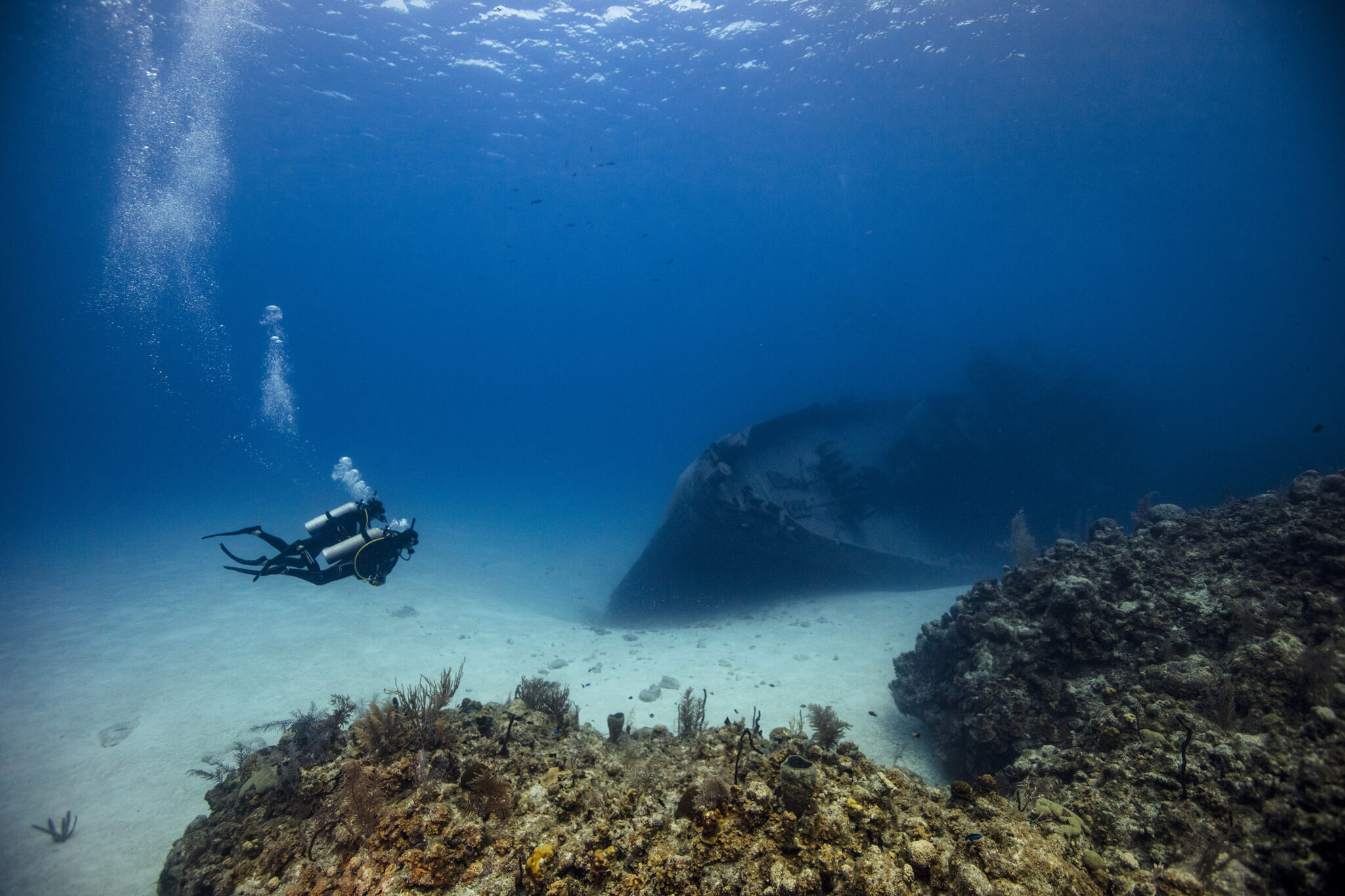
If you’re drawn to history and a bit of mystery, the Wreck Adventure Dive is hard to beat — and it sets you up nicely for the Wreck Diver specialty later on.
And if you want to extend your bottom time on those deeper dives, the Enriched Air (Nitrox) Adventure Dive is one of the most practical choices you can make, since nitrox lets you stay down longer on repetitive dives.
Both count toward their related specialty certifications, so you’re banking progress while you explore.
Another one worth considering: most people aren’t naturally good at buoyancy, and there are a lot of benefits to getting this skill dialed in. That’s why I always recommend the Peak Performance Buoyancy Adventure Dive to my students.
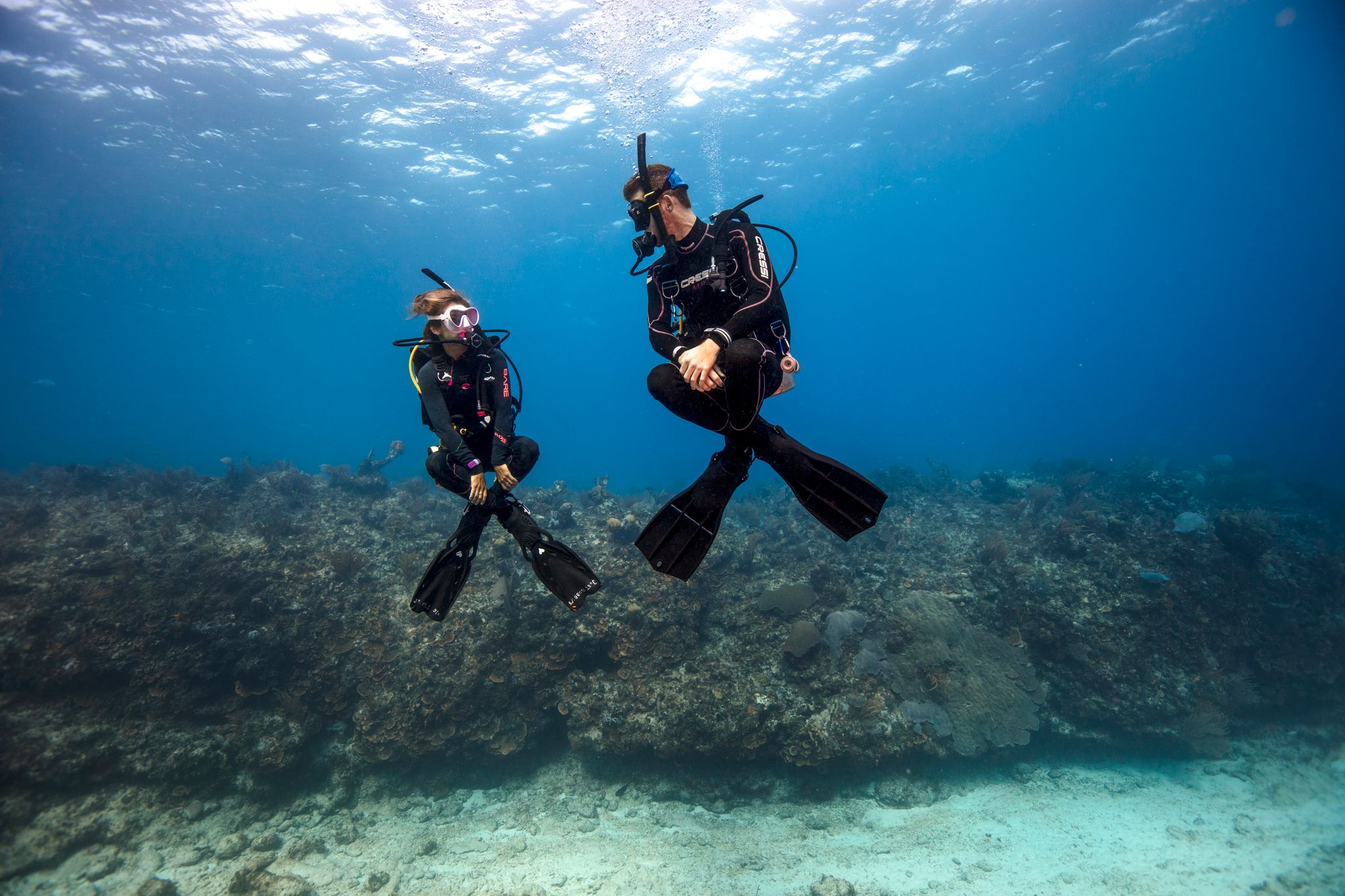
If you plan to shoot underwater photos or video, the Digital Underwater Photography Adventure Dive (which includes videography skills) can help you avoid common beginner mistakes. Your instructor can show you techniques that will drastically shorten the learning curve. Learn more about the Digital Underwater Photographer Specialty course.
Secretly freaked out by night diving? You’re not alone. Try it for the first time with a PADI Instructor by your side.
How Long Does the Whole Course Take?
The eLearning takes six to eight hours, but plenty of people spread that across a few evenings before they get wet. The in-water portion — your five Adventure Dives — is often wrapped up over a single weekend, though there’s no rule that says it has to be.
Some divers knock it out in two days; others spread their dives across a holiday or even a whole season, fitting them in around work and weather. Because every PADI Dive Center runs its schedule a little differently, the best move is to ask your local shop how they like to structure it.
How Long Does the PADI Advanced Open Water Diver eLearning Take?
It takes about six to eight hours to complete the PADI Advanced Open Water Diver eLearning.
Debating whether to use PADI eLearning®? Read about one diver’s eLearning experience.
Do You Need to Buy Your Own Gear?
Short answer: no. Most dive shops include rental gear in the course, so you don’t need to invest in a full kit before you’ve decided this is your thing.
You will use a compass on the navigation dive, and you’ll likely get hands-on with a dive computer, both of which the shop can provide.
Depending on which Adventure Dives you pick, you might also try out a dive light for night diving, a delayed surface marker buoy, or a dry suit. If you already own a mask and fins you love, bring them — diving in familiar gear is always a little more comfortable.
Other PADI Advanced Open Water Diver Requirements
MYTH: You need to be advanced or have a lot of diving experience before starting the Advanced Open Water Diver course.
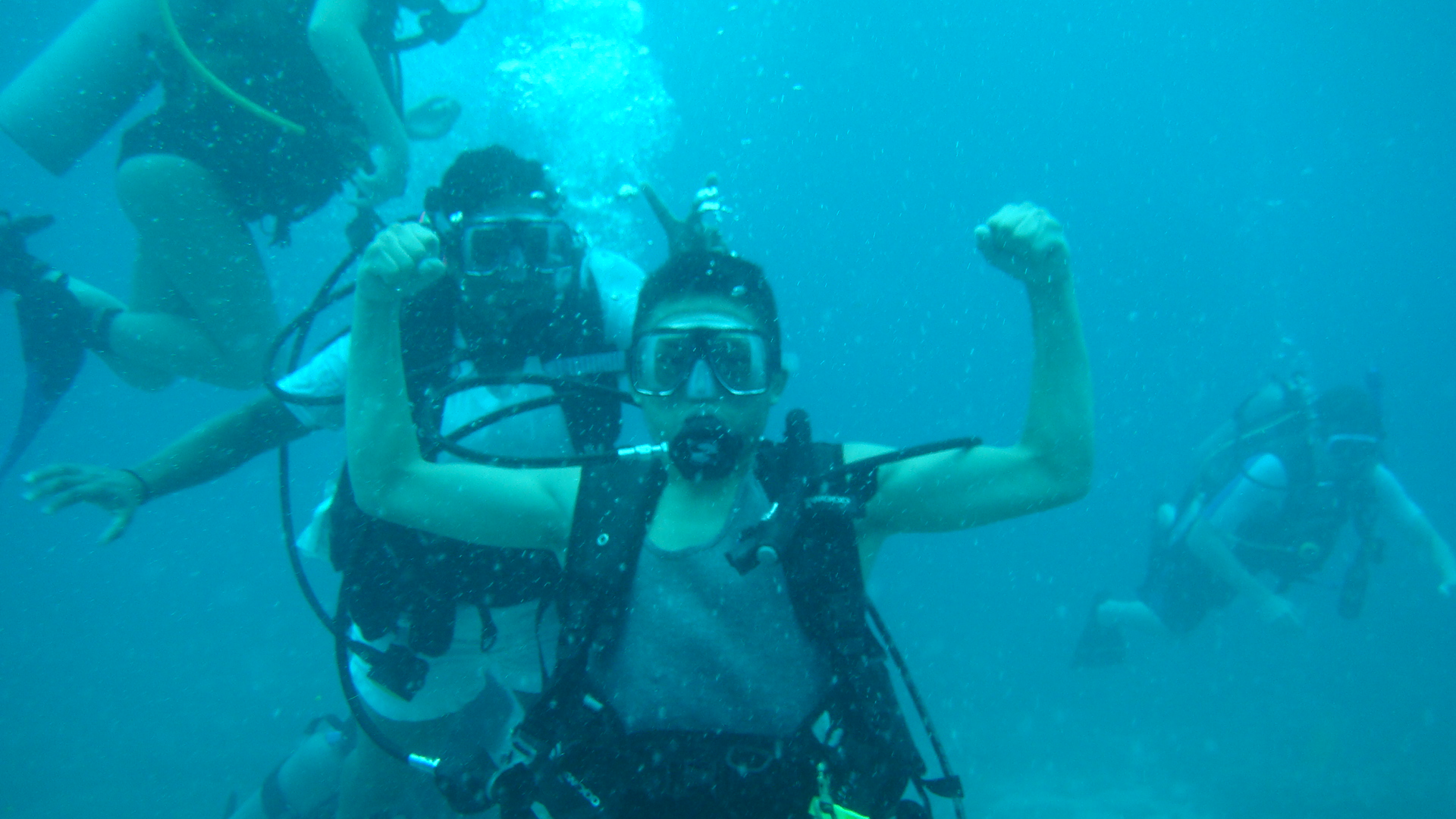
The only Advanced Open Water Diver prerequisite is that you are certified as a PADI Open Water Diver, Junior Open Water Diver, or have a qualifying, entry-level certification through another training organization. Other than that, all you need is to be fit to dive.
What’s the Minimum Age for PADI AOW?
- Certified divers at least 15 years old can earn an Advanced Open Water Diver certification
- Divers between ages 12 to 14 can earn a Junior Advanced Open Water Diver certification
- Divers 10 and 11 can earn a Junior Adventure Diver certification. Upon turning 12, they can complete the deep dive and earn a Junior Advanced Open Water Diver certification.
Is the Advanced Open Water Diver Course Worth It?
If you’d like to improve your skills, become a more confident diver and have new adventures — the PADI Advanced Open Water Diver course is totally worth it! As mentioned above, PADI AOW requires very little studying compared to the Open Water Diver course, and there’s no exam.
Plus, for every Adventure Dive you complete, you can earn credit toward a PADI Specialty certification. If you choose to make a Digital Underwater Imaging Adventure Dive as part of your Advanced Open Water Diver course, you’ll be just one dive away from earning your Digital Underwater Photographer certification.
You’ll also be qualified to dive deeper than someone with an Open Water Diver certification. This will unlock some truly mind-blowing scuba diving destinations.
How Deep Can You Go With a PADI Advanced Open Water Diver Certification?
An Advanced Open Water Diver certification qualifies you to dive to 30 meters/100 feet.
If you want to dive to the recreational limit of 40 meters/130 feet, you’ll need to enroll in the PADI Deep Diver course and make three additional dives. Learn more about the difference between Advanced Open Water Diver and Deep Diver here.
PADI Advanced Open Water Diver Price
Every PADI Dive Shop is independently owned, so the cost can vary from place to place. Class size (a group class versus semi-private) can also affect the price. Contact a dive shop near you, or in the area where you will be traveling, for pricing.
Prior to starting the course at your dive shop of choice, you can always get started at home with the Advanced Open Water Diver eLearning. This will allow you to complete the Knowledge Development section of the course before diving into the water with your PADI Instructor. Click the button below to get started now.
Celebrate With a Limited-Edition Card
There’s a nice bonus to certifying in 2026: it’s PADI’s 60th anniversary, and you can choose a limited-edition retro certification card to mark the occasion, available as both an eCard and a physical card.
It’s a small thing, but there’s something satisfying about your advanced open water certification arriving on a card that nods to six decades of diving history.
PADI Advanced Open Water eLearning Discount
PADI Club™ members receive a 20% discount on PADI Advanced Open Water Diver eLearning — and many other courses. Learn more about the PADI Club eLearning discount and other PADI Club benefits or sign up for PADI Club.