When divers get together, we tend to talk about what we saw, but there’s a big exception. After diving anywhere near humpback whales, the excitement’s about what we heard. Humpback whale songs are both beautiful and enchanting – eerie in a good way. I’ve made dives in which all my buddy and I really did was listen to them.
Scientists have long suspected that humpback whale songs, as well as the “clicks” and other sounds made by virtually all whale species, are communication. And, much as biology deciphered the dance-language of honeybees, science has been trying to decrypt whale-talk, in the hope of similarly understanding it.
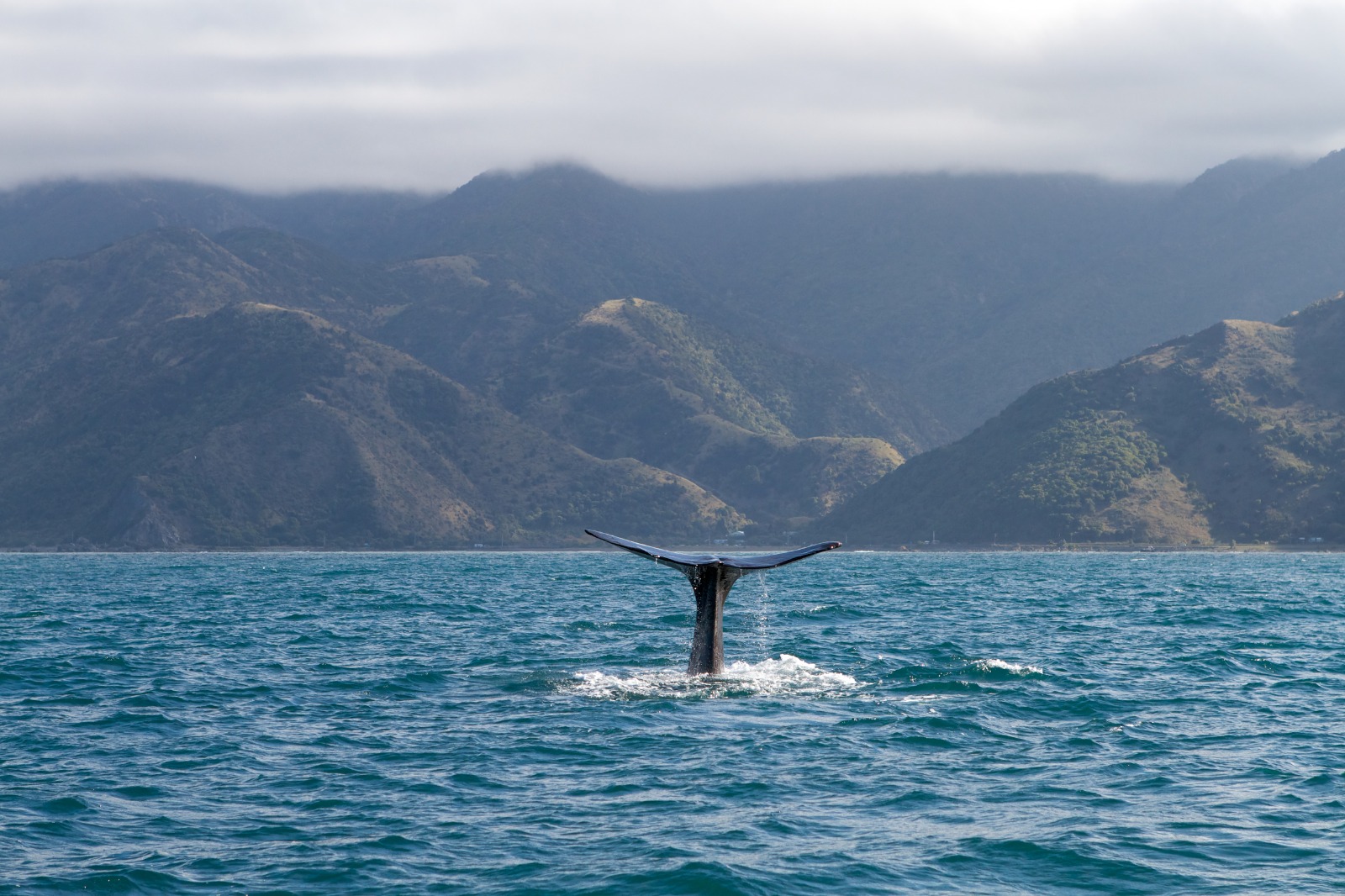
That’s where CETI (Cetacean Translation Initiative) comes in. Founded by Dr. David Gruber, City University of New York, in 2020, CETI has teamed up dozens of the world’s top experts in marine life, acoustics, linguistics and other sciences a united effort to learn whales’ languages, starting with sperm whales.
As you may have guessed, artificial intelligence and technology are helping. Developed by Harvard engineers, automated listening devices – bio-loggers – attach to whales (via suction cups) to record their sounds (including those inaudible to humans), as well as other data such as dive depths and locations, for about 16 hours. After recovery, bio-logger data points are analyzed using AI and machine learning, including WhAM (Whale Acoustics Model), which is a predictive AI that analyzes sound structure patterns and predicts likely “replies.”
While scientists have yet to sort out any specific meaning, the pieces are coming together. Research findings suggest that sperm whale vocalizations are more similar to human language than once thought, including speaking rates, which vary individually in both people and whales.
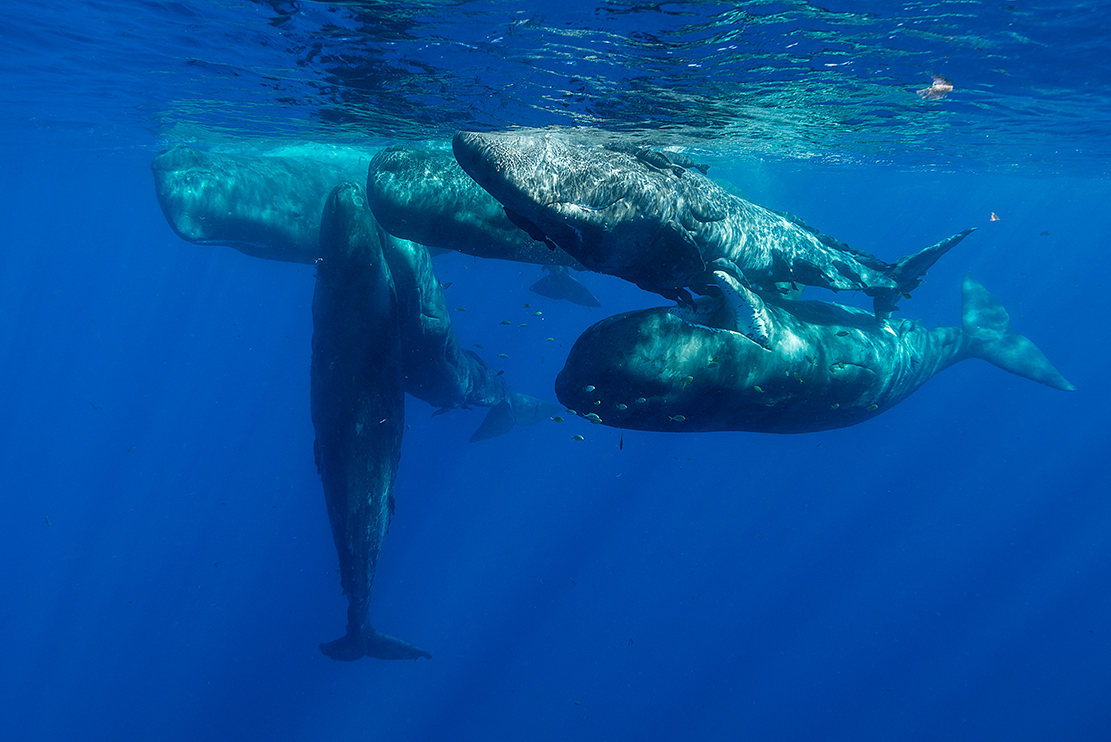
According to linguistics professor and CETI linguistics lead Dr. Gašper Beguš, sperm whales exchange vowels and diphthongs (long vowel sounds that change as said, such as the o-i in “toil”) in patterns that resemble human speech. CETI has even identified 156 specific click patterns sperm whales use. No one knows how long it will take to tie meaning to whale speech, but with continued data acquisition and technology advances, it might not be long.
If you’re interested in whale communication, check out the links above to learn more. And, as Ocean Torchbearers™, we have a role to play. As I’ve noted before, whales are still at risk, and as Ocean Torchbearers, we can help protect them by informing others and advocating on their behalf.
You can also help them by going to hear and see whales in places including Hawaii, Tonga, Salt Cay in the Turks and Caicos, and the Dominican Republic, which are all known (among other places) for humpback whale experiences, or see sperm whales off of Dominica. Tourism like this helps protect by providing an incentive to preserve whales as economic resources.
Seek adventure. Save the ocean.
Dr. Drew Richardson
PADI President & CEO
PS – See your PADI Resort or Dive Center to set up travel to whale destinations, as well as to stay connected to local PADI AWARE® events and initiatives.