You’ve seen the reef shark cruising the drop-off. You’ve hovered beside the manta at the cleaning station. Maybe you’ve even had a tiger shark make your whole trip.
Those are the sightings we remember, but they’re not the ones scientists need most.
A reef holds far more than its headline acts. There’s the wobbegong flattened against the ledge. The bamboo shark wedged into a crevice. The small stingray half-buried in the sand you finned straight over.
The PADI AWARE® Shark & Ray Discovery Challenge* is asking you to start noticing all of them, for science.
The Problem We’re Solving
Here’s a strange truth about ocean science: we know more about marine debris than we know about many sharks and rays around the world. One in three shark and ray species is threatened, and for many of them, researchers simply don’t have enough sighting data to know where they’re holding on, or where they’ve already disappeared.
That data exists. It’s just not where scientists can use it yet. It’s sitting in dive logs, camera rolls and old memory cards, scattered across millions of divers who’ve already done the hard part: showing up and looking.
The Discovery Challenge is about closing that gap, one confirmed sighting at a time.
The Challenge
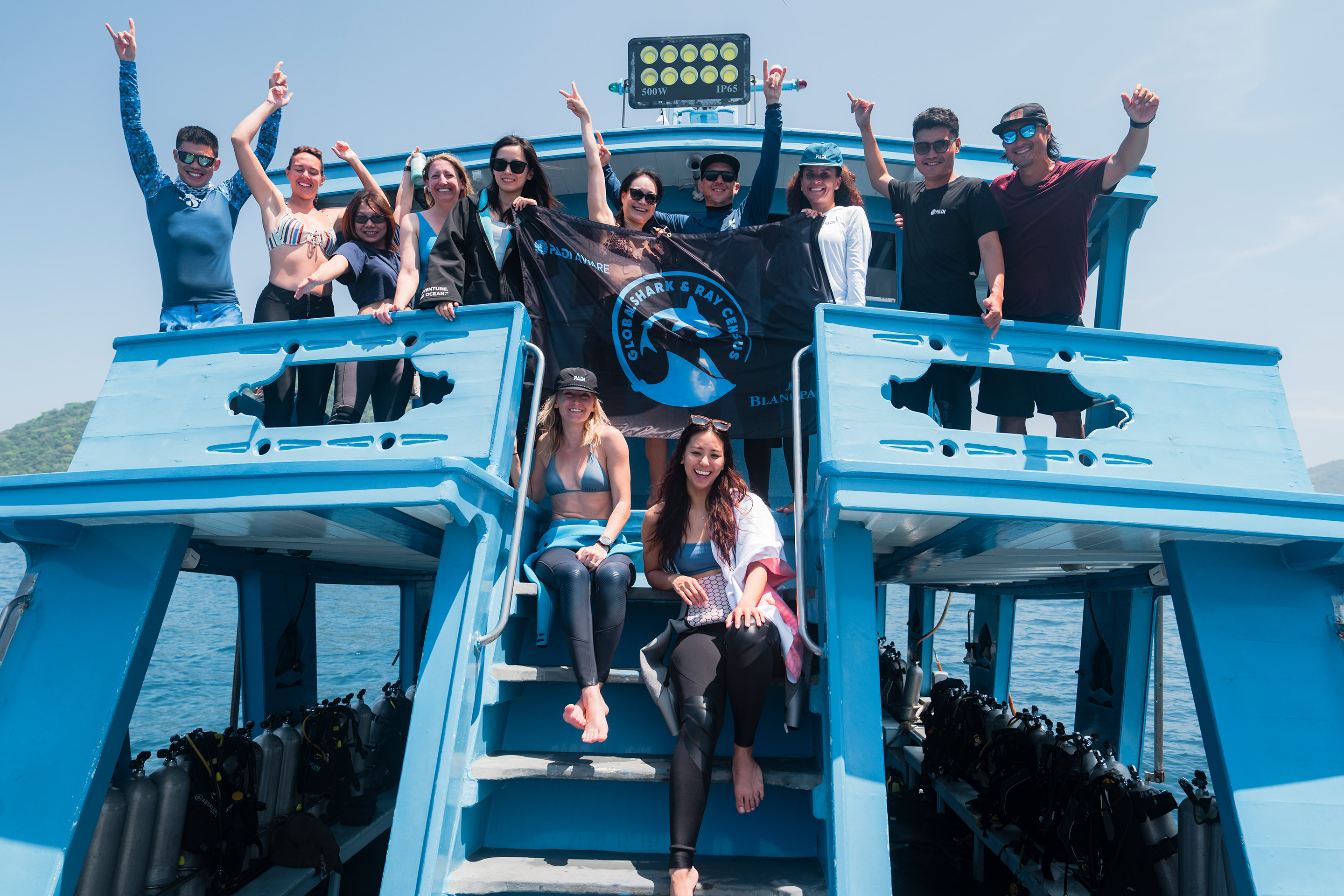
Identify 20 different shark and ray species through confirmed sightings logged in the PADI Global Shark & Ray Census. The first 200 divers to reach 20 species earn the title of PADI AWARE Global Shark & Ray Census Pioneer.
Pioneers receive:
- The official PADI AWARE Global Shark & Ray Census Pioneer title
- A limited-edition physical PADI card, linked to a certification you already hold
- A spot on the public Challenge leaderboard
- Spotlight features across PADI or PADI AWARE social channels
The Pioneer card isn’t a new certification. It’s a limited-edition recognition card celebrating your contribution to one of the world’s largest diver-led shark and ray citizen science initiatives.
Why 20 Species?
Because you can’t get to 20 on the famous ones alone.
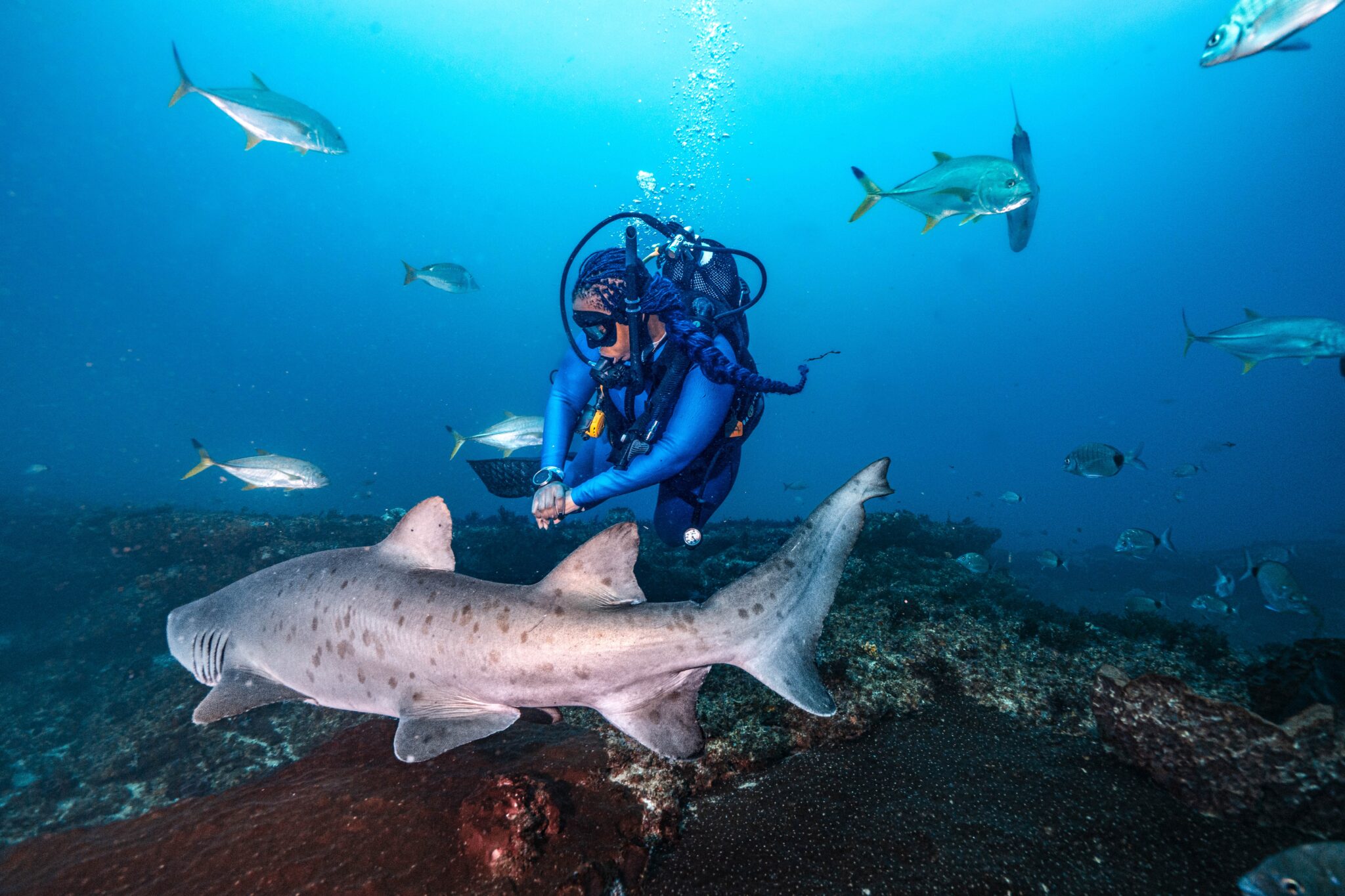
Most of us can rattle off the most popular sharks and rays without thinking twice. But once you’ve logged the easy ones, you’re forced to slow down and look at the ledges, the sand, the shadows under the coral.
That shift matters. The charismatic species already get the cameras and the research funding. It’s the cryptic, the bottom-dwelling, the easily missed species that science knows the least about, and that’s exactly where your sightings carry the most weight.
Chase 20 species, and you’ll never look at a reef the same way again. You stop diving to collect highlights. You start diving like a naturalist, seeing the species that have always been there but too often go unnoticed.
How It Works
1. Dive into your logbook, or the water. Past sightings count. Old footage counts. It doesn’t matter what country, dive site or trip it came from.
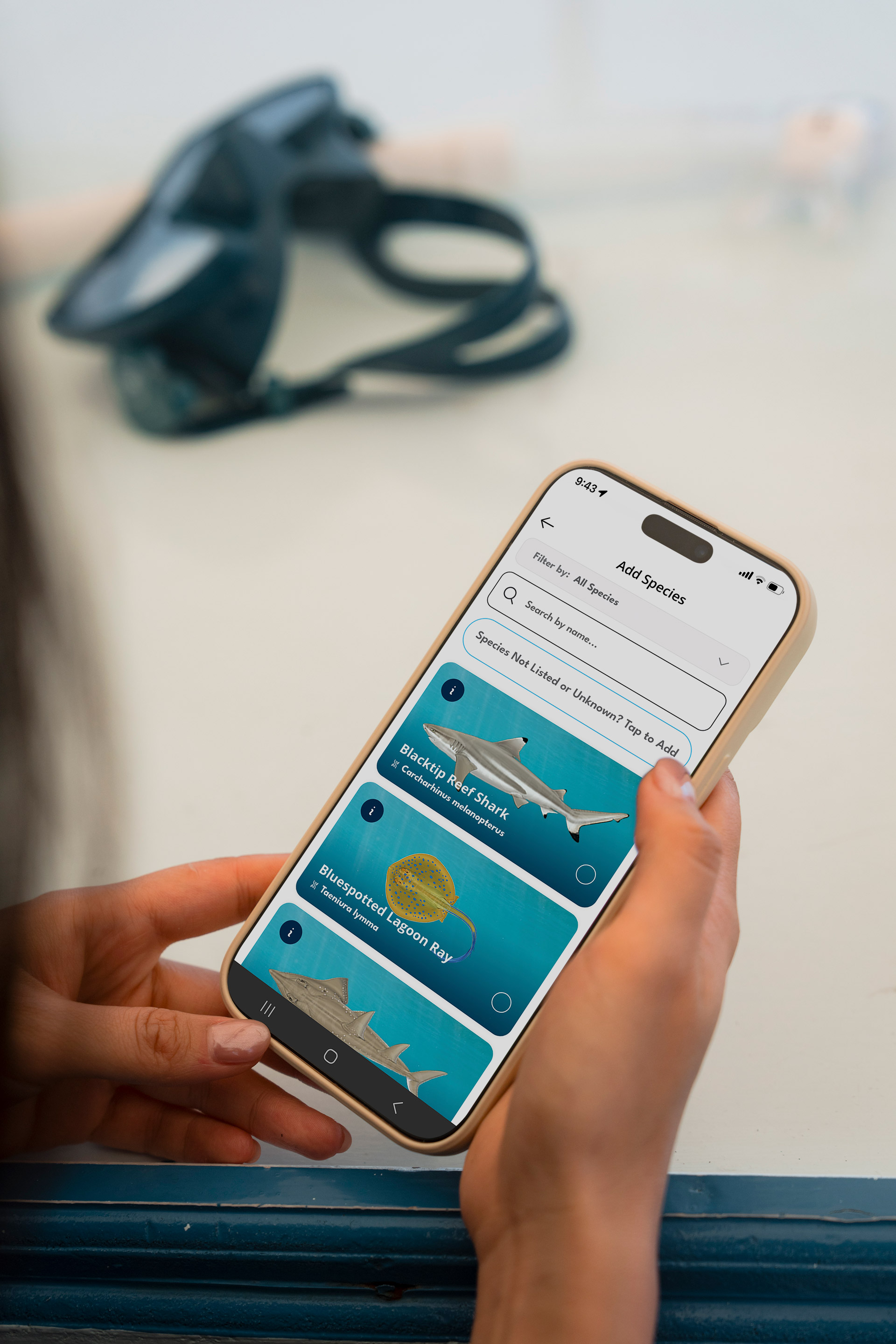
2. Submit through the Conservation Action Portal. Submit your photo and the data of the sighting, and try to identify each animal to species level (if you can’t, don’t worry, that’s what James Cook University are here for!)
3. Scientists review every sighting. Every submission goes through verification by the James Cook University research team. That review process takes time, and that’s exactly what makes it science rather than guesswork.
4. Track your progress. Confirmed species count toward your 20. Spot multiple species on a single dive, and they all count.
5. Reach 20 confirmed species. The first 200 divers to hit that mark become Pioneers.
Your Sightings Have a Destination
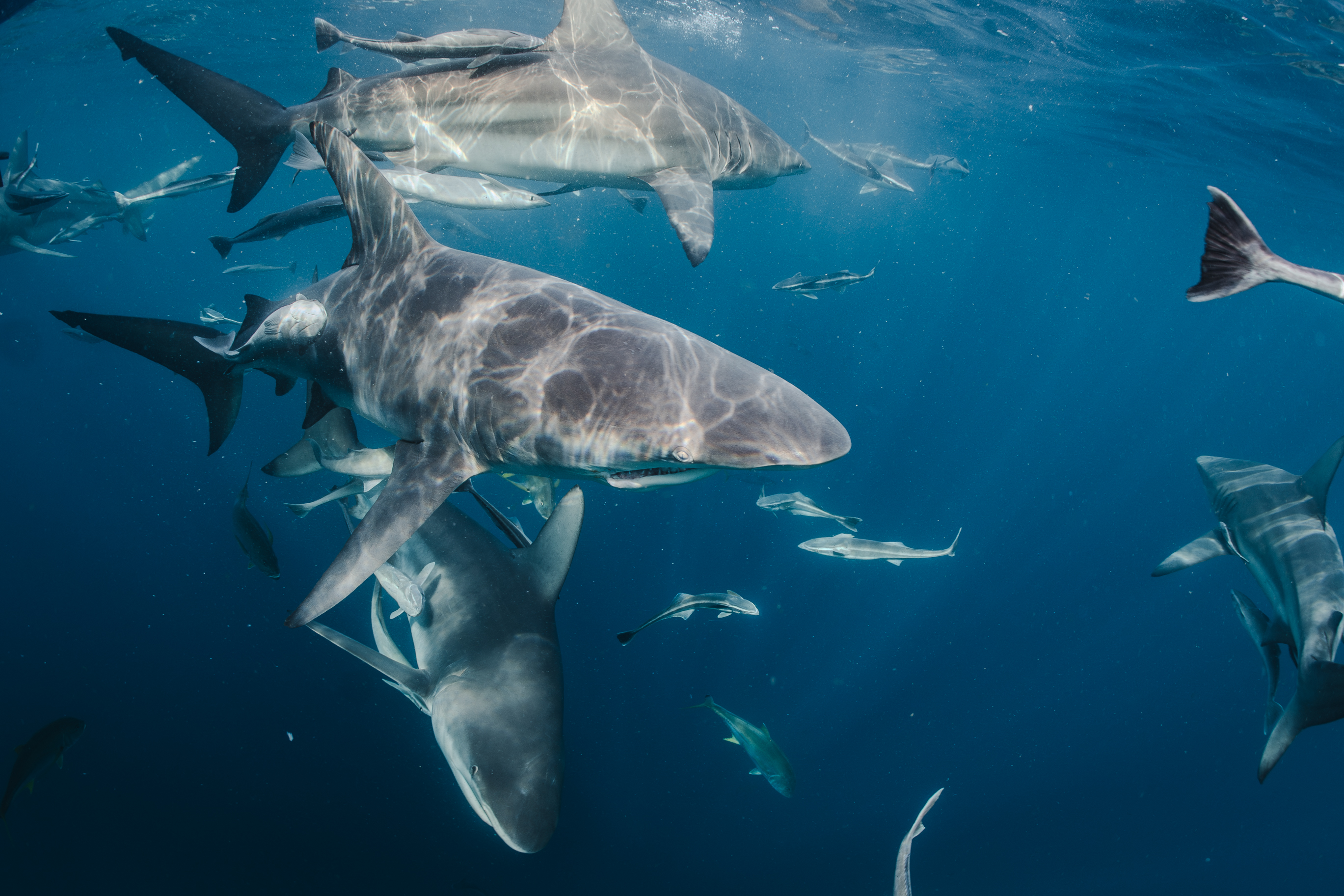
Every confirmed sighting feeds into a global occurrence dataset built in partnership with the JCU Fisheries Lab. That data helps scientists map where sharks and rays are showing up, where they’ve gone quiet and where conservation attention is needed most urgently. Some submissions may end up cited in published research.
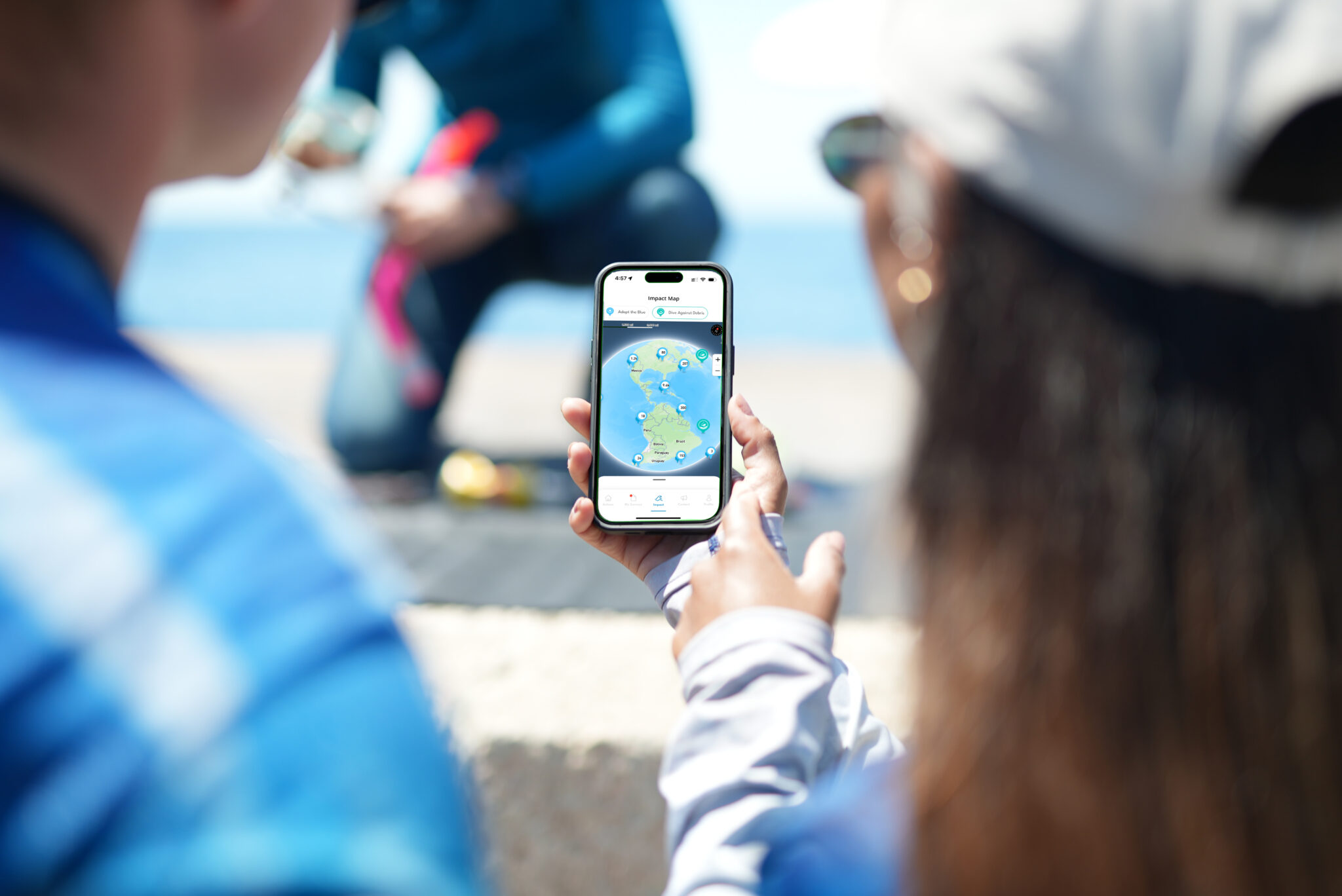
This is the same diver-powered model that logged 2.56 million pieces of ocean debris through Dive Against Debris and put diver-collected data on the policy table. Now that same model is pointed at sharks and rays.
The Science: Built With James Cook University
The PADI Global Shark & Ray Census is built with the Centre for Sustainable Tropical Fisheries and Aquaculture at James Cook University, led by Dr. Andrew Chin, one of the world’s leading shark and ray scientists. JCU sets the scientific standard, reviews every single submission and determines what counts.
The Census tracks two things: where shark and ray species are being seen, and where they’re not. Both matter equally. A confirmed sighting documents a species at a specific place and time. A gap in the map tells scientists exactly where to look next.
That’s why species-level identification sits at the heart of the Challenge. “A shark” is an anecdote. A tiger shark, logged at a named reef on a specific date, is data, the kind that drives range extensions, documents new locations, maps aggregation sites and flags conservation red flags like boat strikes or fishing gear inside protected areas.
Your dive log becomes part of that record.
Built for Science. Powered by Partnership.
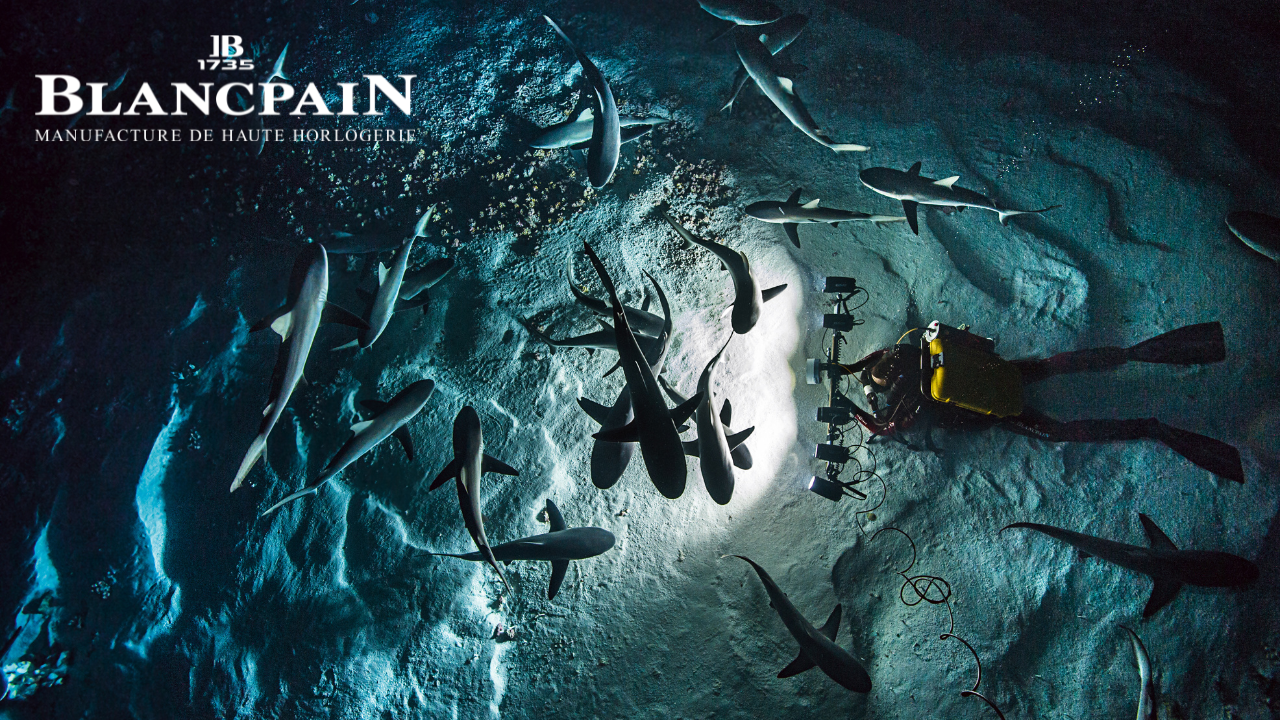
The PADI Global Shark & Ray Census combines the reach of the world’s largest diving community with the scientific expertise of James Cook University. As Founding Partner, Blancpain helped make the Census possible through its longstanding commitment to ocean exploration and conservation. Blancpain Ocean Commitment has spent years supporting ocean exploration and marine conservation around the world. The Census is its next chapter, and every sighting you log builds on that foundation.
Together, the partnership turns everyday dives into standardized data that scientists can use to better understand and protect sharks and rays around the world.
The next breakthrough in shark and ray conservation won’t come from a laboratory alone. It will come from divers paying closer attention. You already have what the Census needs. It’s in your logbook, on your camera roll and waiting on your next dive.
Now it’s time to turn those sightings into science. Become one of the first 200 divers to help build what could become the world’s most comprehensive diver-led record of shark and ray biodiversity.
*PADI AWARE Shark & Ray Discovery Challenge Terms & Conditions