The sheer scale of the human footprint leads people to assume that we have explored every corner of our planet and found every species. In reality, the vast majority of our deep-sea habitats are still largely unexplored, and scientists estimate that up to two million marine species remain undiscovered. It’s exciting to think that we have only found and described a fraction of ocean life!
The days of discovering large, charismatic marine mammals are sadly largely behind us. Today, finding a new whale or dolphin species typically only happens when genetic analyses split an existing population into a new species or subspecies. Therefore, modern marine exploration focuses heavily on the ocean’s hidden, yet vast ‘micro-universe.’ Discoveries usually involve tiny, obscure organisms, like micro-crustaceans, small mollusks and tiny marine worms measuring just a few millimeters in size. According to the Ocean Census, scientists have previously described up to 1,121 new marine species in a single year!
The Science of Naming New Species
When luck strikes (after a lot of hard work and perseverance), scientists follow the basic rules of binomial nomenclature (taxonomy) when describing and naming a new species. Under these rules, every species receives a two-part scientific name: a capitalized, italicized genus name (which it shares with other closely related species), followed by a lower-case, italicized species name. Humans, for example, are named Homo sapiens, bottlenose dolphins are named Tursiops truncates and green sea turtles are named Chelonia mydas!
The discoverer retains the right to name the newly described species, yet scientific etiquette considers naming a new species after yourself terrible form. Scientists usually use species names with Greek or Latin roots and base the name on the physical features of the organism. For example, the longspine snipefish is named Macroramphosus scolopax. It breaks down to:
- Makros (Greek) = long
- Rhamphos (Greek) = beak
- Skolopax (Greek) = woodcock (a bird with a famously long bill)
A scientific name that tells a story all on its own!
On very rare and special occasions, scientists name new species after famous people to honor science, nature or someone’s legacy. This also includes musicians, actors and public figures who have contributed to our culture and who have shaped our world. From iconic rock bands and Hollywood actors to legendary conservationists, these scientific nods turn taxonomy into something a little more fun.
So, here’s how scientists have paid tribute to famous public figures, both past and present, through clever names for fascinating, newly discovered marine species!
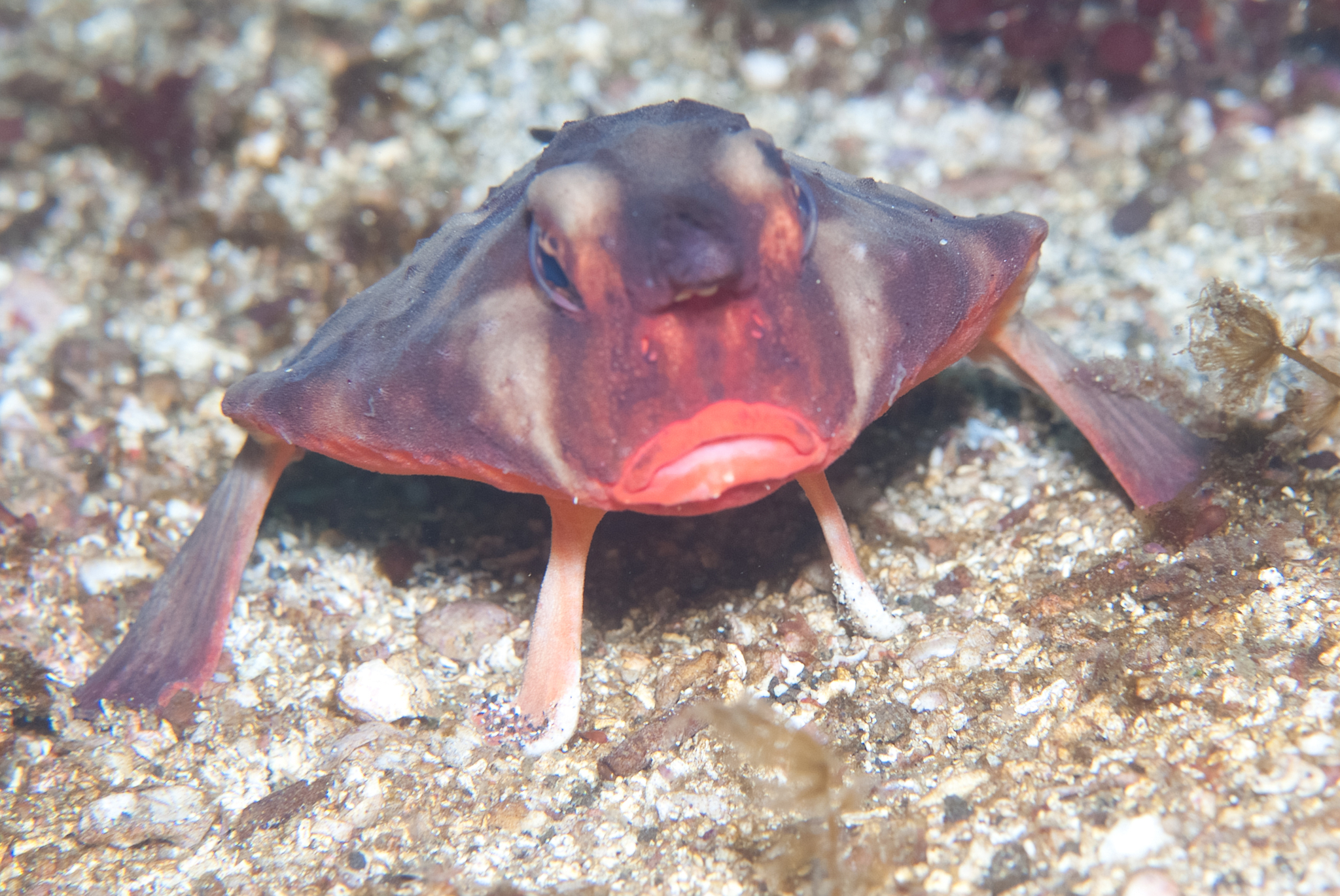
1. Charles Darwin and Ogcocephalus darwini
Ogcocephalus darwini is a bottom-dwelling marine fish famous for its bright red lips and funny walking style. It inhabits the sandy slopes of the Galápagos Islands. Researchers named it after the legendary naturalist Charles Darwin, whose groundbreaking work on evolutionary theory completely transformed our understanding of life on Earth. Scientists have honored his immense contribution to science by naming countless species after him, including this very unique, slightly awkward-looking marine fish.
2. ‘‘Vozinha’’ Josimar José Évora Dias and Aldisa vozinhai
Aldisa vozinhai is a newly discovered, bright red sea slug measuring just four millimeters in size. If you followed the 2026 World Cup, you witnessed Cape Verde’s veteran goalkeeper ‘‘Vozinha’s’’ heroic tournament saves that captured the heart of the football world. To honor the football star’s standout performance against Spain, Spanish marine biologist Prof. Jesús Ortea named Aldisa vozinhai after him!
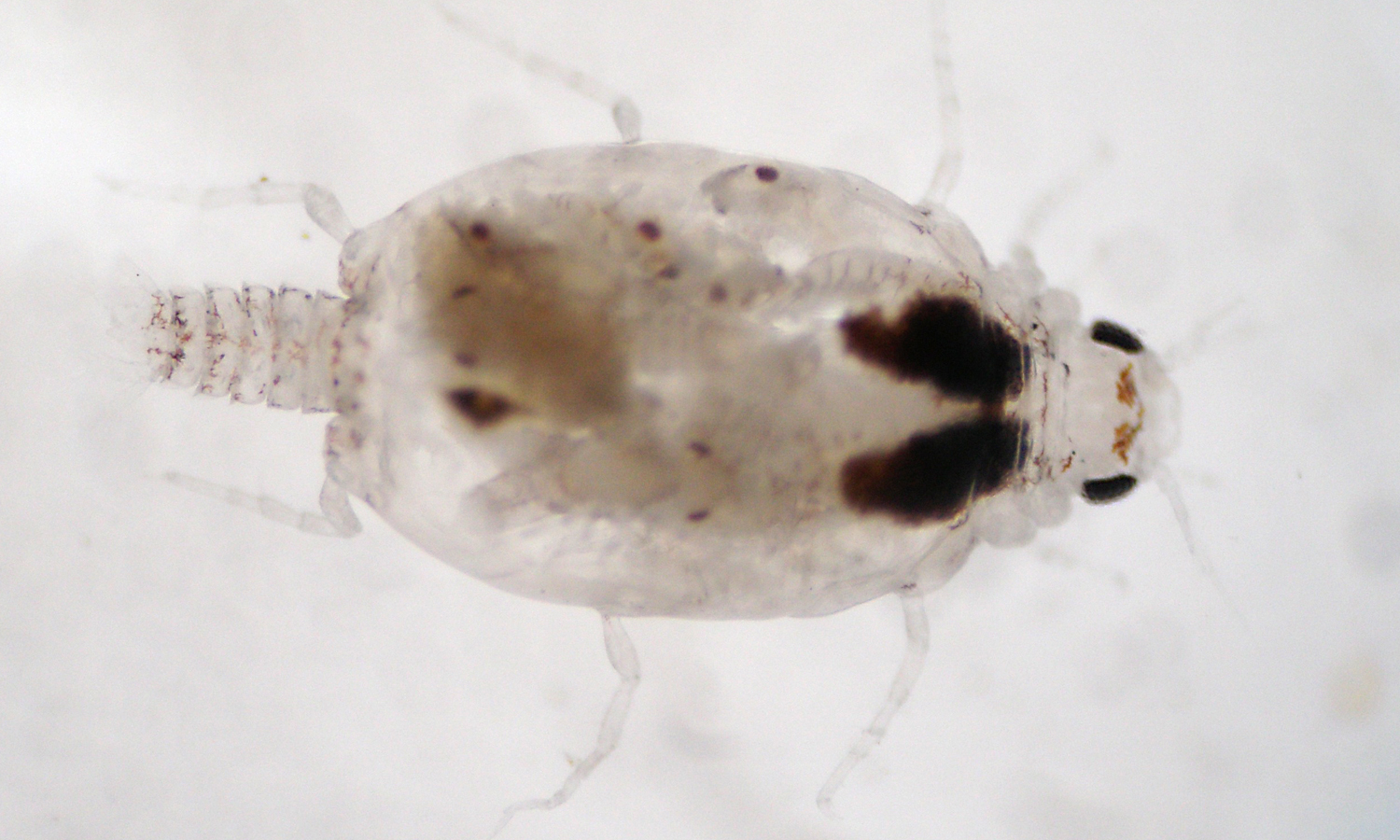
3. Bob Marley and Gnathia marleyi
Gnathia marleyi is a tiny, blood-sucking marine parasite. Have you ever been to a cleaning station in the Caribbean? Chances are you’ve seen a cleaner fish remove one of these pesky parasites from a reef fish. Researchers named Gnathia marleyi after the reggae legend Bob Marley. Prof. Paul Sikkel, the discoverer, admired Bob Marley’s music and described the creature as ‘uniquely Caribbean’ (as in, native to the Caribbean).
4. Michael Jackson and Mesoparapylocheles michaeljacksoni
Mesoparapylocheles michaeljacksoni is an extinct hermit crab discovered in fossil deposits in Spain. It lived inside the fossilized shells of ancient marine snails. Scientists named Mesoparapylocheles michaeljacksoni after legendary pop icon Michael Jackson. The paleontologists who discovered the species chose the name because they listened to Michael Jackson’s music during the excavation, and the crab’s distinctive claw asymmetry reminded them of his iconic stage presence and dance moves.
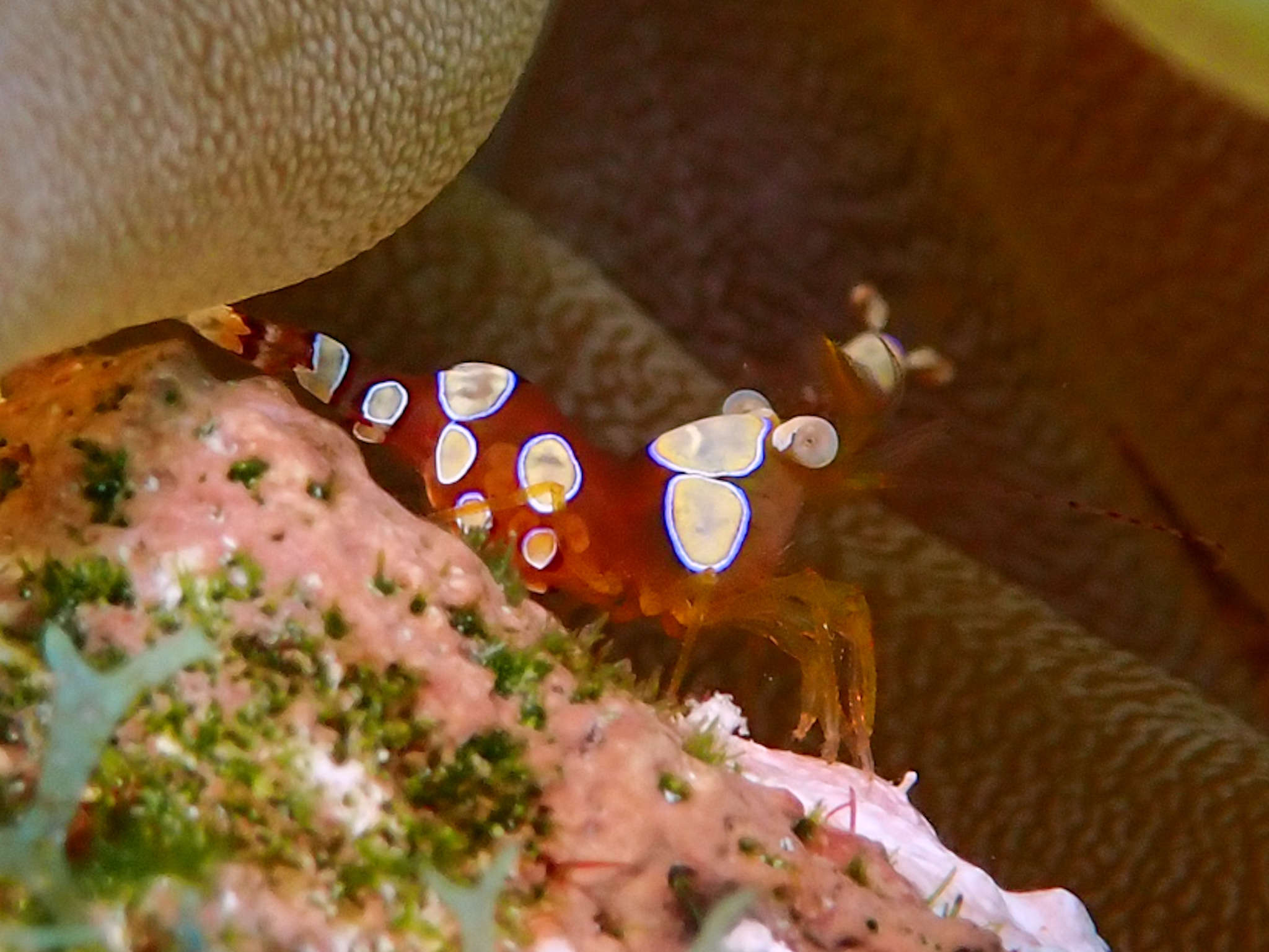
5. Leonardo DiCaprio and Thor dicaprio
Thor dicaprio is a small marine shrimp that lives in the shallow, tropical waters of the western Atlantic, including the Caribbean. It is a symbiotic crustacean that spends its time alongside sea anemones and corals, feeding on planktonic particles, organic detritus and mucus while scavenging on the reef. Thor dicaprio was named after the actor, film producer and environmentalist Leonardo DiCaprio. The researchers who discovered this species honored DiCaprio’s commitment in protecting biodiversity, preserving fragile habitats and, most importantly, bringing global attention to the negative impacts of climate change.

6. Sir Elton John and Leucothoe eltoni
Leucothoe eltoni is a tiny amphipod crustacean native to the coral reefs of Indonesia and the Philippines. It lives inside the body cavities of sea squirts and sponges for protection against predators. Leucothoe eltoni was named after British singer Sir Elton John. The marine biologist who discovered it often listened to the pop icon’s music throughout his scientific career, with the crustacean’s enlarged appendage reminding him of the legendary oversized footwear worn by the artist.
7. Pink Floyd and Synalpheus pinkfloydi
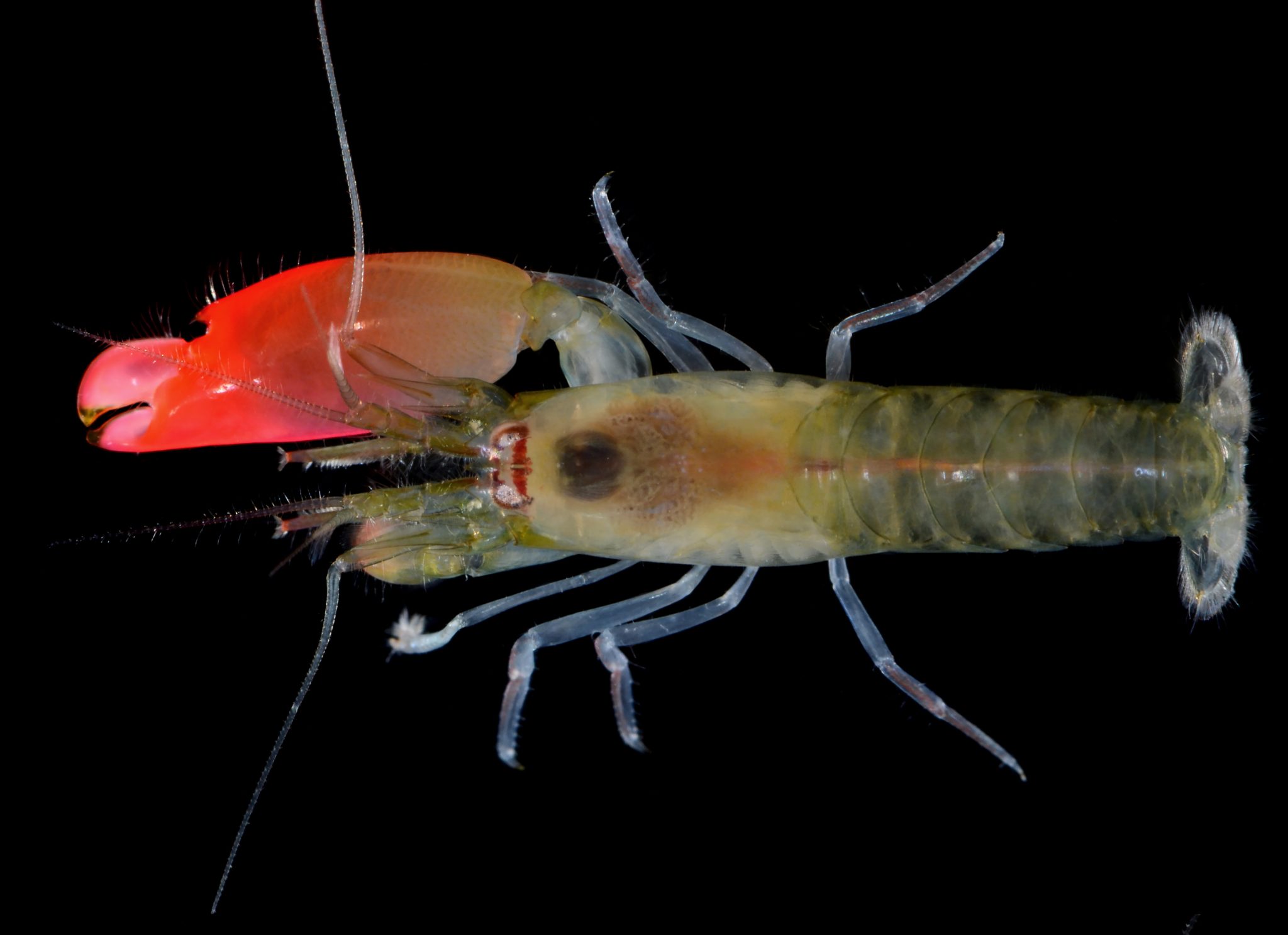
Synalpheus pinkfloydi is a snapping shrimp that lives on the reefs of the eastern Pacific. It can be found in crevices among coral rubble and inside dead corals. Synalpheus pinkfloydi was named after the legendary rock band Pink Floyd. The scientists who discovered it chose the name to honor their favorite rock band, Pink Floyd. Notably, the shrimp’s bright pink-red snapping claw, which it uses to stun prey, creates a sound louder than a rock concert! Remarkably, the image above also resembles the album cover of The Dark Side of the Moon.
8. Nelson Mandela and Mandelia mirocornata
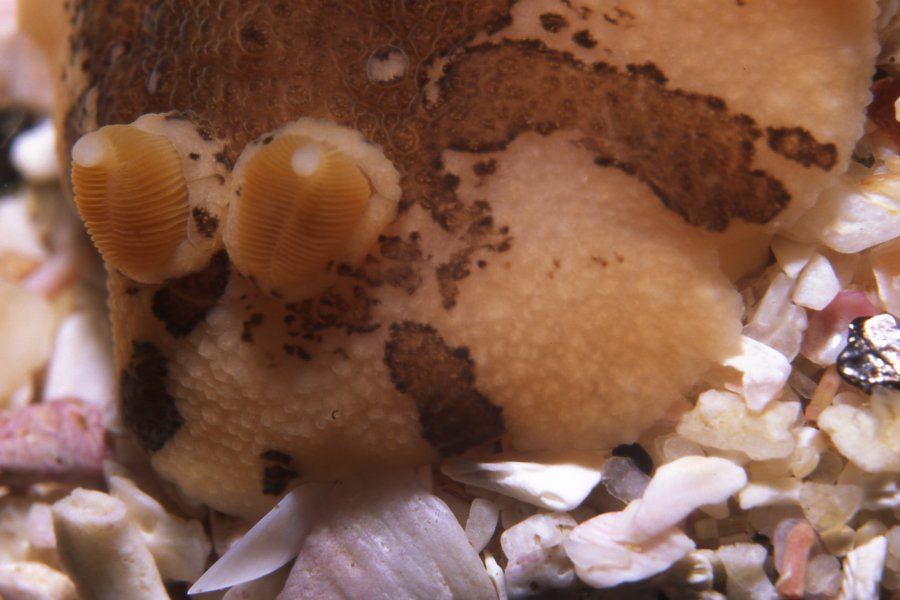
Mandelia mirocornata is a sea slug native to the temperate rocky shores of South Africa. Mandelia mirocornata was named after the iconic former South African president, Nelson Mandela. The discoverers honored his historic leadership, his enduring fight for justice and equality and his deep connection to South Africa by creating an entirely new genus Mandelia for this unique marine mollusk!
9. Dr. Jane Goodall and Gibberula goodallae
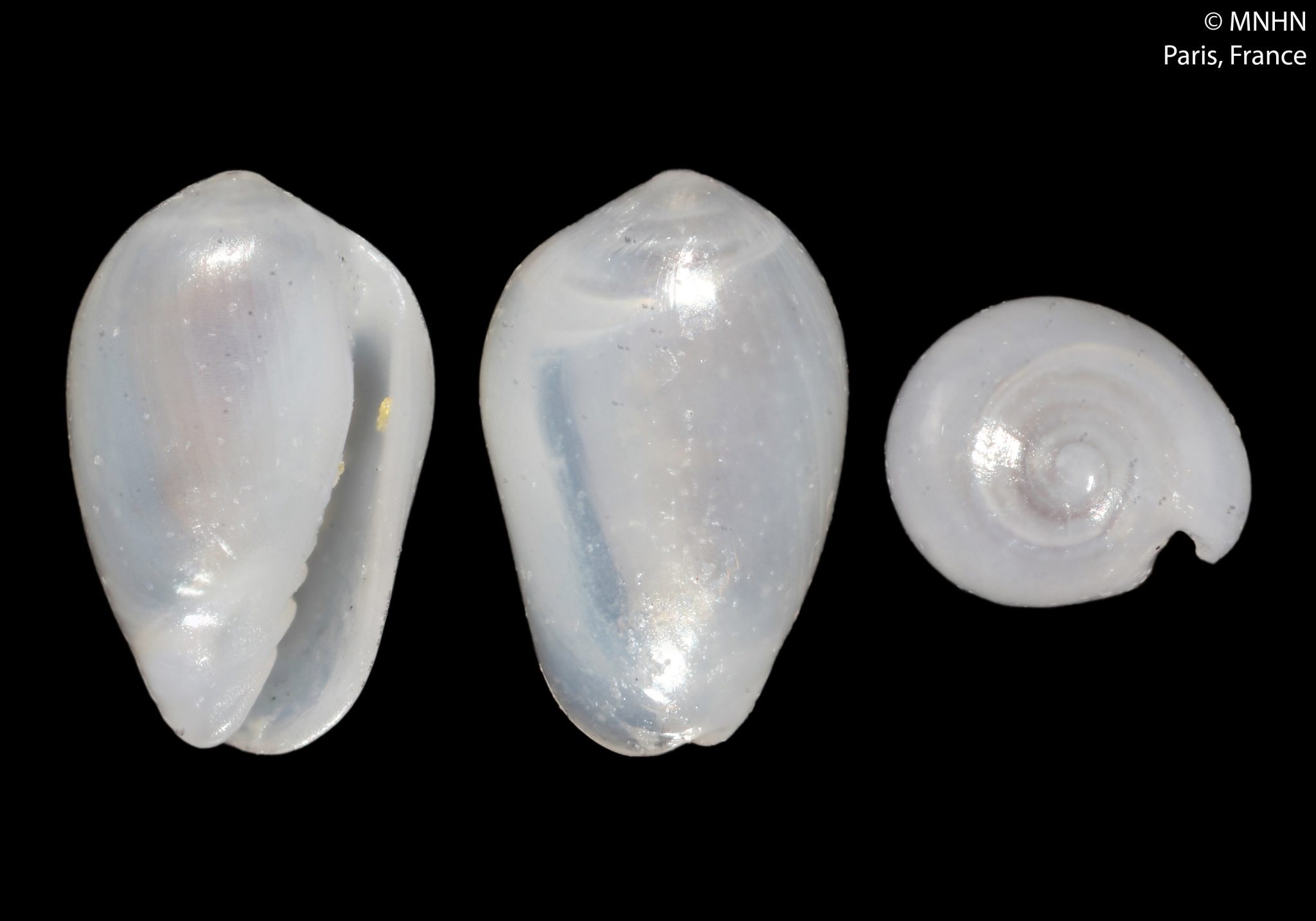
Gibberula goodallae is a beautiful, microscopic marine sea snail measuring just two millimeters in length. This tiny gastropod can be found hiding in the substrate off the coast of Guadeloupe in the Caribbean. Gibberula goodallae was named after the legendary British primatologist Dr. Jane Goodall. Her revolutionary field research on wild chimpanzees and lifelong dedication to wildlife protection transformed our understanding of both human intelligence and the animal kingdom and contributed greatly to the global conservation movement.
Ready To Make Your Own Discovery?
While these obscure and funny-looking micro creatures may not be on the top of your must-see-on-my-next-dive list, learning to identify marine species can be both fun and rewarding. Ready to spot your own underwater discoveries? Take the plunge and join a PADI Fish Identification Specialty course! Learn the skills needed to identify the incredible biodiversity right at the tips of your fins and in front of your mask.