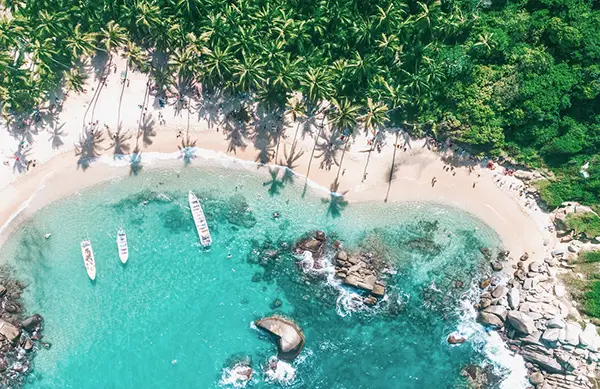
Divers are on the constant lookout for new dive destinations. If you are in or around the Indian subcontinent, here is a guide to the lesser-known dive sites in India. If you are new to scuba diving in India, you may also want to check out our article on the Top Dive Sites in India Not to Be Missed.
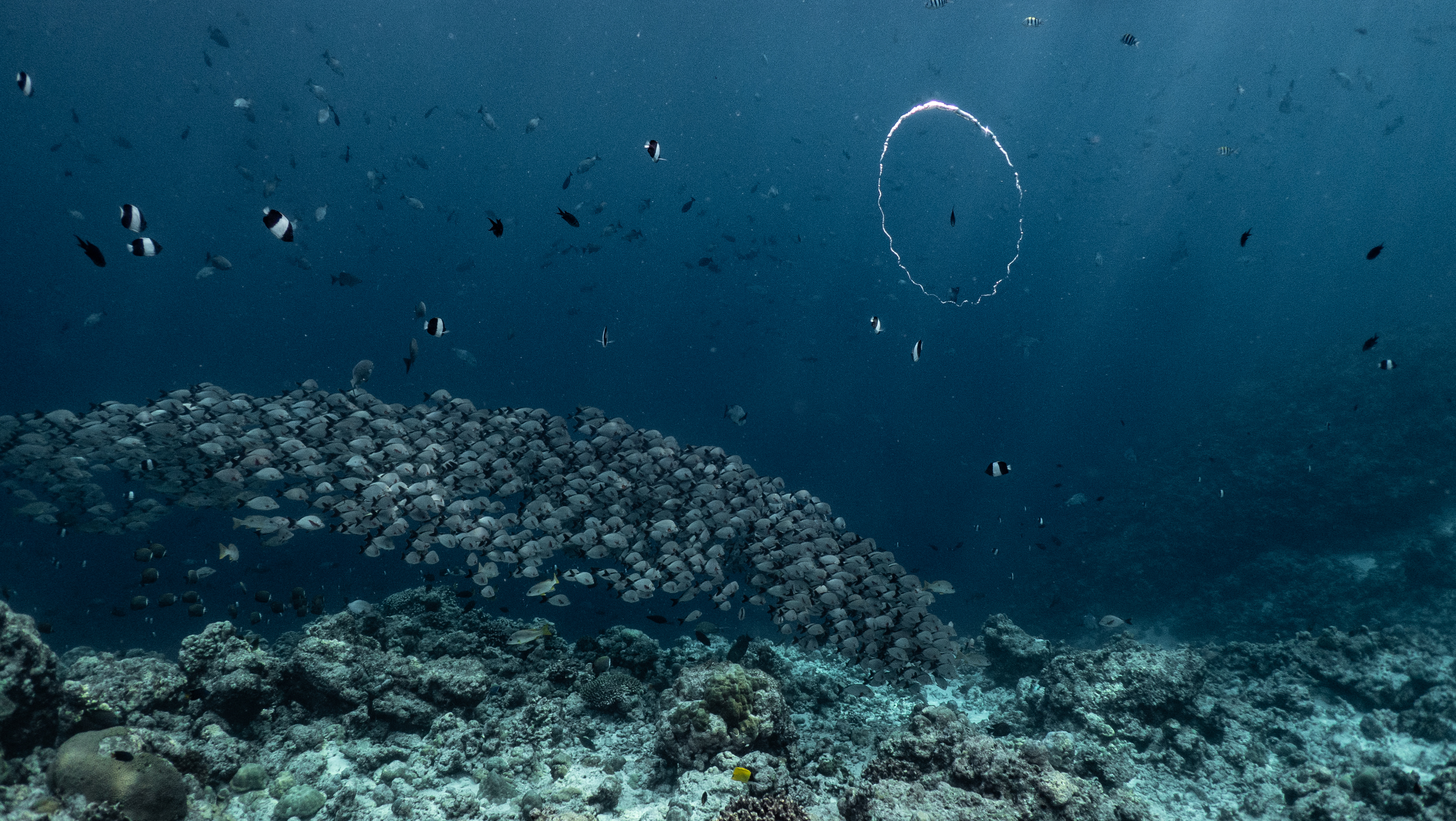
Kavaratti, Lakshadweep
Kavaratti is ideal for those who seek untouched, off-beat dive experiences. The white sandy beaches and pristine lagoons are enough to attract divers and non-divers alike to the shores of Lakshadweep’s capital. The visibility at the dive sites ranges from 20 to 30 meters (65 to 100 feet), and the water temperature remains a pleasant 28 to 30°C (82 to 86°F).
Thalavad
Depth: 16-40 meters (50-130 feet)
A gradual slope teeming with Indian Ocean reef fish, including whitetip reef sharks, stingrays, eagle rays, barracudas, red snappers, batfish, trevallies and nurse sharks among colorful soft and hard corals.
Wall of Wonder
Depth: Drop-off from 8 meters (26 feet)
A vertical wall peppered with vibrant soft corals and lined with caves sheltering elusive marine life, including the occasional shark. This site is ideal for both PADI Open Water Divers and Advanced Open Water Divers.
Neil Island (a.k.a. Shaheed Dweep), Andaman
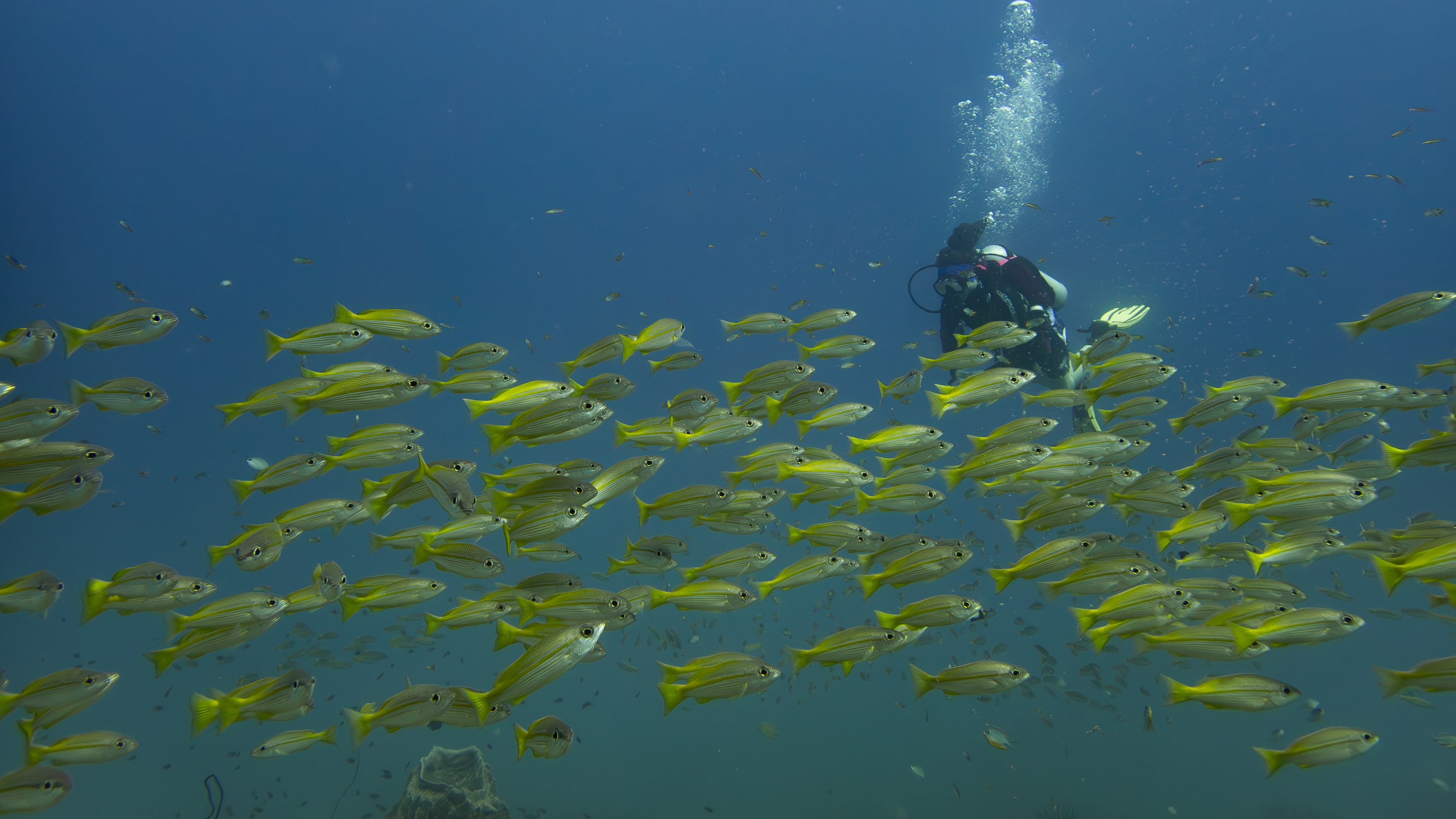
While Havelock (now Swaraj Dweep) boasts world-class diving that makes the long journey to this remote island archipelago worth every penny, equally rewarding is Neil Island. The marine life and water conditions are quite similar to that of Havelock. The shallower dive sites in Neil are a fish paradise, and the grassy seabed sometimes attracts endangered dugongs.
Busy Burro (a.k.a. Busy B)
Depth: 15-21 meters (50-70 feet)
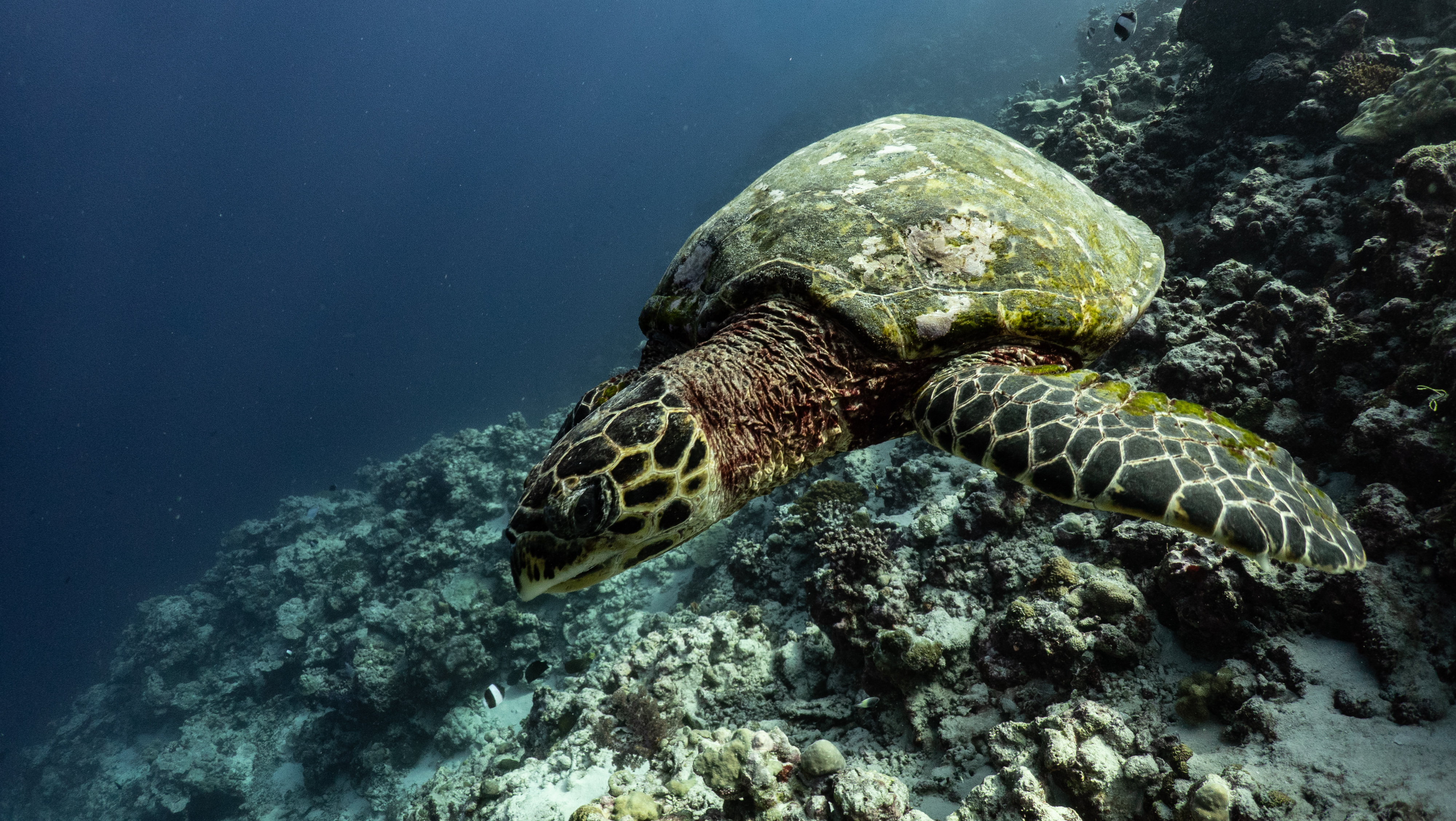
Here surgeonfish follow divers around to play with their bubbles, cuttlefish and octopus put on color-changing displays, stingrays dart around, turtles cruise by unsuspecting divers and lobsters peek out from crevices. This is a great dive site for all levels of divers.
Junction
Depth: 28-34 meters (90-110 feet)
Located in the channel between Havelock and Neil islands, this site has moderate to strong currents and is best for experienced PADI Advanced Open Water Divers or above. The top of the ledge is often home to many stingrays, while the sides are adorned with massive gorgonian fan corals hiding lionfish in large numbers. Fun fact: lionfish are native to the Indian Ocean habitats and are not invasive here!
Another hidden gem in the Andamans is Chidiyatapu. Covering Havelock, Neil and Chidiyatapu makes for an extremely satisfying dive holiday in Andaman.
Puducherry (a.k.a. Pondicherry or Pondy)
Puducherry is perfect for weekend dives from anywhere in India. This is one of the dive locations in India where migratory whale sharks have been regularly sighted. Check with local PADI dive shops for information on these sightings.
Trawler Wreck
Depth: 28-34 meters (90-110 feet)
A relatively recent addition to the dive sites in Pondy, Trawler Wreck was discovered by divers when they got wind of a wrecked fishing vessel. The wreck soon became a haven for a variety of marine life, including snappers, kingfish, batfish, etc. If you like to have a serious mission on a dive, Trawler Wreck is an excellent site for a Dive Against Debris to clear ghost nets and make a difference.
Net Cave
Depth: Maximum 37 meters (120 feet)
A mysterious underwater network of tunnels and caves in Puducherry. Apart from the unique topography of overhangs and ledges, Net Cave hosts soft corals, sponges, nudibranchs, shrimps, lobsters, moray eels, garden eels, bannerfish, surgeonfish and more.
Other interesting dive sites in the region include Canyon Wall, Ravines and Temple Reef.
Goa
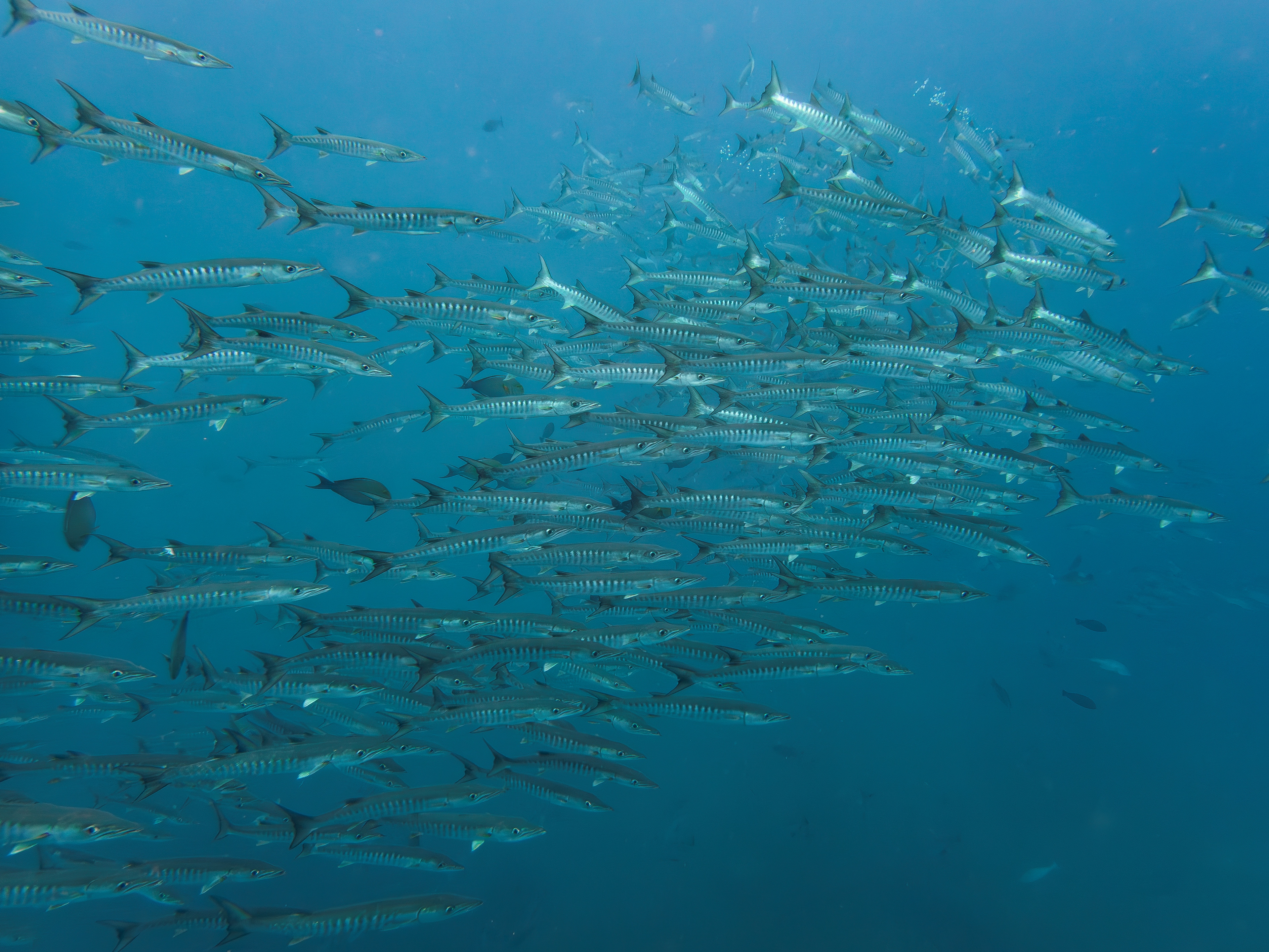
Goa is one of the most popular tourist destinations in India, and a visit to Goa can only be complete with a dive day or two! This is a great place to get your PADI Open Water Diver certification and gain experience diving in a variety of conditions. There are several historic shipwrecks, including the famous Suzy’s Wreck, around Goa as well.
Turbo Tunnel
Depth: 8 meters (26 feet)
As the name suggests, a dive here is a thrilling swim-through between an island and shallow rock, often with moderate to strong surge. Plenty of reef fish, such as cuttlefish, batfish, fusiliers and snappers, shelter within the fissure.
India’s long coastline offers growing opportunities for dive exploration. Whether you’re an experienced diver or just beginning your underwater journey, these lesser-known Indian dive sites promise adventure, biodiversity and unforgettable experiences.
If you’re looking for a dive destination where you can combine your underwater adventures with vibrant culture, history and plenty of opportunities for exploration on land, India is the perfect place for your next holiday. Don’t wait any longer; locate a PADI Dive Shop or book your trip on PADI Travel!