There are plenty of skills and habits that become second nature for divers: assembling scuba gear, achieving neutral buoyancy – even eating the right things. With all that in mind, one superpower is often overlooked: mindfulness.
In this blog, we’ll explore what mindfulness means, how it can help you prepare for your next PADI course or vacation, and a few ways you can add it to your everyday routine.
What Is Mindfulness?
Have you ever found yourself wondering if you’ve forgotten something while packing your dive bag, or sitting on the boat, thinking about work instead of the adventure ahead?
Mindfulness is about noticing when your attention drifts to past events or future worries, then bringing it back to the present. It’s a practical skill you can learn over time, and training your focus to stay in the here and now will help you get more from every moment underwater.
Are Mindfulness and Meditation the Same Thing?
Although both share many benefits and can make you feel happier, there are differences between the two:
- Meditation involves making time in your schedule to practice structured techniques, such as controlled breathing exercises or guided sessions.
- Mindfulness is a state of self-awareness that you build as a result. You can be mindful and fully present at any point in your day.
How Mindfulness Can Improve Your Dives
It doesn’t matter if you’re newly certified or a seasoned professional; practicing mindfulness in everyday life can enrich your experiences before, during and after diving.
Calm Dive Mindset
Mindfulness can reduce overthinking and anxiety. Perhaps you’re returning from a break, starting a new course or overcoming a fear. Through a stronger awareness of your mind and body, you’ll be able to spot and manage stress before it takes hold – so you can get on with enjoying your dives.
Quality Sleep
A good night’s sleep ahead of diving is essential. Of course, that’s not always easy if your mind is racing with life’s worries or excitement about your dream scuba destination. Mindfulness can make it easier to wind down and fall asleep, so you’ll wake up refreshed and ready for that early morning dive brief.
Better Breathing Gas Consumption
Through mindfulness exercises, you will learn to:
- control your breathing rate
- move slowly and more intentionally
- appreciate the beauty around you
All of this means you’re more likely to stay relaxed underwater, which is a top tip for improving breathing gas consumption. In short, mindfulness can help you spend more time below the surface (and to enjoy it more when you do).
Sharper Focus
Mindfulness keeps your concentration fixed on what’s happening right now. From your instructor explaining how a compass works to your buddy signaling a rare marine creature, you’ll be sure to catch all the important details while improving your focus underwater.
Overcoming Challenges
If your dive didn’t go to plan, it’s easy to get caught in negative self-talk. Instead, mindfulness points you toward useful questions, like, “What happened?” and, “What could I have done differently?” When combined with visualization, it’s a great way to reflect on and adjust your approach so you can succeed next time.
Greater Enjoyment Overall
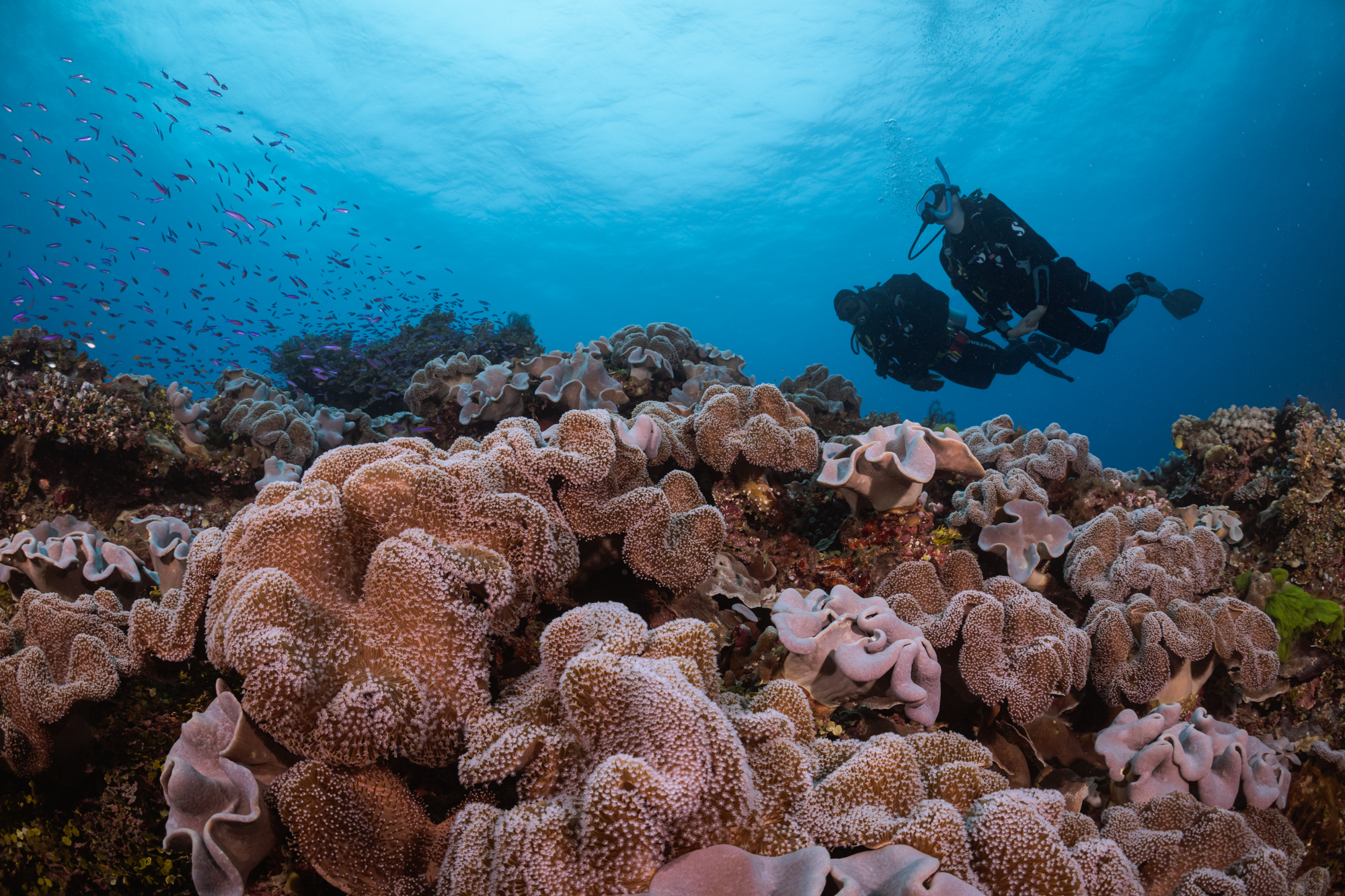
By tuning into your five senses, you’ll become more aware of the feeling of weightlessness, the sound of bubbles or the way sunlight dances across the reef. It’s all part of mindful diving, and even these smallest moments of appreciation can transform your experience.

How To Be More Mindful
Like any other skill, you have to practice mindfulness to get results. The good news is you don’t need special equipment or a new routine. There are lots of ways to be mindful, and even a few minutes a day is enough – just find something that works for you so you can be consistent.
Everyday Mindfulness for Divers
Almost any activity can be a chance to practice, so pick one you do every day and plan to make it mindful. For example:
- cooking and eating meals
- showering
- going for a walk or run – being outdoors can boost your wellbeing, too
- listening to a scuba podcast
- painting or coloring
- even washing your dive gear!
The trick is to slow down and savor how things look, feel, taste, sound and smell. Pay attention to your breathing and how your body feels. Don’t worry if your thoughts wander – the goal of mindfulness isn’t to stop thinking, but to bring your focus back to what you’re doing.

In the Moment
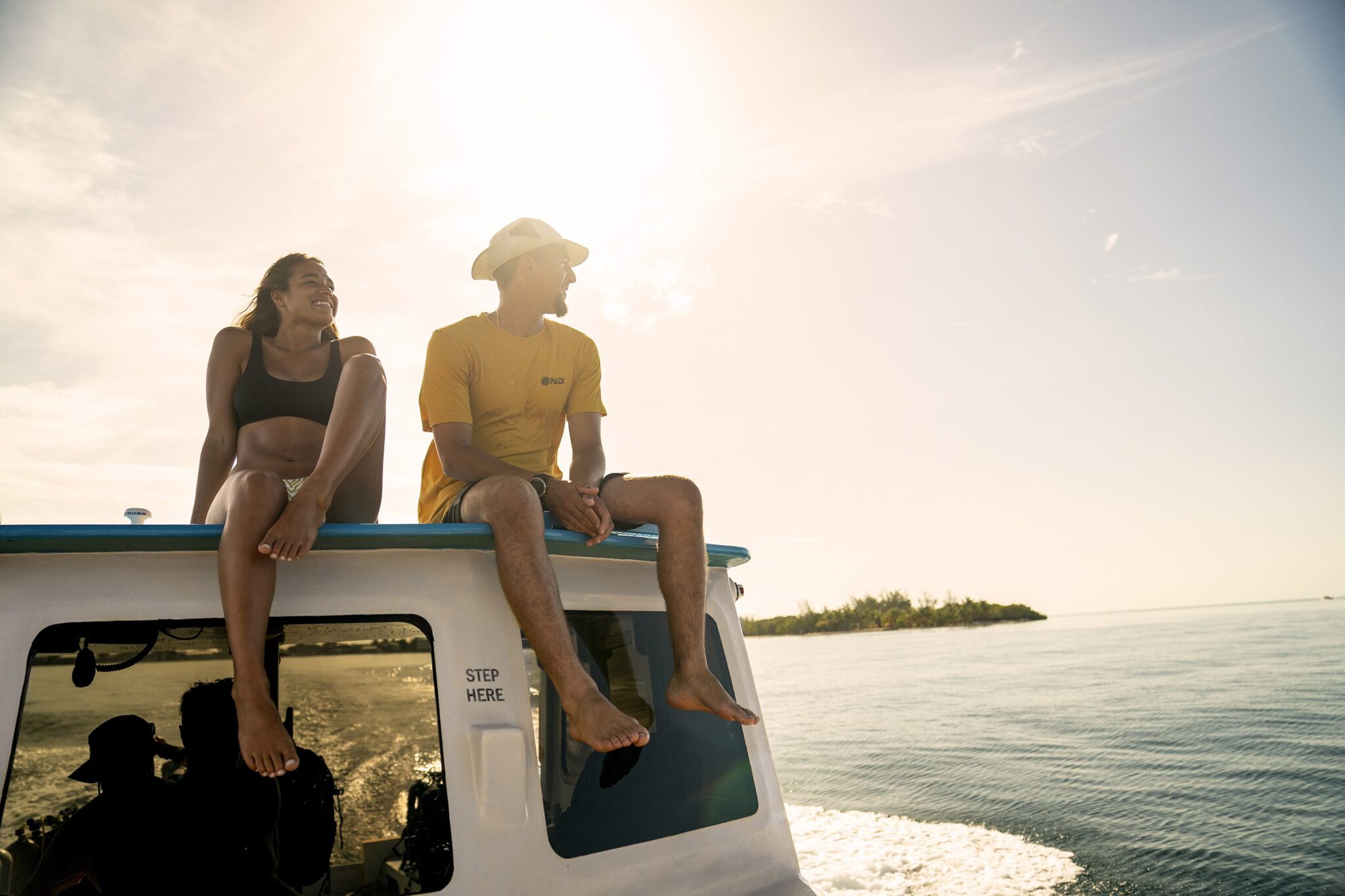
If you need a quick reset, there are many mindfulness techniques you can use anytime, anywhere – whether that’s waiting for a coffee or sailing to your dive site.
- 5-4-3-2-1 is a simple but effective grounding method where you look for:
- 5 things you can see
- 4 things you can feel
- 3 things you can hear
- 2 things you can smell
- 1 thing you can taste
- Body scanning involves moving your attention slowly through your body, from head to toe. Notice any tension or discomfort, then gently relax those areas.
- A quick mindful breathing exercise brings plenty of mental and physical benefits. By calming your nervous system, it’s also one of the fastest ways to overcome stress and anxiety.
Structured Meditation Before Diving
You don’t have to meditate to be mindful, but it’s a worthwhile option if you can set aside time for dedicated sessions:
- Guided meditations are ideal if you struggle to focus on your own. There are also plenty of free mindfulness videos and playlists to interest divers, such as these ocean-themed tracks. Of course, scuba diving itself can also be a form of underwater meditation!
- Visualizing a happy place is enough to relax the mind. Alternatively, thinking through different scenarios can help you prepare for any challenges or fears before you hit the water.
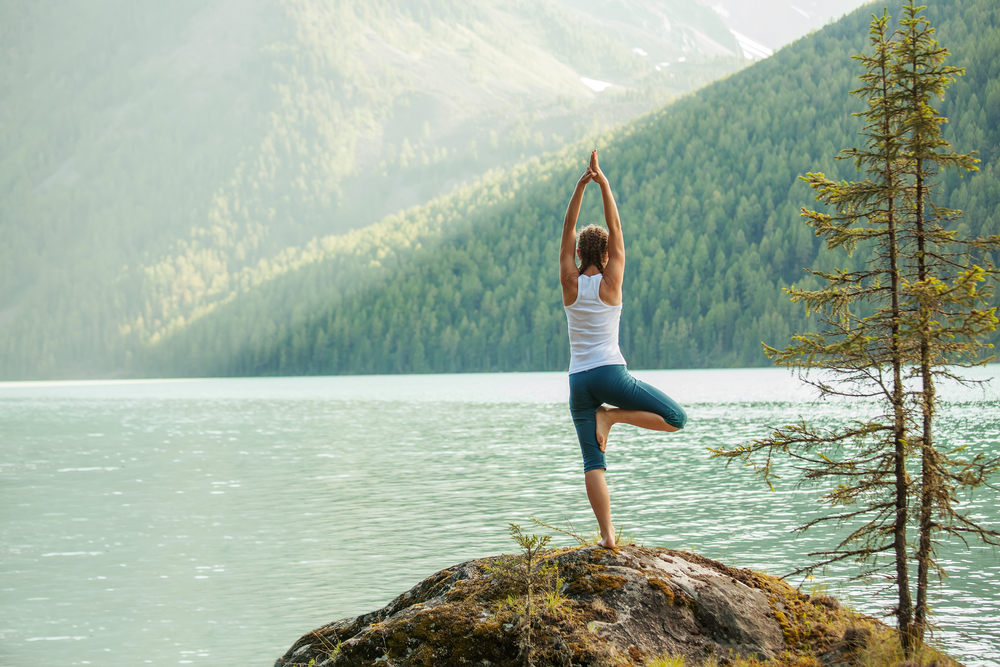
Meanwhile, yoga mixes mindfulness and meditation with physical poses. Just one or two weekly classes can keep your body and mind in better shape, leading to safer and more enjoyable dives. For a deeper ocean retreat, consider a vacation dedicated to wellness alongside scuba diving.
Reflection
Journaling and gratitude have been shown to increase happiness, but many people find it hard to make time for these mindfulness habits. Luckily, there’s a shortcut for divers: include three things you are grateful for when you log your dives!
Put Mindfulness Into Practice
Ready to put your new skill to use? If you need a boost in dive confidence before your next PADI course or simply want to elevate your underwater experiences, try practicing some mindfulness activities and see the difference it can make for yourself!