Some conservation stories begin with science. Others begin with place.
For Tim Leichliter, his story began with both.
A USCG OUPV-6 Pack Boat Captain, PADI Dive Instructor, AAUS Scientific Diver with DAR Kauaʻi and Emergency First Response Instructor, Tim is the Co-Founder of Hoʻomalu Ke Kai, a Kauaʻi-based nonprofit advancing coral restoration, marine debris upcycling and scientific diver workforce development. But long before the credentials, there was a young ocean advocate growing up in Pompano Beach, Florida, organizing beach cleanups and learning that protecting the sea requires consistency, not just passion.
That mindset followed him to Hawaiʻi, where he came to understand that loving a place means taking responsibility for it. Through Hoʻomalu Ke Kai, Tim has helped establish Kauaʻi’s first coral nursery and build pathways for local youth to become the next generation of ocean stewards, protecting reefs “by Kauaʻi, for Kauaʻi.”
In recognition of his extraordinary contributions, Tim has been named a recipient of the PADI Ocean Torchbearer Award, presented quarterly to PADI Professionals who demonstrate remarkable leadership and impact across PADI’s Pillars of Change: Ocean Conservation, Dive Industry Sustainability and People & Humanity.
What inspired you to co-found Hoʻomalu Ke Kai?
“I’ve been lucky to experience reefs in different stages of health. Early in my career, I helped relaunch an Eco Dive Resort near the Great Astrolabe Reef, where coral ecosystems were still vibrant and expansive. Later, after returning to Florida to care for family, I revisited reefs I had grown up diving, and they were dramatically changed. Places that once felt alive were reduced to patchy, algae-covered structures.
“Seeing that decline firsthand changes you.
“When I returned to Kauaʻi, I had already built strong connections to the island and its community. I came to understand that conservation can’t be imported or episodic. It must be rooted in place and carried forward by the people who call it home. Hoʻomalu Ke Kai was born from that belief.”
Why is building local scientific diving capacity so critical?
“Establishing the Kauaʻi Coral Restoration Nursery, a sister initiative of Hoʻomalu Ke Kai, was never just about growing coral. It was about building local capacity. Kauaʻi’s reefs are extensive, and some regions remain under-surveyed. If restoration depends solely on outside expertise, it becomes intermittent. Building scientific diving pathways locally ensures monitoring and restoration are continuous and responsive.
“We are developing structured diver training programs and working toward AAUS-affiliated scientific diving affiliation, so local divers can participate directly in research and restoration without leaving the island for certification. When conservation is led by people who live alongside the reefs year-round, stewardship becomes personal, and personal stewardship sustains resilience.”
How are you expanding access for youth and future marine professionals?
“Access remains one of the biggest barriers for island youth pursuing marine science and diving careers. While I serve on the board of Kauaʻi Ocean Awareness, which operates the Green Diver Initiative to expand youth access to scuba certifications, Hoʻomalu Ke Kai has developed additional pathways focused on coral restoration and scientific diving.
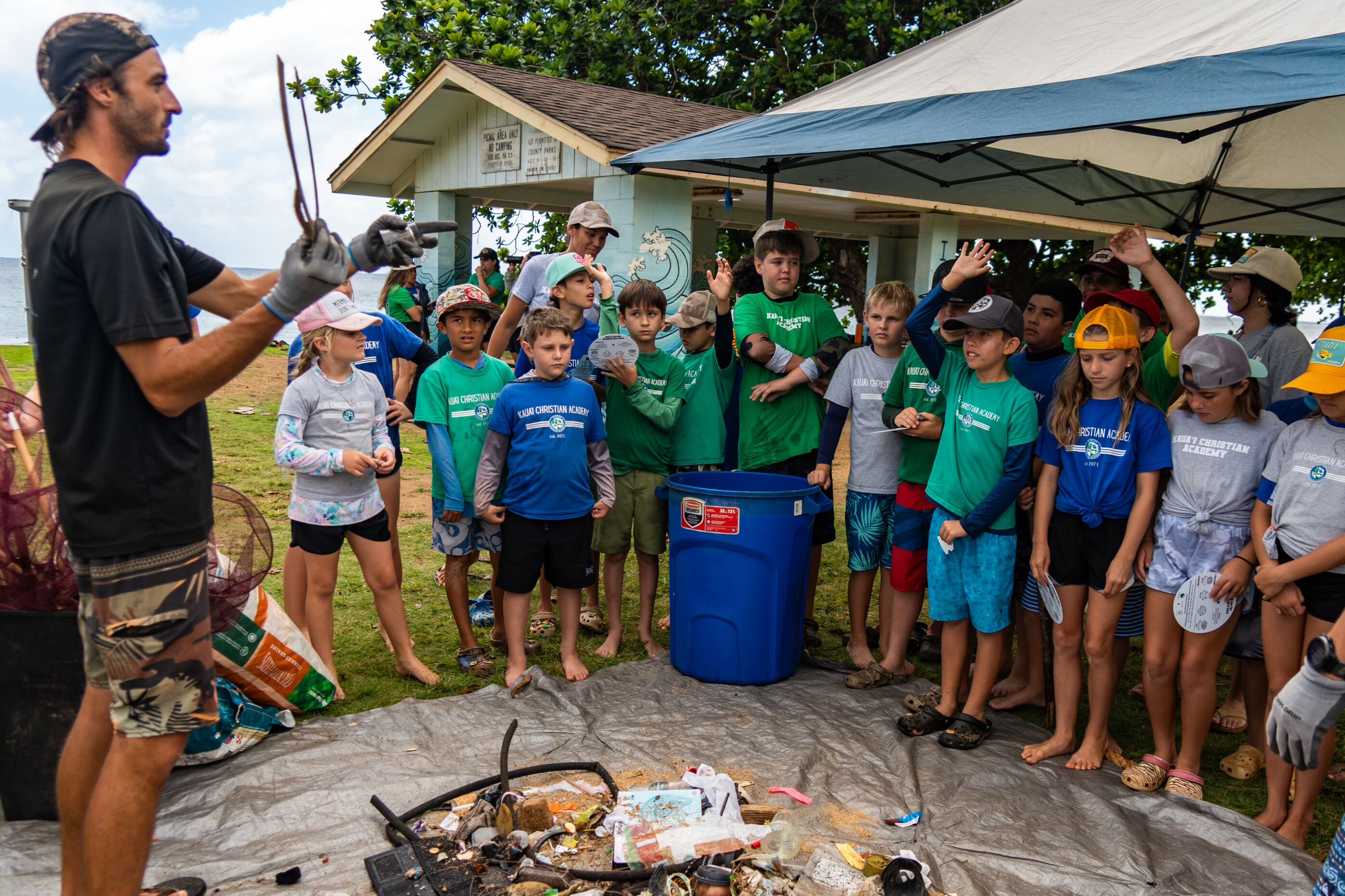
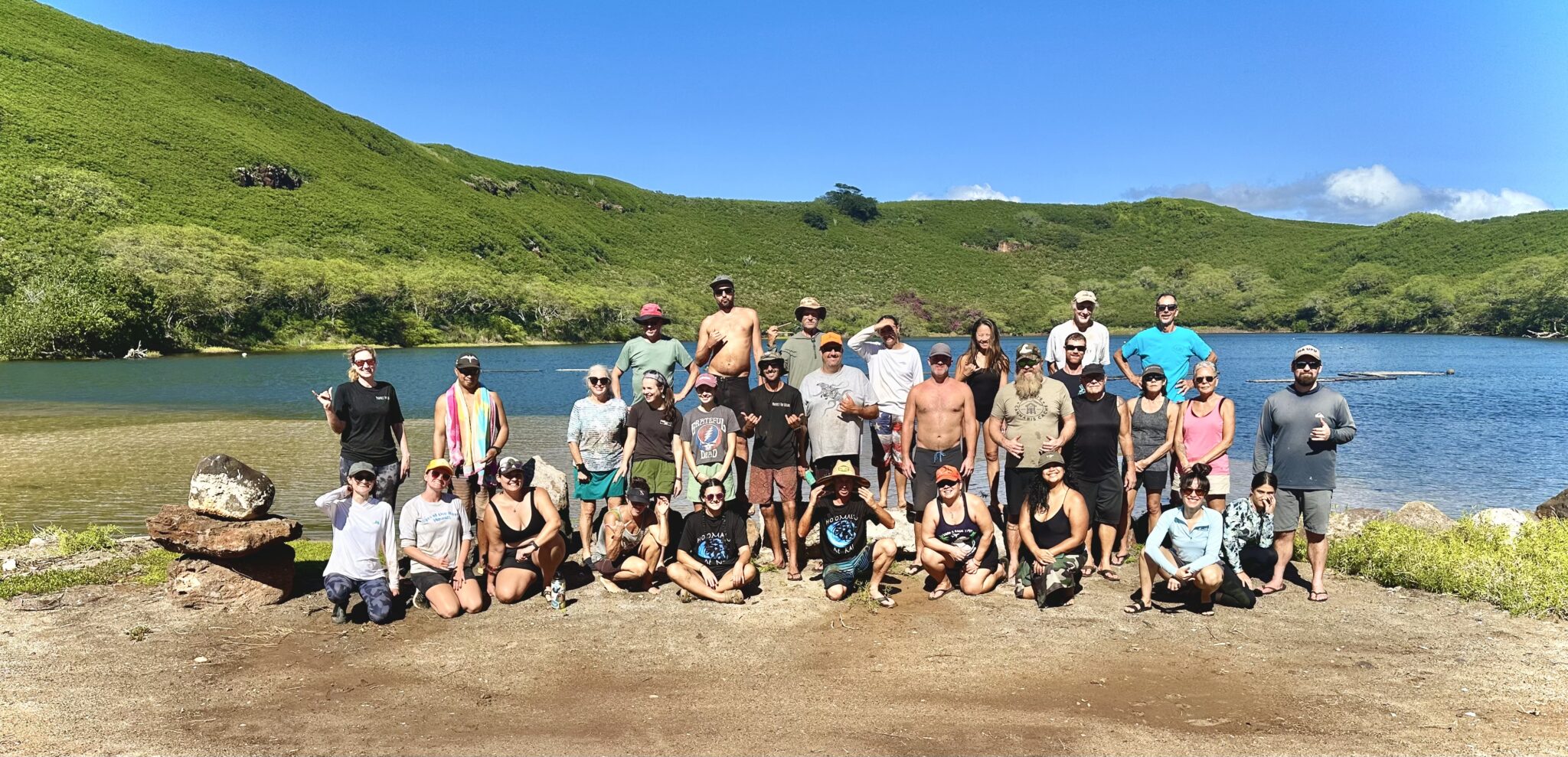
“We encourage young community members to start with shoreline cleanups and grow into assisting with nursery maintenance and reef monitoring. As their technical skills develop, so does their confidence. They begin to see themselves not just as volunteers, but as future marine professionals.
“If youth must leave the island to pursue training, many never return to apply those skills locally. Strengthening on-island training ensures conservation leadership grows within the community.
“Investing in local talent isn’t optional – it’s foundational.”
What role can the global dive community play in reducing barriers?
“The dive community has enormous influence in shaping access. Equipment sponsorships, scholarships, mentorship networks and professional development opportunities can shift who enters the field. Many island youth grow up immersed in the ocean yet cannot afford the certifications required to pursue diving professionally. When operators and manufacturers invest in grassroots, community-led programs, they create equitable pathways into ocean stewardship. Expanding access isn’t charity; it strengthens the entire industry. When conservation leadership reflects the communities most connected to reef ecosystems, solutions are more durable and culturally grounded. Inclusion strengthens reefs.”
Your marine debris upcycling program is innovative. How did that begin?
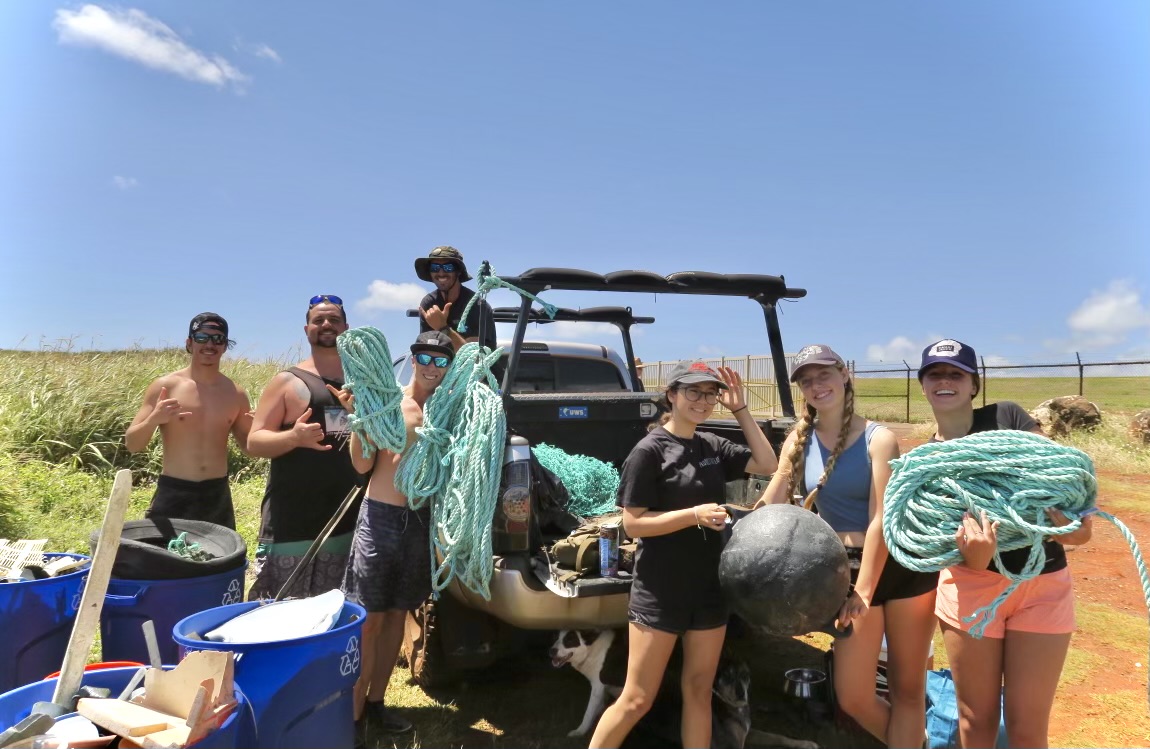
“After organizing countless cleanups across Kauaʻi, we started asking a hard question: What happens to the plastic after we collect it? Much of it was sent to landfill or shipped elsewhere, sometimes reentering the global waste stream. If we were asking our community to show up consistently, we needed a better outcome.
“That led to our marine debris upcycling initiative. Using community-scale plastic processing systems, we transform recovered ocean plastic into durable building materials and public-use infrastructure. Instead of returning to the environment, waste becomes resource. Cleanup shifts from temporary action to circular solution and stewardship becomes visible.”
How do partnerships shape your approach?
“Working alongside Native Hawaiian fishpond caretakers at Nōmilu reinforced that conservation cannot be separated from culture. Coral restoration exists within a broader relationship between land, sea and community. Science alone isn’t enough; restoration must honor history and place.
“Partnerships with local nonprofits, schools, aquaculture initiatives and state agencies have shown us that resilience grows through collaboration. No single organization restores reefs alone. When community members see themselves reflected in conservation efforts, participation deepens. Collaboration builds continuity and continuity builds impact.”
What moment has most inspired you recently?
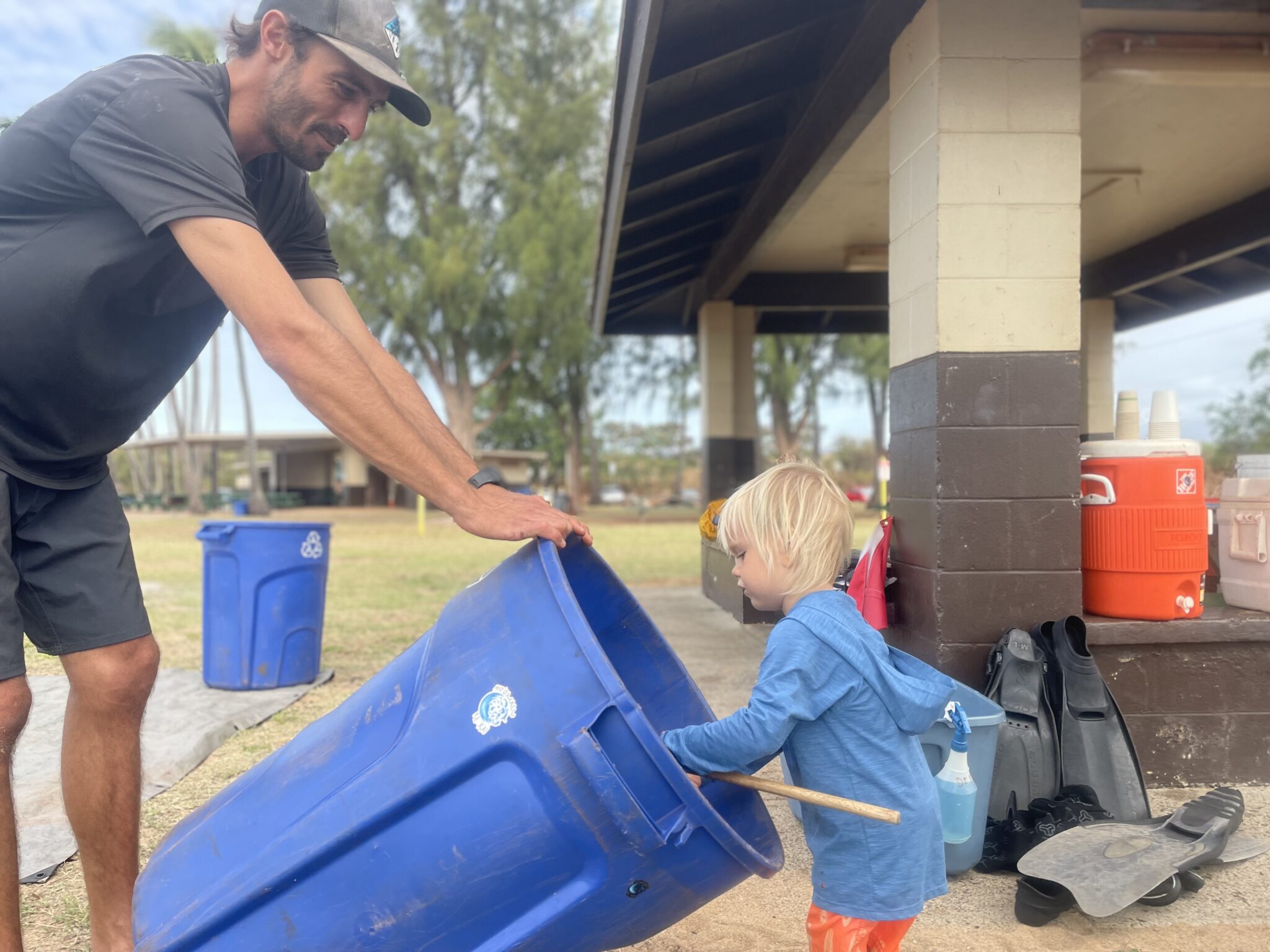
“One of our youngest community members chose to spend her birthday cleaning up Hanamā‘ulu Beach. After collecting debris all morning, a friend cast a fishing line and pulled up a plastic bag instead of a fish.
“It was simple, but powerful. The connection between waste and ecosystem health became immediate. Watching youth recognize that their actions shape the ocean they will inherit is deeply motivating. Conservation isn’t only about reef metrics. It’s about shaping values. It’s these small moments that create generational change.”
Looking ahead, what is your vision for the future?
“My vision is for Hoʻomalu Ke Kai and the Kauaʻi Coral Restoration Nursery to serve as integrated hubs for restoration, workforce development and circular economy innovation. That includes achieving AAUS scientific diving affiliation on Kauaʻi, expanding coral propagation capacity, strengthening youth training pathways and scaling marine debris upcycling into long-term infrastructure solutions. I hope the next generation of ocean leaders in Hawaiʻi grows up knowing conservation isn’t something imported – it’s cultivated locally, sustained by community and carried forward with pride. The future of our reefs depends on the people who choose to protect them.”
Through restoration, innovation, and community leadership, Tim Leichliter embodies the spirit of a PADI Ocean Torchbearer – proving that when conservation is rooted in place and powered by people, reefs and communities rise together.