When you start scuba diving, it stirs your curiosity and makes you want to learn more and do more to protect the ocean’s wonders. That’s why so many of us dive headfirst into citizen science efforts, like the PADI AWARE® Global Shark & Ray Census or Dive Against Debris®.
If you’ve always been secretly jealous of people who spend their days underwater doing research and observing marine species, and citizen science is no longer enough because you want to have more impact on research, this is the PADI Distinctive Specialty you’ve been waiting for!
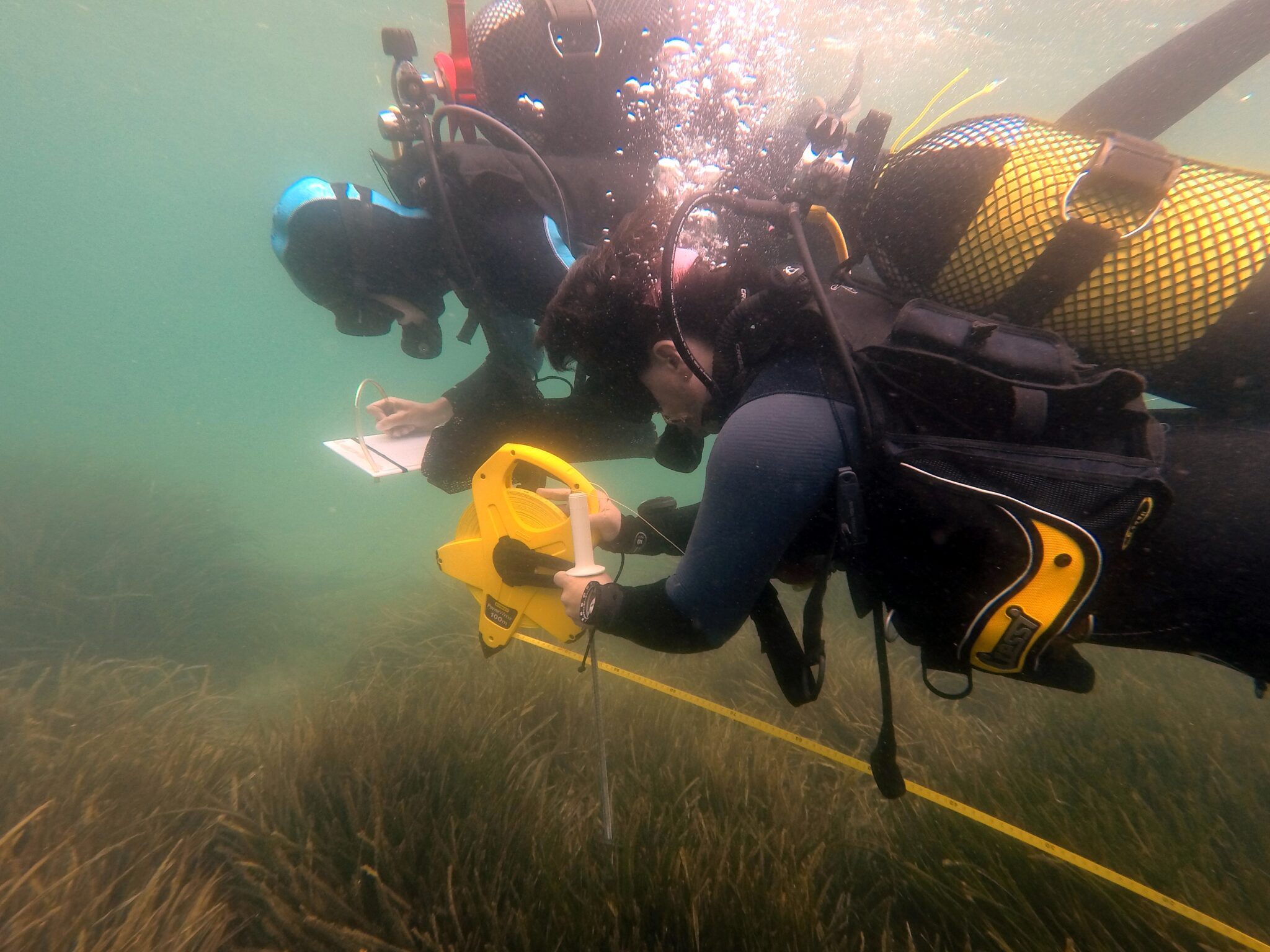
Introducing the New PADI Scientific Diver Distinctive Specialty
The PADI Scientific Diver Distinctive Specialty course was created by the Complutense University of Madrid, and it gives students both the PADI Distinctive Specialty certification and an official University Diploma in Scientific Diving from the Spanish Ministry of Education.
Whether you’re a diver wanting to dig a little deeper into the practical aspects of marine research or a scientist who wants to roll up their sleeves and get more involved in data gathering, the Scientific Diver Distinctive Specialty helps bridge the gap between academic research and hands-on diving experience.
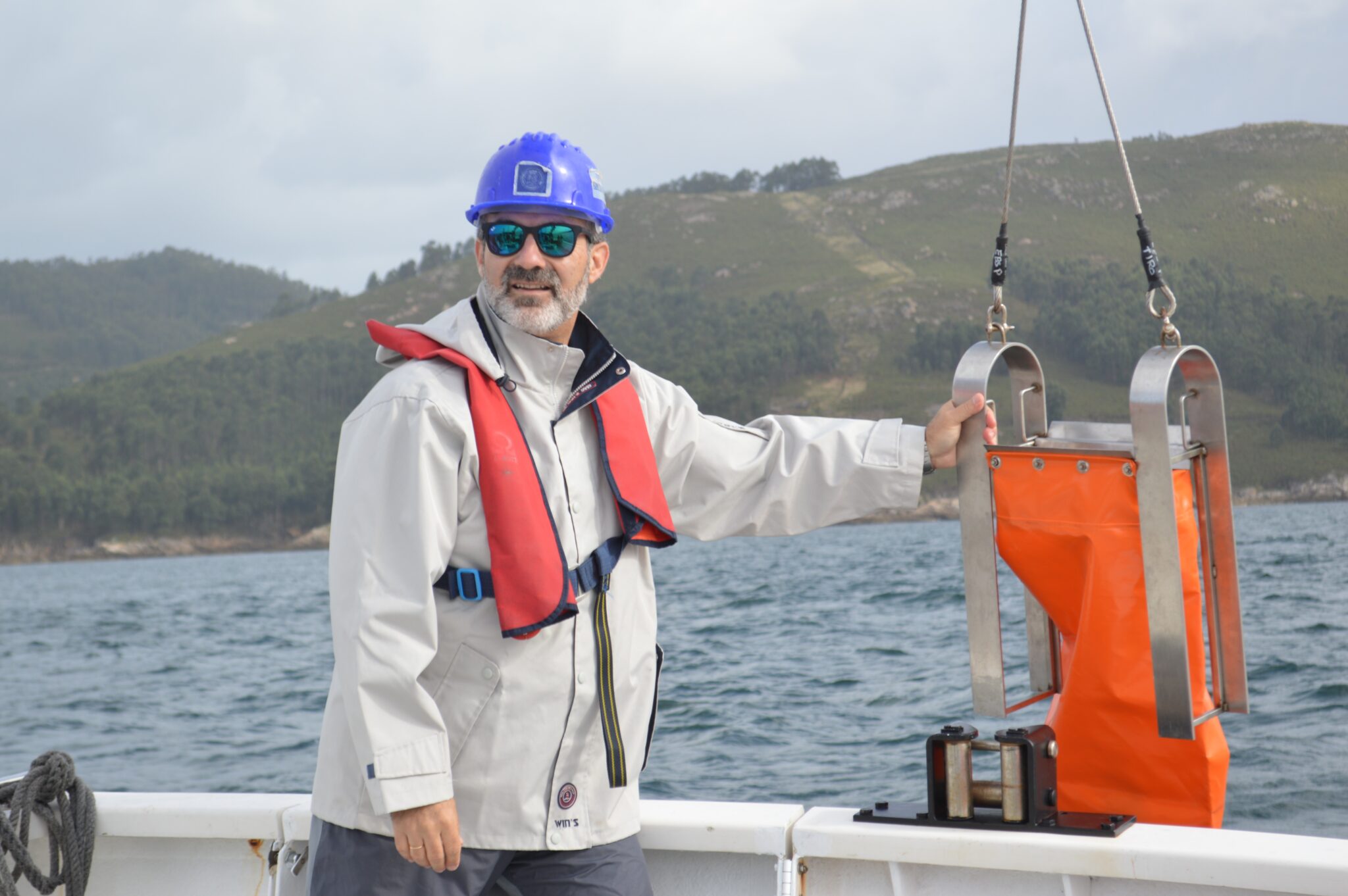
We spoke to Fernando Pardos, Professor of Zoology at the Universidad Complutense of Madrid, Spain, and co-author of the Distinctive Specialty together with ZOEA, a Five Star PADI IDC that has the endorsement of the Official College of Biologists of Madrid for its varied catalog of marine biology courses.
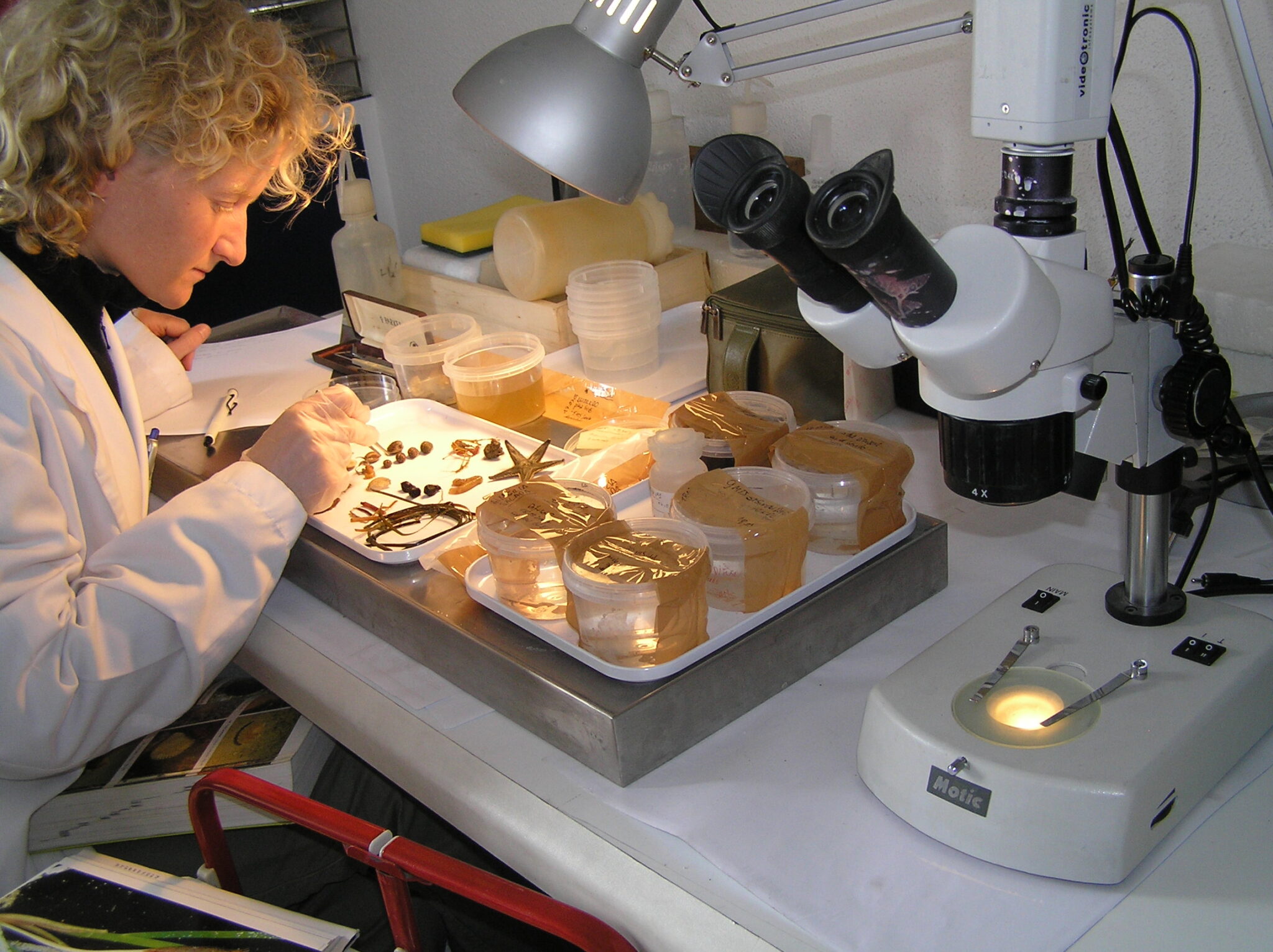
As part of his research, Pardos relies on diving to study marine invertebrates commonly known as mud dragons. These microscopic creatures are part of the meiofauna, small benthic invertebrates that live in aquatic environments and play a very important ecological role at the base of marine food chains.
Pardos tells us, “As university professors, we have a dual role: teaching and research. And when it comes to research, I’ve always relied on scuba diving as a tool for collecting samples, because I study microscopic organisms that live in the spaces between grains of sand on the seafloor. I need to collect seafloor samples at a relatively accessible depth, and it’s much better to collect them by hand.”
Diving To Support Marine Research
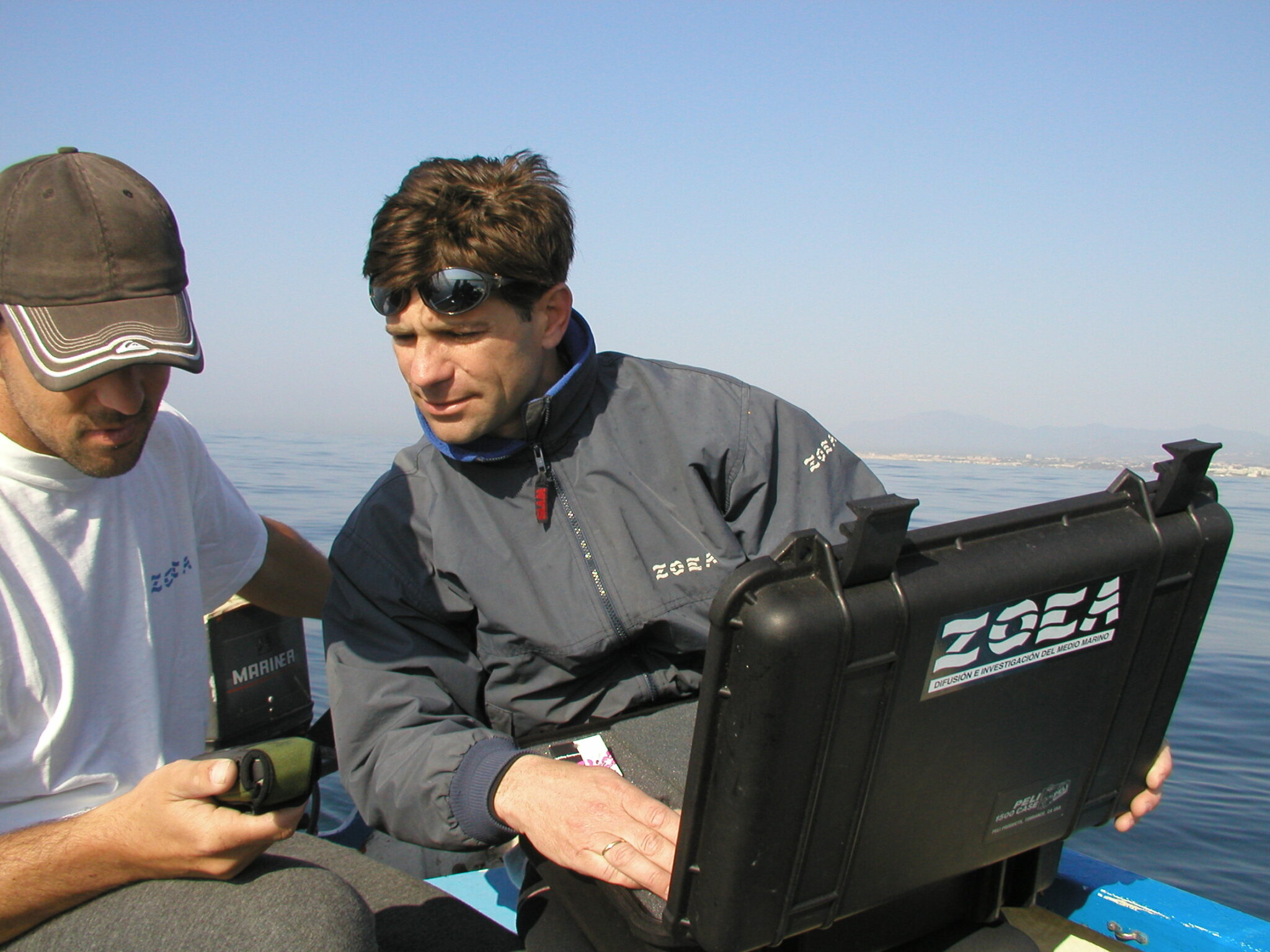
Marine researchers need data, but they can’t always dive to collect it themselves, so they often need support from scuba divers. These support divers follow the researchers’ instructions, but to ensure the integrity of the research, they need someone who understands the nuances of data collection and preservation.
According to Pardos, “Like any scientific activity, this requires technical support. To study my animals, in addition to having dived and retrieved them from the seafloor, I need a high-end microscope and the support of a microscopy technician. We also need diving technicians who dive better than we do and who have sufficient scientific knowledge to reliably collect samples that are usable.
It’s not just a matter of going down; it’s much more complex and much more serious. For example, they have to know what a sample with replicas is, what pseudoreplicas are, sampling design… They have to learn, because once they’re down there, the diver is in charge.”
On one of Pardos’ most memorable research trips, he was part of an international expedition in Panama comparing the fauna on the Atlantic and Pacific coasts to see if marine species passed through the freshwater Panama Canal. For their research, they received support from professional divers contracted by the marine research station, who were experienced in following instructions from the scientist in charge on the surface.
He explains, “Professional divers primarily focus on tasks such as repairing underwater structures or ship hulls. We lacked support for scientific research, which many divers do, but with the knowledge they’ve acquired through experience.
But it would have been much more productive for me if the diver the Smithsonian provided to work with me had already been trained in sampling techniques, in knowing what kind of sampling I want to do, in statistical methods, in how to select a minimum area to sample underwater and so on.
That’s when, while talking with ZOEA, we found a gap in the market that we needed to fill, the gap between a recreational or tourist diver and a professional diver.”
What Does a Scientific Diver Do?
Divers come into contact with marine ecosystems from the moment they first dive into their PADI Open Water Diver certification, as their instructor points out all the new species they might see on their course. For many divers, this sparks curiosity that leads them to continue by taking Fish ID courses, getting into shark conservation or collaborating on coral restoration projects. Some develop a love for the tiniest of creatures, which might lead them down the path of underwater photography.
But there’s a whole lot of life in the ocean that is much smaller than the eye can see, more miniscule than the tiniest nudibranch. All the way down to the microscopic creatures that are invisible to the naked eye, all life in the ocean is so intertwined that every species depends on the others for survival.
“One of the things we do in the course is open divers’ eyes to the fact that there is a whole world of unknown marine life out there. It’s not just about the pretty fish. There is a whole world of unknown marine life that can be microscopic yet spectacular,” says Pardos
Pardos continues, observing that when baby seal populations are in danger, everyone wants to protect them because they’re so cute. Baby seals are like living, breathing plushies staring back at you with sad, soulful eyes. But who thinks about saving the lowly shrimp, or a simple worm?
“And yet it is precisely because these animals exist that we have a food web that supports the entire marine ecosystem and allows seals and orcas to be there doing what they need to do. If we only look at the tip of the iceberg when it comes to marine food pyramids, then we’re in trouble. We need to raise awareness about everything down there, because everything has its importance. Every creature forms links in the chain and nodes in the food webs that sustain the entire marine ecosystem.“
One way a research diver might help study the entire marine ecosystem, including the parts of the food chain beyond what is visible to the naked eye, is by collecting plankton samples.
Pardos explains, “When you take a sample, you use a plankton net. One of the tasks a research diver might perform is to conduct a transect using the net. It’s like a butterfly net with a mesh of a specific diameter that’s calibrated, usually 62 microns. And then when you pull that out of the sea, you don’t see anything. At most, you see a kind of paste that’s left at the bottom of that butterfly net. But then you put that in a Petri dish with water, and it’s a spectacle of animals and plants you’ve never seen, that you didn’t even know existed. Identifying them is no easy task. And yet being able to take that sample is relatively simple, so it would be a huge help to many marine biologists.”
What Does the PADI Scientific Diver Distinctive Specialty Consist Of?
Although it’s already commonplace in some countries, this course marks the first time universities in Spain have awarded credits for diving-related activities. This is a significant step forward in recognizing the academic importance of scuba training.
The course offers divers knowledge in marine biology and the underwater sampling skills they need to become Underwater Field Technicians capable of undertaking tasks that support scientific research without direct supervision.
The Distinctive Specialty is highly interdisciplinary and relevant to those interested in everything from marine archeology to conservation or invasive species.
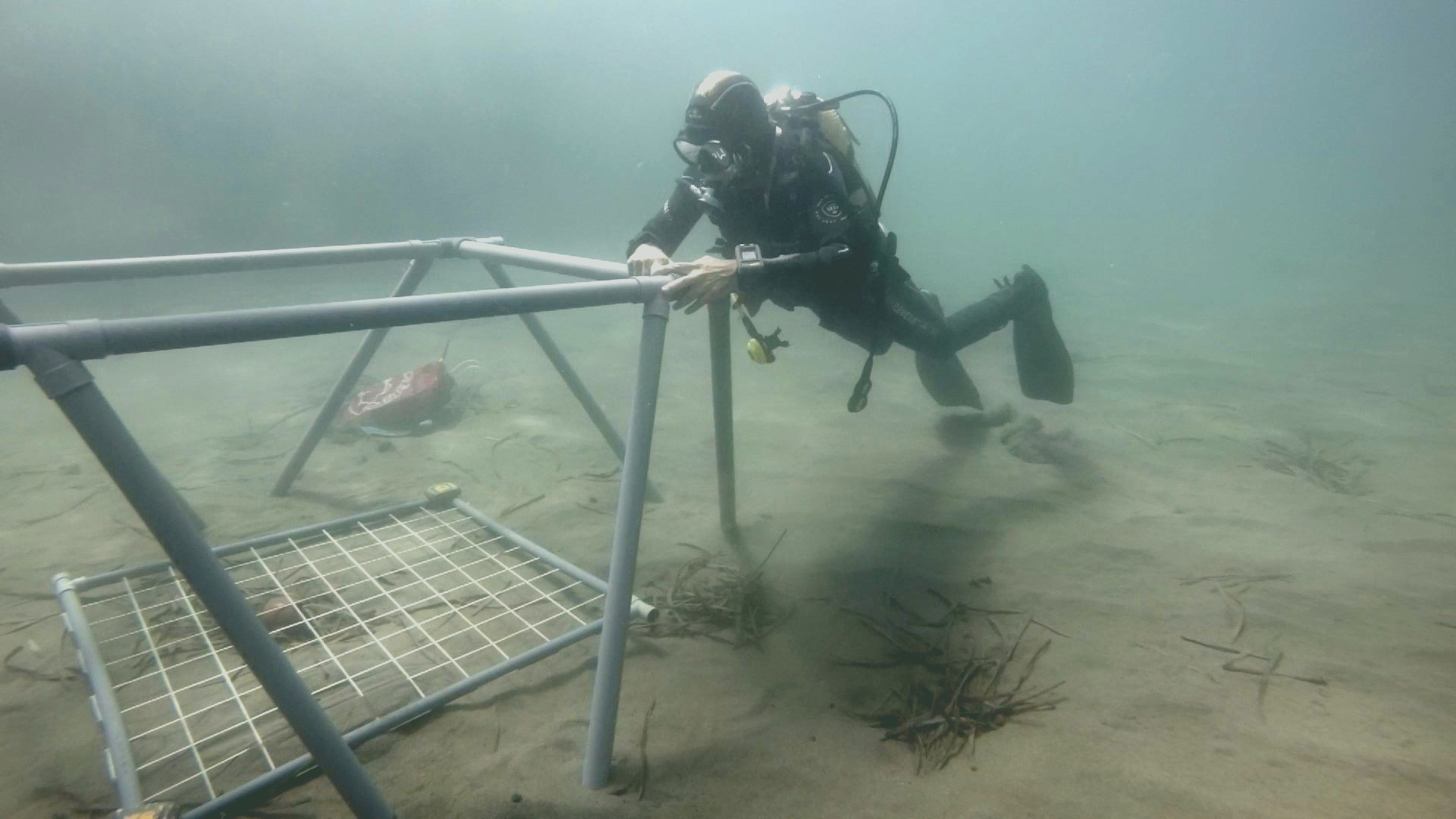
Pardos breaks down the course, “There are practical exercises in recovering archaeological remains, mapping the seabed using grid or design methods and sampling with various sampling devices. And at the end, they must develop and present a technical report and a final report.”
The PADI Scientific Diver Specialty Consists of Three Parts
- The learning portion of the course is 120 hours of theory covering marine ecology, scientific instruments, sampling and sample preservation methods, monitoring marine ecosystems and preparing a technical report. Students also gain an understanding of environmental law and ethics.
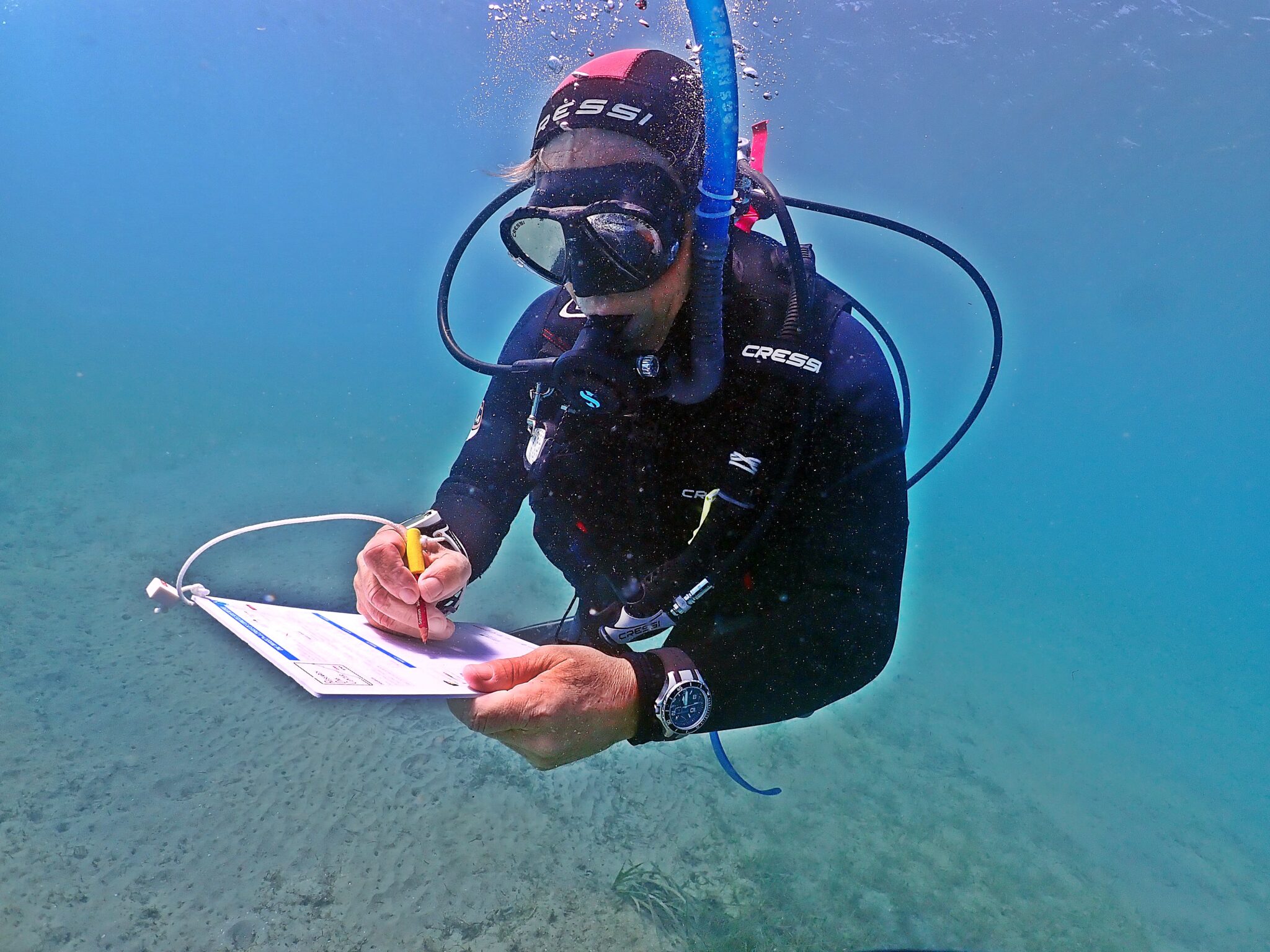
- The practical component gives divers hands-on research experience. It consists of five field days, during which participants complete four open water sampling dives to conduct a fish census, study seagrass beds and sample sediment. The course may also include confined water dives to familiarize participants with sampling techniques and equipment.
- Preparation of a final report and fieldwork summary that instructors will assess as part of the final course review.
To obtain a PADI Scientific Diver Distinctive Specialty certification, divers must be 18 or older, have at least an Advanced Open Water Diver Certification and have 20 logged dives.
After completing all requirements, students will receive both a Scientific Diving University Diploma from the Spanish Ministry of Education, Vocational Training and Sports and a PADI Distinctive Specialty certification.
Become a PADI Scientific Diver
Right now, this PADI Distinctive Specialty is taught in collaboration with the Universidad Complutense de Madrid, but it has the potential to spread much further and to support marine research institutions all over the world. That way, divers can receive the training they need to meaningfully contribute to published scientific research.
“I’ve always had this idea in mind: to set up a network of diving clubs that conduct experiments, for example, on habitat conservation measures and collect data. Compiling all that data would not only be publishable, but it would also be a great help to institutions, such as regional governments that are responsible for protecting the coastline, developing regulations and overseeing the conservation of natural parks,” adds Pardos.
We asked Pardos what advice he has for any divers looking to get more involved in marine research. His response: “First, take this course, add it to your resume, and reach out to research groups or institutions to see where a scientific diver’s expertise might be needed. Send them your resume, and I’m sure some of them will be in need of your services.”
Whether you’re already a scientist or just science-curious, if you want to help shape the future of marine research while you dive and learn more about the ocean ecosystems that bring us so much joy, sign up for the PADI Scientific Diver Distinctive Specialty certification.