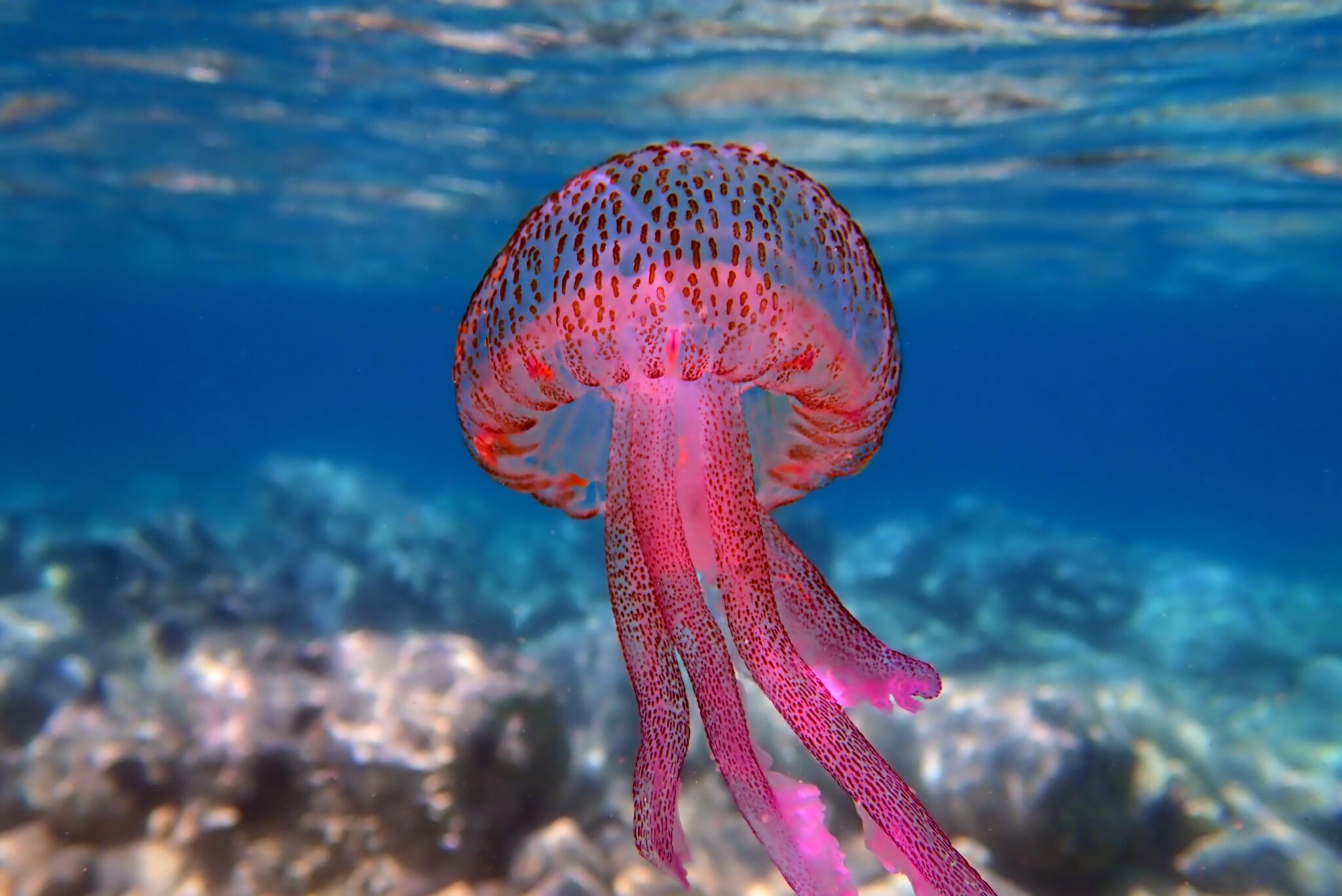
Diving into the mesmerizing depths of our ocean is a breathtaking experience that unlocks a world of wonder and beauty. However, amidst the allure of marine life, a crucial mantra resonates louder than ever: ‘Look but please don’t touch.’ Beyond preserving the delicate balance of our underwater ecosystems, there’s an even more compelling reason to respect these marine animals. In this blog, we’ll cover toxic marine life species capable of delivering a nasty punch to those who dare disturb their tranquil existence.
Let’s dive in and discover the astonishing power of nature’s self-defense mechanisms and why it’s best to admire them from a safe distance.
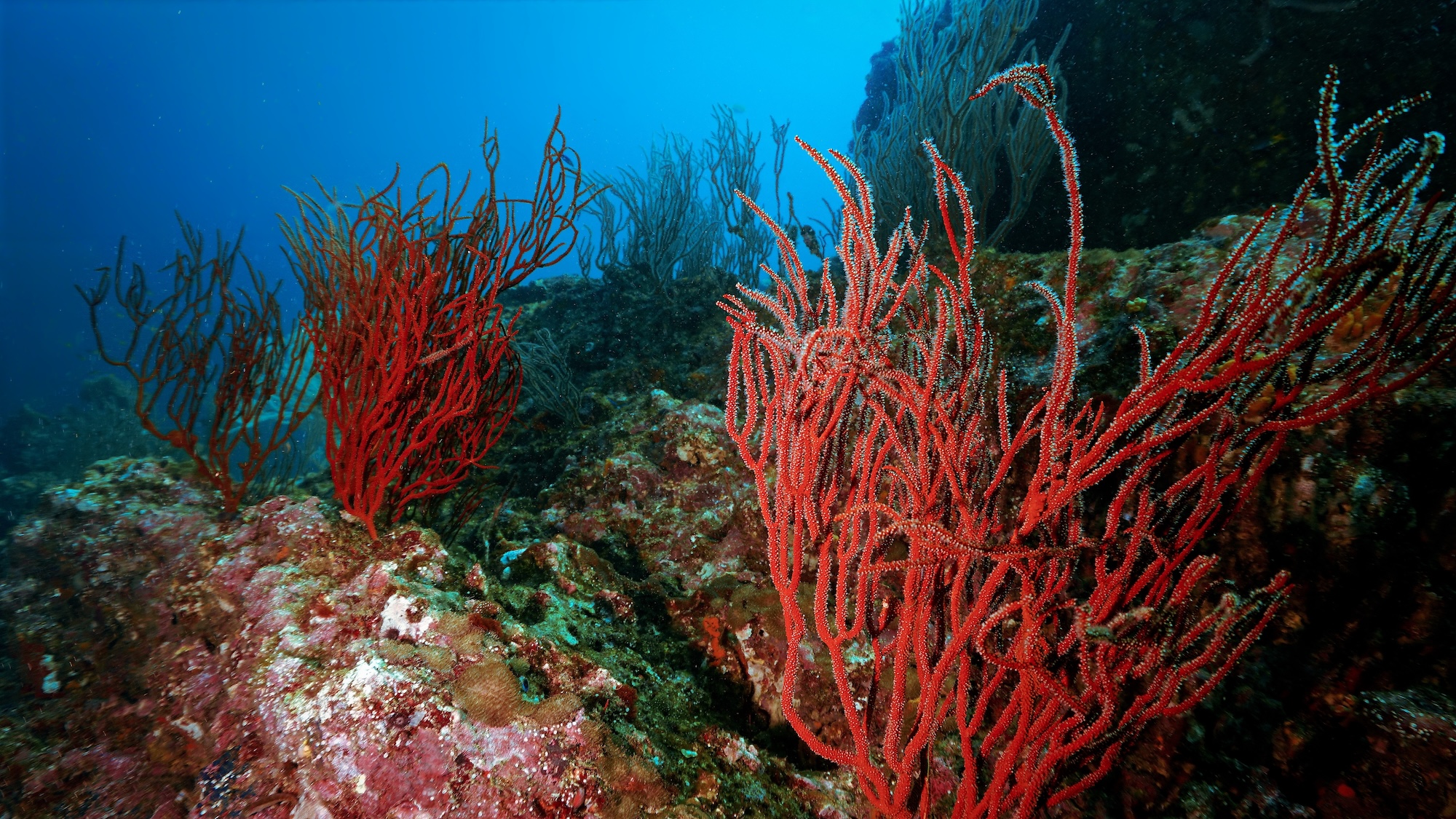
1. Fire Coral
Where: Indian, Atlantic and Pacific Oceans, Caribbean Sea
Toxin Purpose: Prevents other reef organisms growing on top of it
Despite its name and the way it forms part of reef structures, fire coral is more closely related to jellyfish than other corals. It is covered in long, fine hairs with stinging cells which are almost invisible to see but, if brushed against, will deliver anything from a mild irritation to a severe burning sensation to the skin.
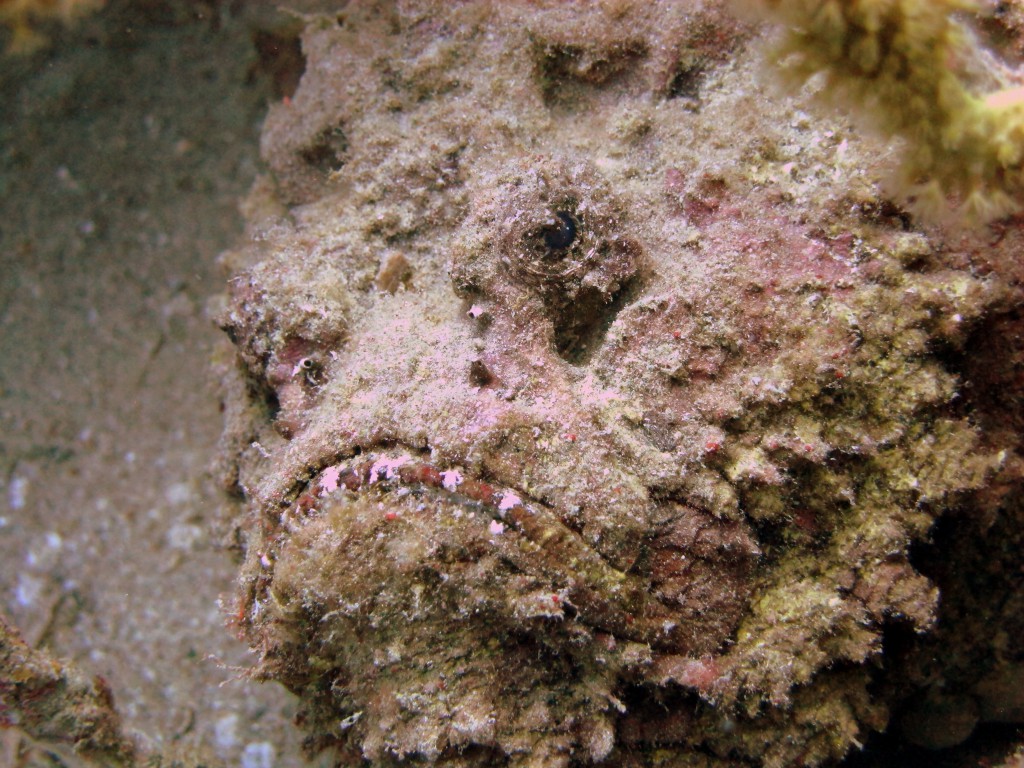
2. Stonefish
Where: Indian and Pacific Oceans
Toxin Purpose: Defence against predators
The stonefish is the most venomous fish in the ocean. What makes it worse is that it’s a master of camouflage, with many victims mistaking the fish for a rock. The venom is injected from spines in the dorsal fins (the amount of which depends on how much pressure was applied) causing agonizing pain for several hours, and in extreme cases, paralysis, shock or even death.
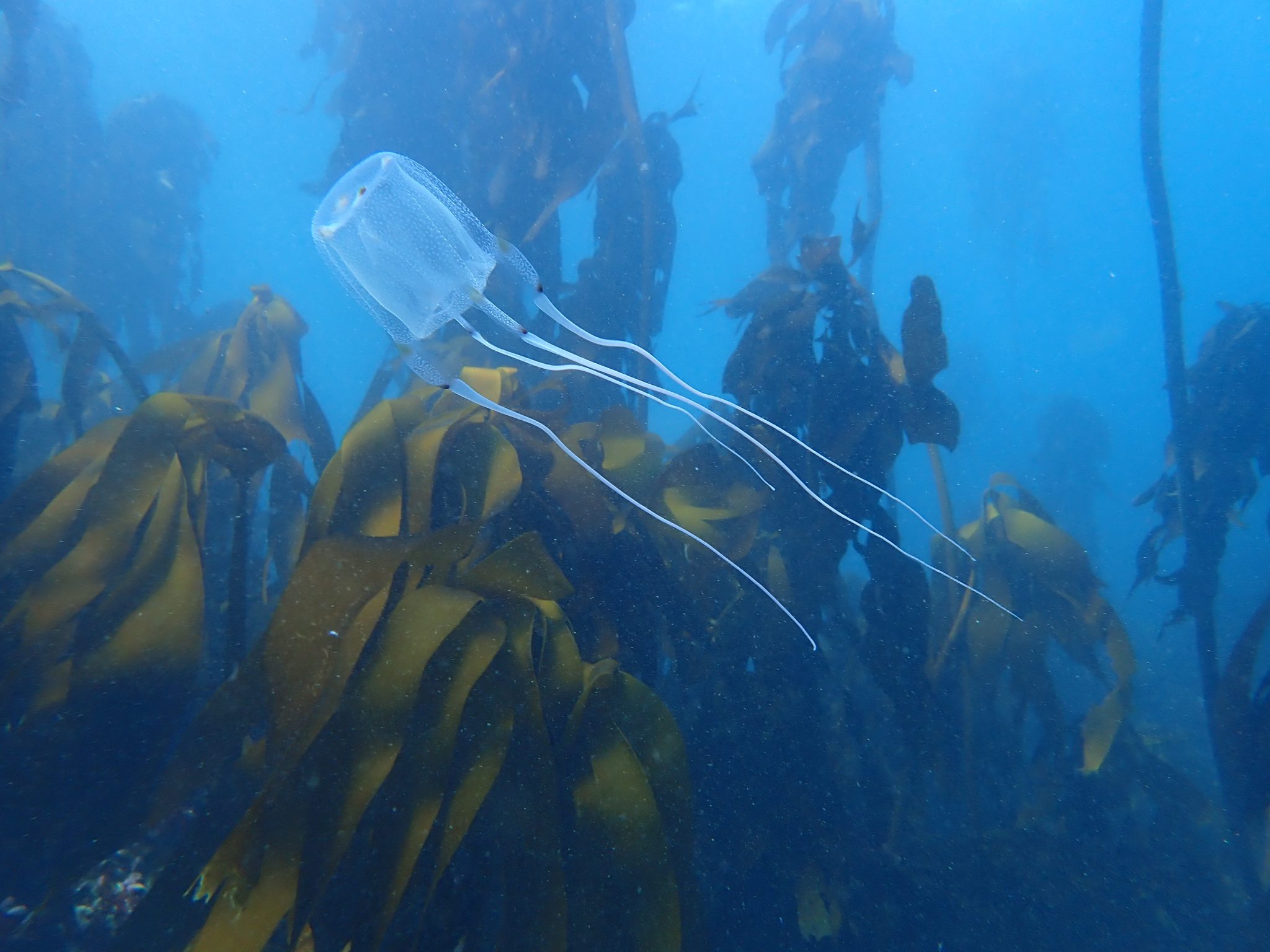
3. Box Jellyfish
Where: Northern Australia, Indian and Pacific Oceans
Toxin Purpose: Immobilizing prey
Regularly cited as one of the most dangerous animals on the planet, the Chironex fleckeri box jellyfish (aka the sea wasp) delivers an incredibly potent venom that can cause severe and potentially life-threatening reactions. Even scarier? The jellyfish can have up to 60 tentacles, which can grow several meters long and are almost invisible in the water. The sting can cause intense pain and, in severe cases, lead to shock or heart problems. Some people may also be left with scars from the sting.
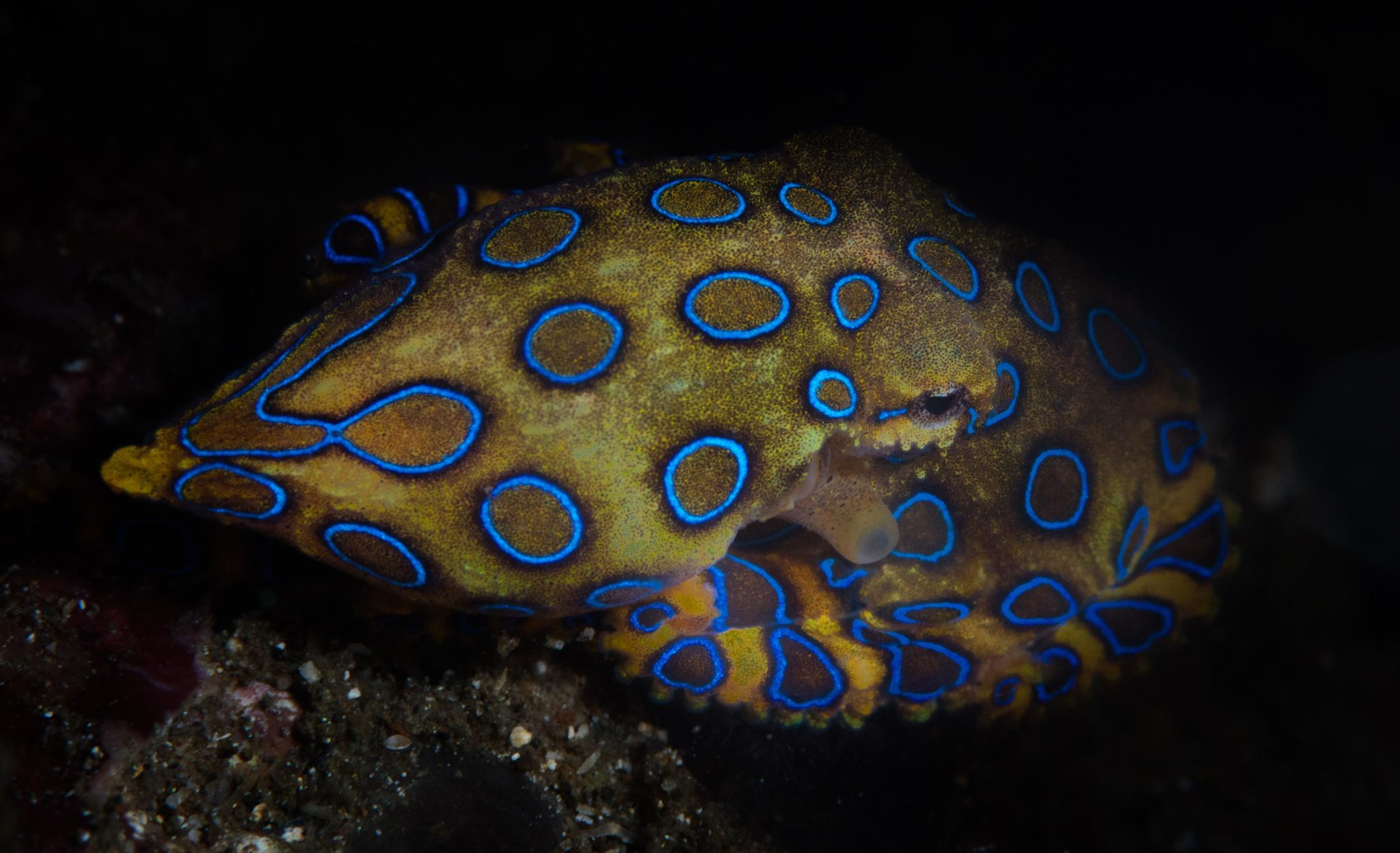
4. Blue-Ringed Octopus
Where: Indian and Pacific Oceans (from Japan to Australia)
Toxin Purpose: Immobilizing prey
The blue-ringed octopus is surprisingly small compared to most other octopuses, growing to no more than 20 centimeters (eight inches), but its venom is highly toxic. When disturbed, its distinctive blue rings become more visible as a warning. Its bite may be painless, but the venom can cause numbness, paralysis and respiratory failure and can be fatal without treatment.
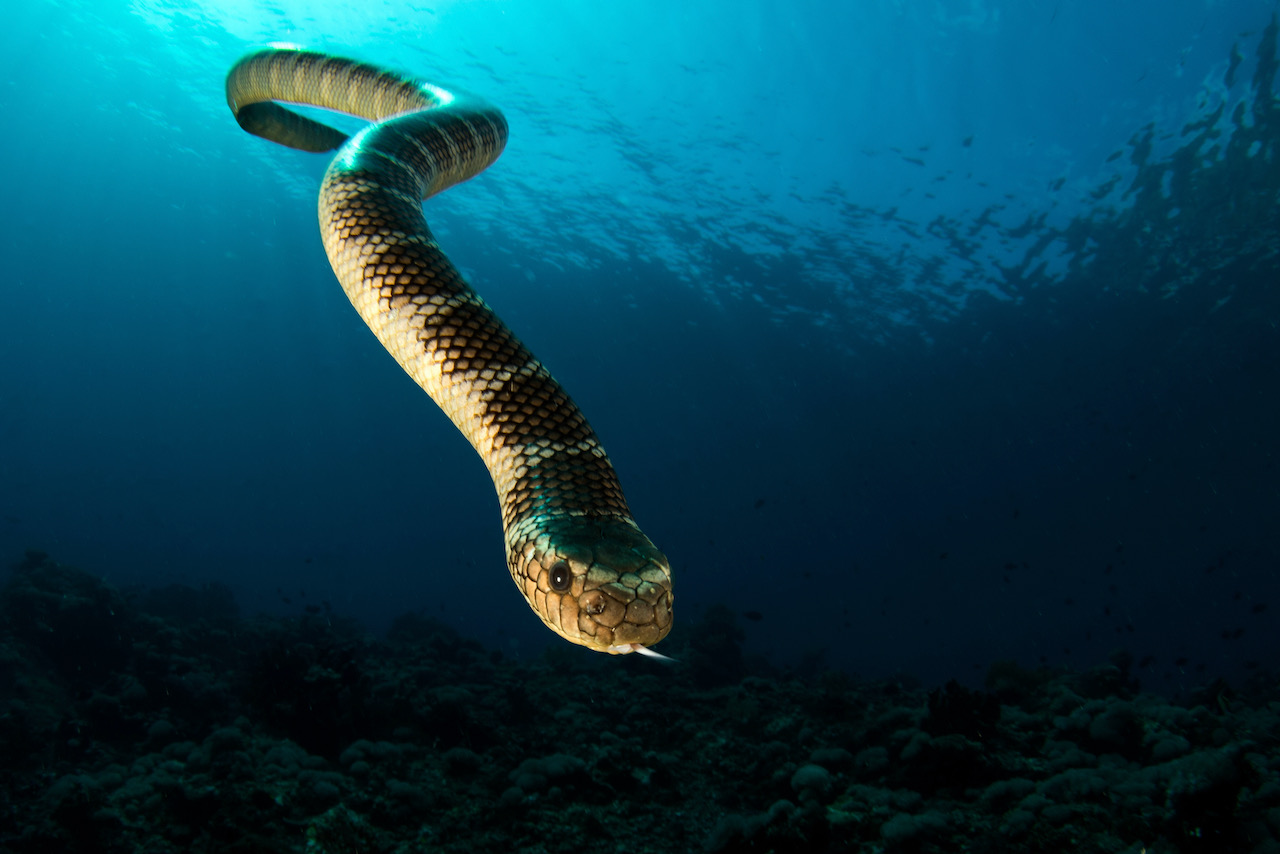
5. Sea Snakes
Where: Indian and Pacific Oceans
Toxin Purpose: Immobilizing prey
Sea snakes can deliver a dangerous bite that is often even more toxic than their land-based counterparts. Generally, sea snakes are non-aggressive and only attack if provoked. Envenomation usually results in stiffness, aching and localized pain, leading to nervous system problems and respiratory paralysis.
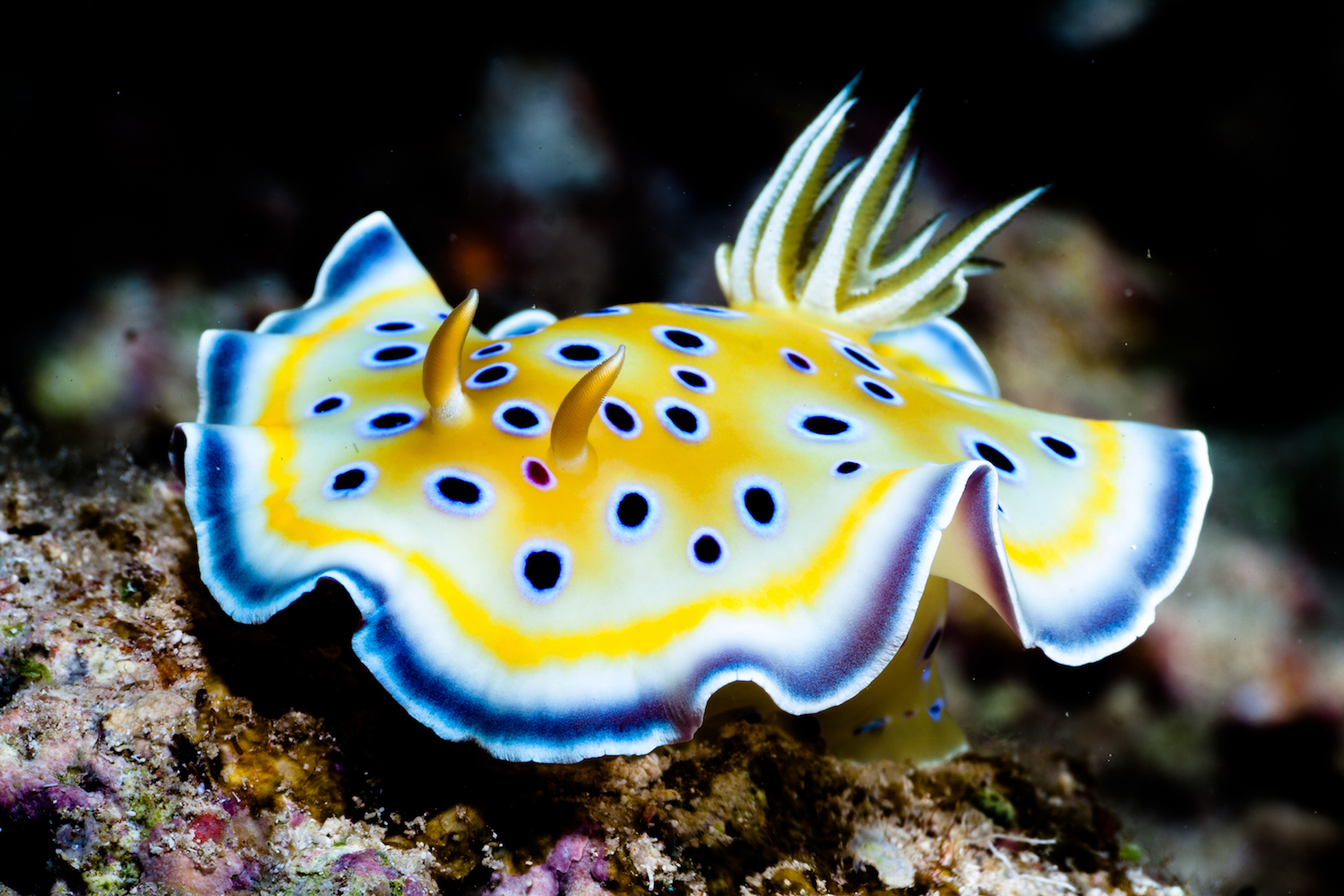
6. Nudibranchs
Where: Found worldwide
Toxin Purpose: Defence against predators
With the absence of big teeth, tentacles or hard shells, nudibranchs have a different – and clever – tactic for staying safe. Although some can generate their own chemicals, many nudibranchs will store the toxins and stingers from the sponges, corals and other organisms they feed on, releasing them at will in times of peril. The good news is that these colorful little critters don’t pose any threat to divers when left alone.
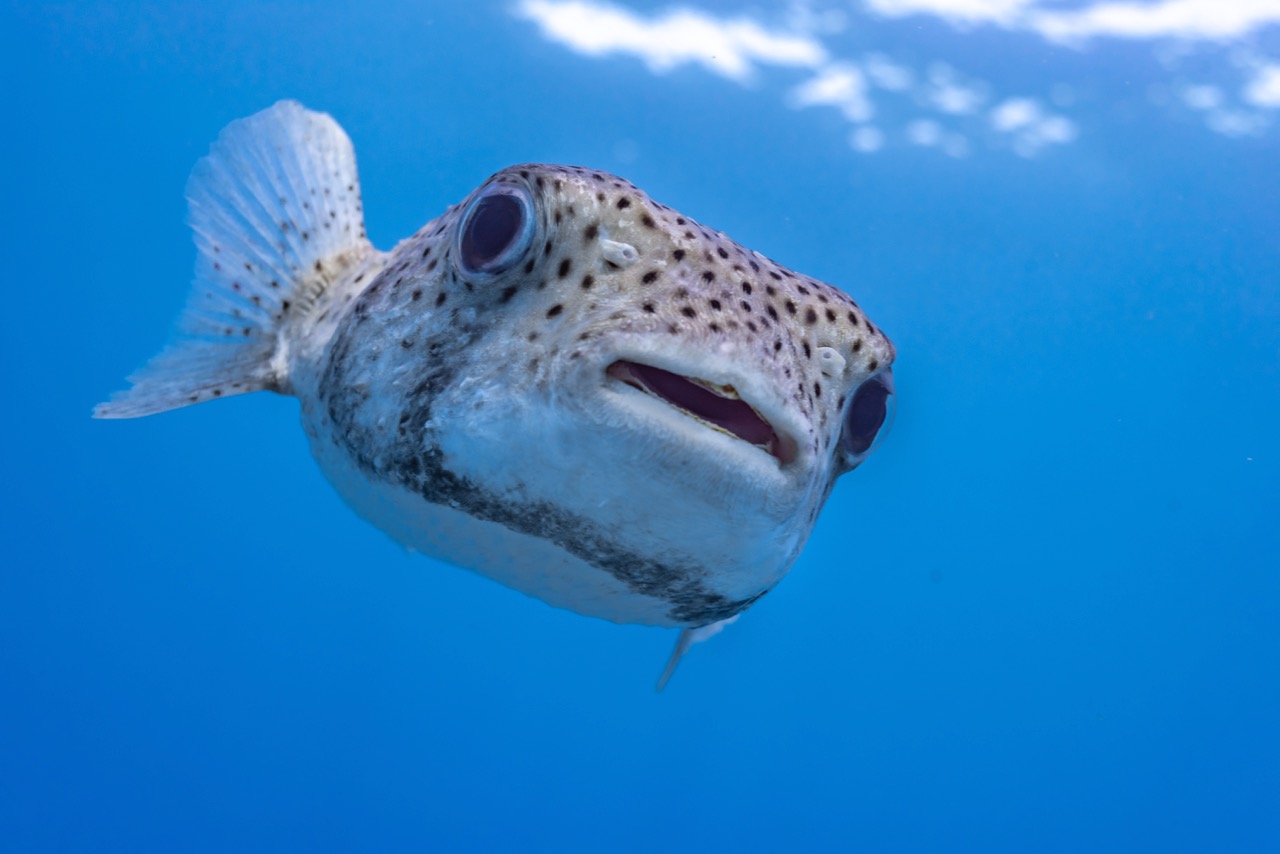
7. Pufferfish
Where: Tropical and subtropical waters
Toxin Purpose: Defense against predators
Also known as a blowfish, pufferfish make themselves unappealing to predators by ingesting water and swelling up to several times their size when threatened. Although they can’t inject the poison they possess, predators that eat these critters will get a nasty shock. Pufferfish contain tetrodotoxin, a potent neurotoxin that can cause numbness, paralysis and potentially fatal respiratory or cardiac problems if ingested.
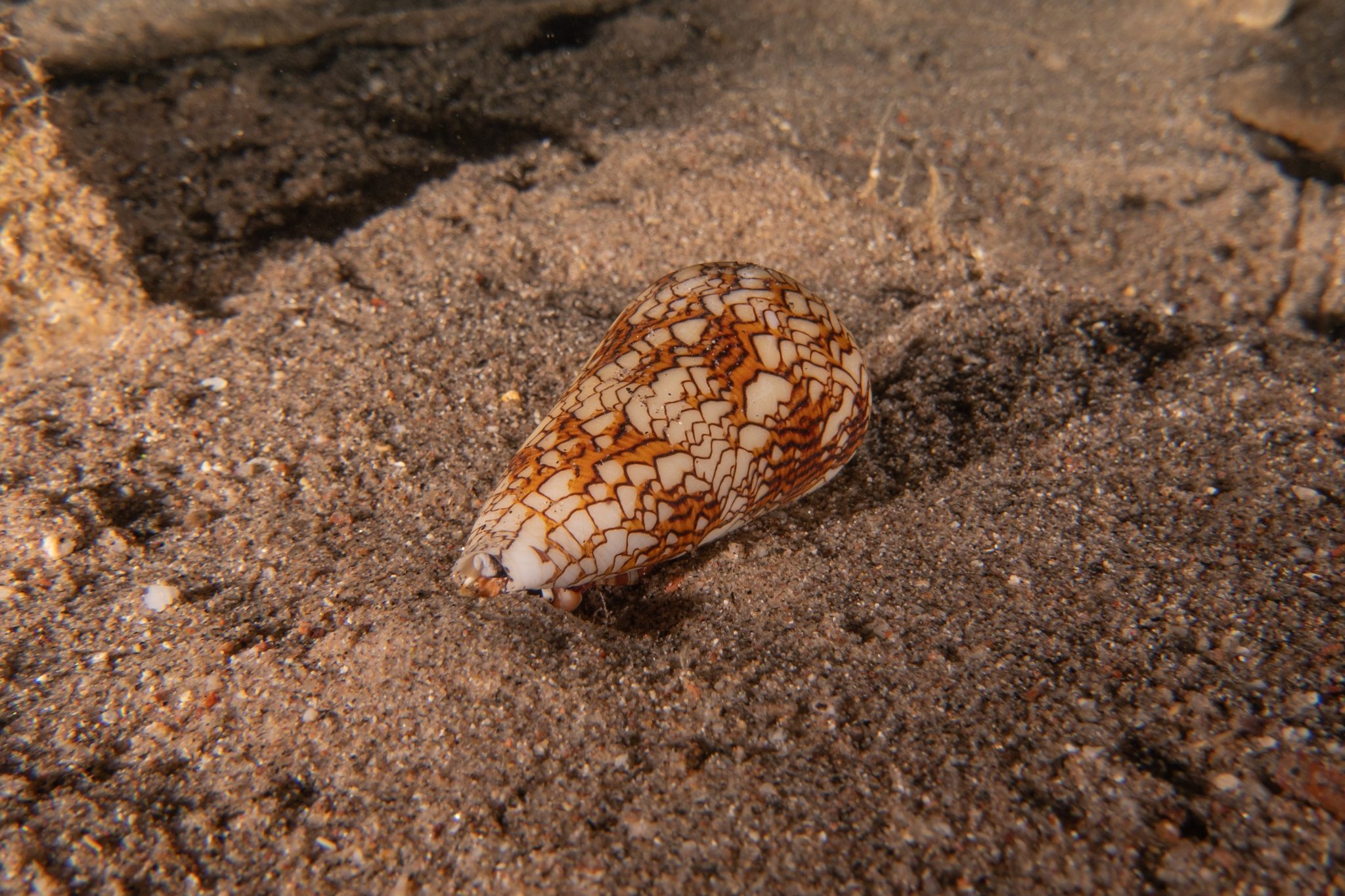
8. Cone Snail
Where: Indian and Pacific Oceans
Toxin Purpose: Immobilizing prey
Although they look harmless, some cone snails can deliver venom that is dangerous to humans. They use a specialized, hollow tooth to inject venom into prey, which typically includes mollusks. The tooth can be extended outside the shell to reach nearby prey. Cone snail venom can cause pain, swelling and tingling and, in severe cases, lead to paralysis, respiratory failure and death.
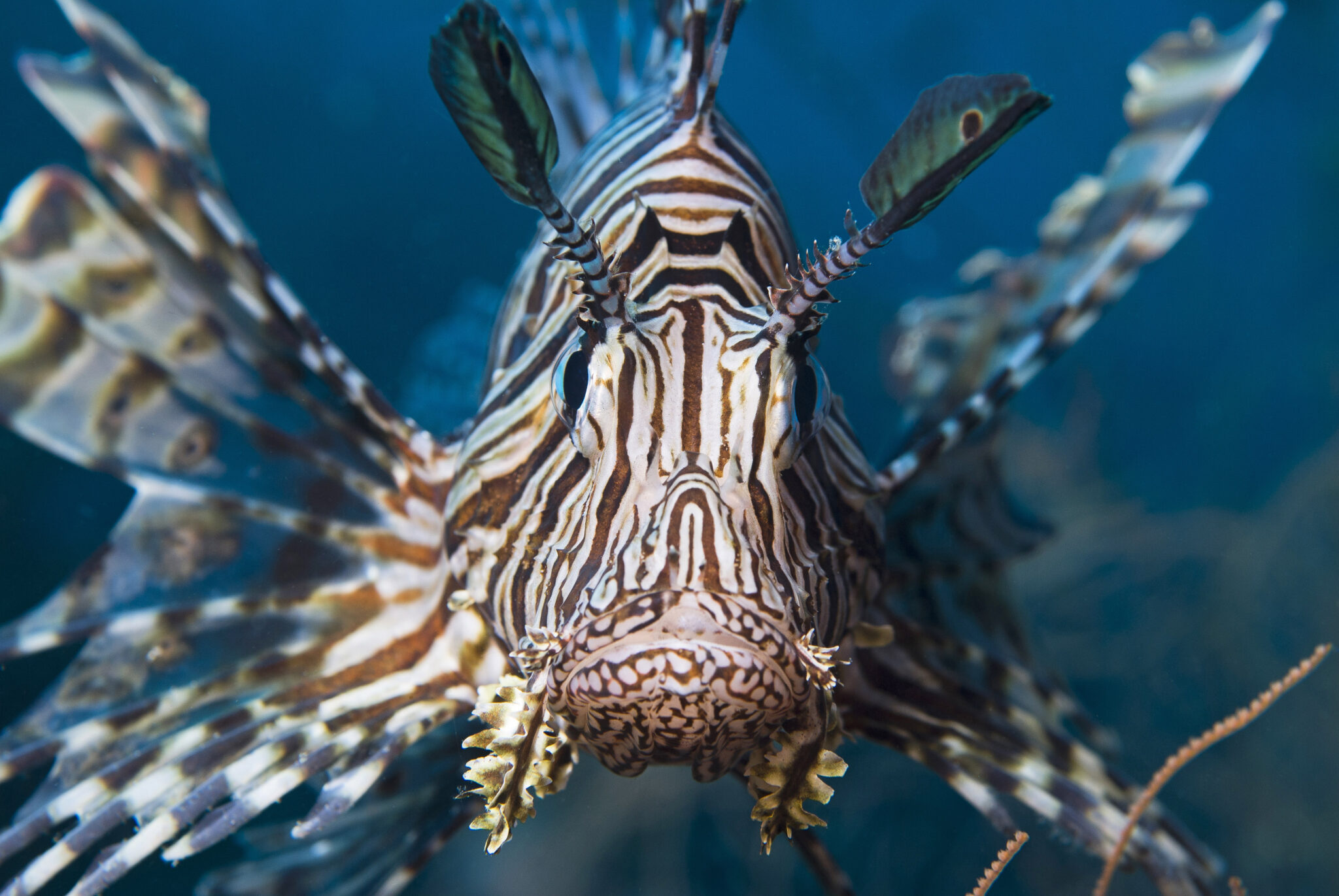
9. Lionfish
Where: Found worldwide
Toxin Purpose: Defense against predators
Lionfish are venomous fish found in tropical waters around the world. They are known for their striking appearance, with colorful fins and spines. Their venomous spines can cause intense pain and swelling and, in some cases, more serious reactions. In the Caribbean, lionfish are an invasive species that negatively impact native marine ecosystems.
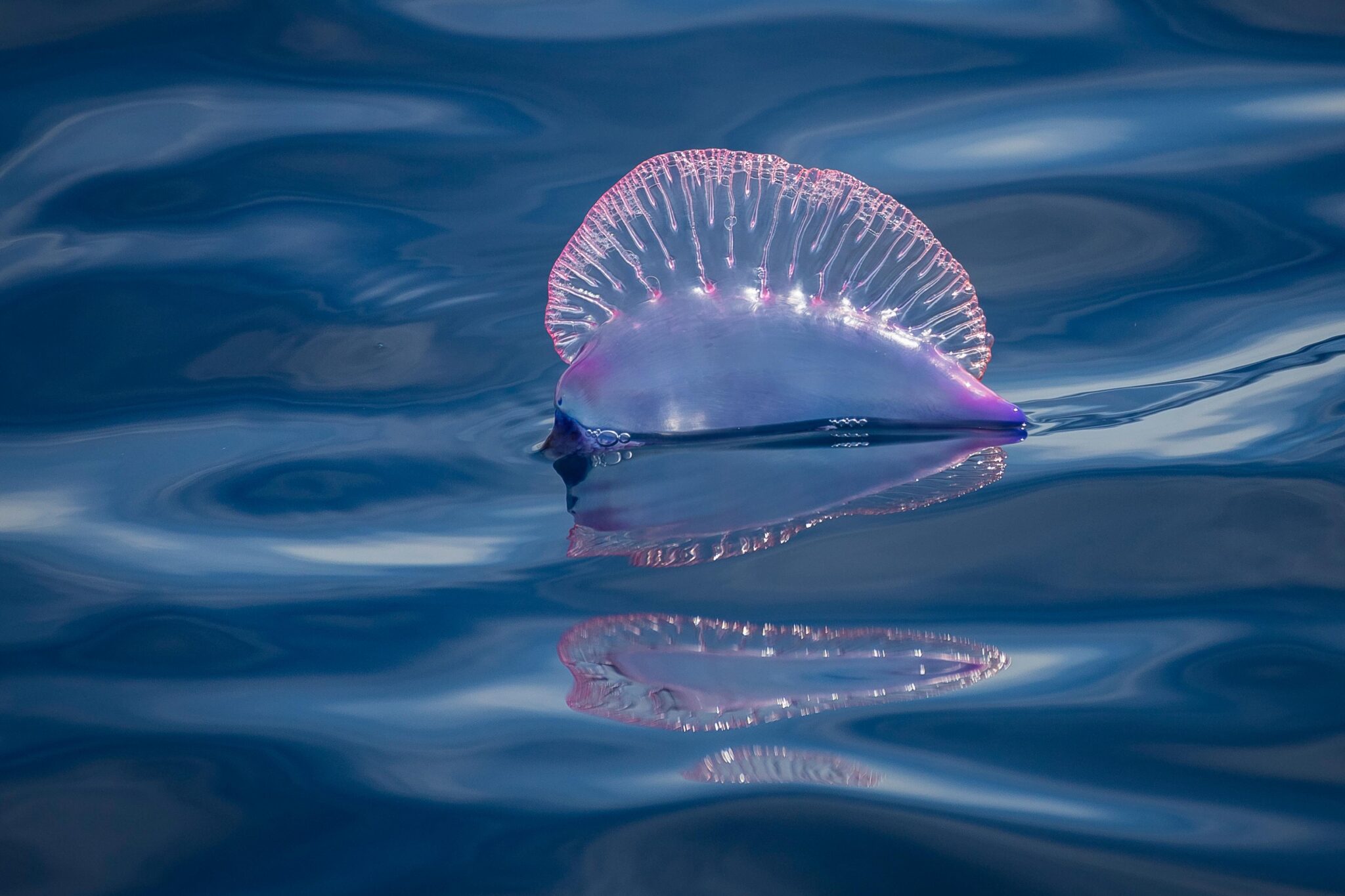
10. Portuguese Man O’War
Where: Worldwide
Toxin Purpose: Sting and paralyze prey
While many people think the Portuguese Man O’ War is a jellyfish, it is actually a siphonophore. Siphonophores are colonies made up of multiple specialized organisms called zooids that work together as one. The Portuguese Man O’ War’s long tentacles can reach up to 50 meters (164 feet) and deliver a painful sting that can cause welts, skin irritation and allergic reactions.
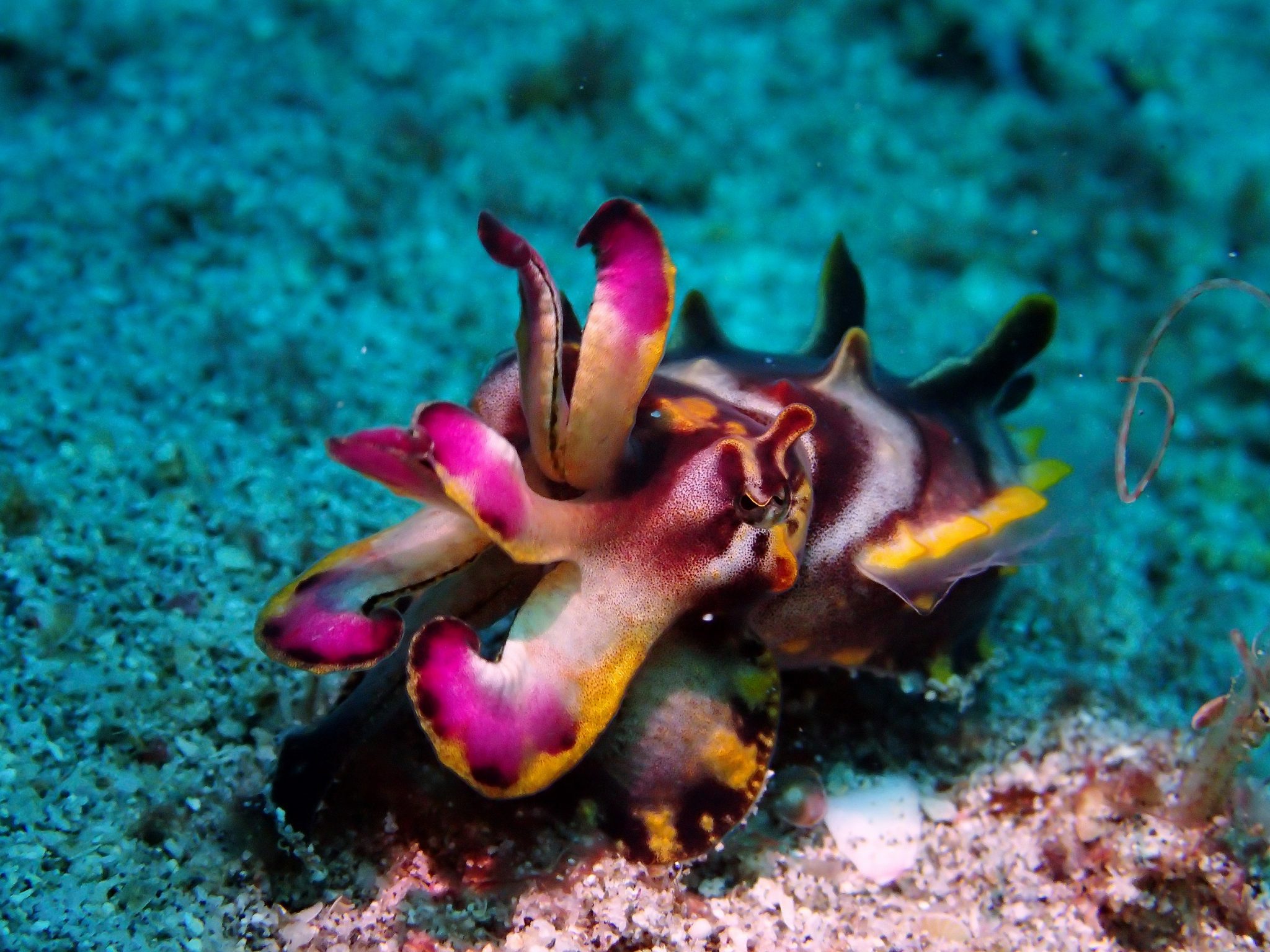
11. Flamboyant Cuttlefish
Where: Indian and Pacific Oceans
Toxin Purpose: Deter predators
Perhaps the most unique feature of the flamboyant cuttlefish is its method of movement, using its arms and fins to move along the seabed rather than swimming. Living up to its name, it uses flamboyant displays of color to communicate and deter predators. The flamboyant cuttlefish is also thought to contain toxins that may help deter predators, although its toxicity to humans is not well understood.
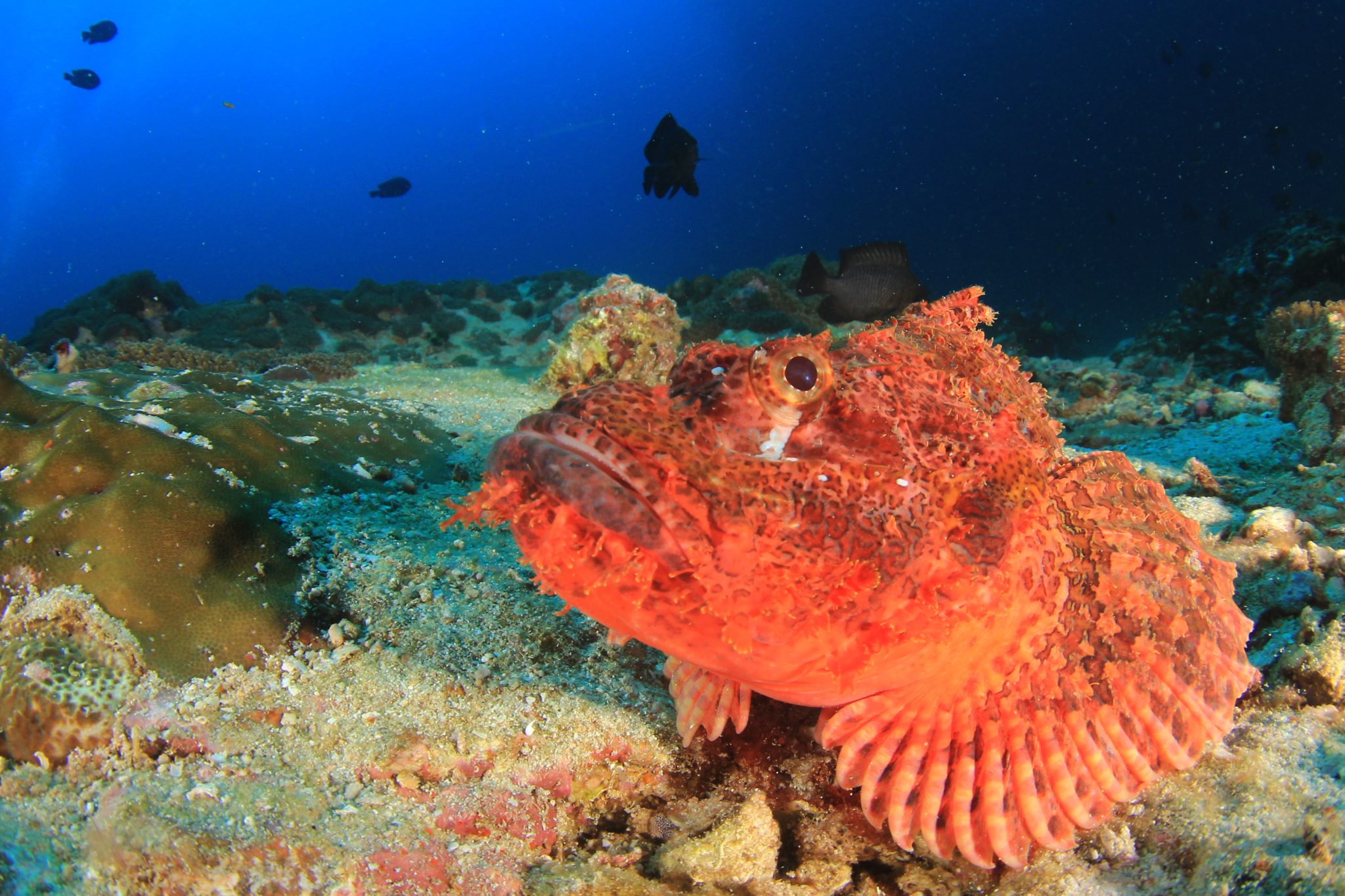
12. Scorpionfish
Where: Worldwide
Toxin Purpose: Defense against predators
Scorpionfish are masters of disguise, blending into coral reefs and the seafloor. If stepped on or otherwise disturbed, their sharp dorsal spines can inject venom, causing severe pain and swelling. In severe cases, envenomation can cause systemic effects, including shortness of breath and changes in heart rate and blood pressure.
Be Prepared for a Marine Life Emergency
If you get bitten or stung by any of these toxic creatures, seek immediate medical assistance.
The Emergency First Response® Primary and Secondary Care training teaches you what to do in the critical moments between when a life-threatening emergency occurs and when emergency medical services arrive. We also recommend contacting the Divers Alert Network (DAN) if you have been in contact with hazardous marine life.