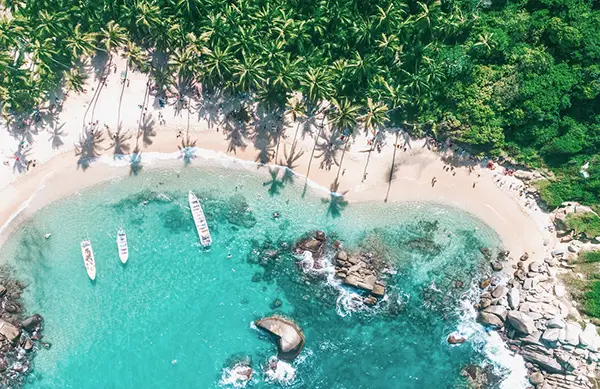
When most scuba divers think about taking their next PADI scuba diving course, they instantly imagine completing it in a tropical destination. Crystal-clear water, colorful marine life and warm conditions certainly make learning in these places appealing.
But some of the biggest benefits of continuing your dive education have nothing to do with idyllic landscapes and tropical temperatures.
Whether you’re looking to improve your scuba skills, discover new dive sites or connect with a new community of divers, completing your next course near your hometown comes with several unexpected benefits.
Here are five reasons to do your next scuba diving course locally.
1. Support Your Local Dive Shop
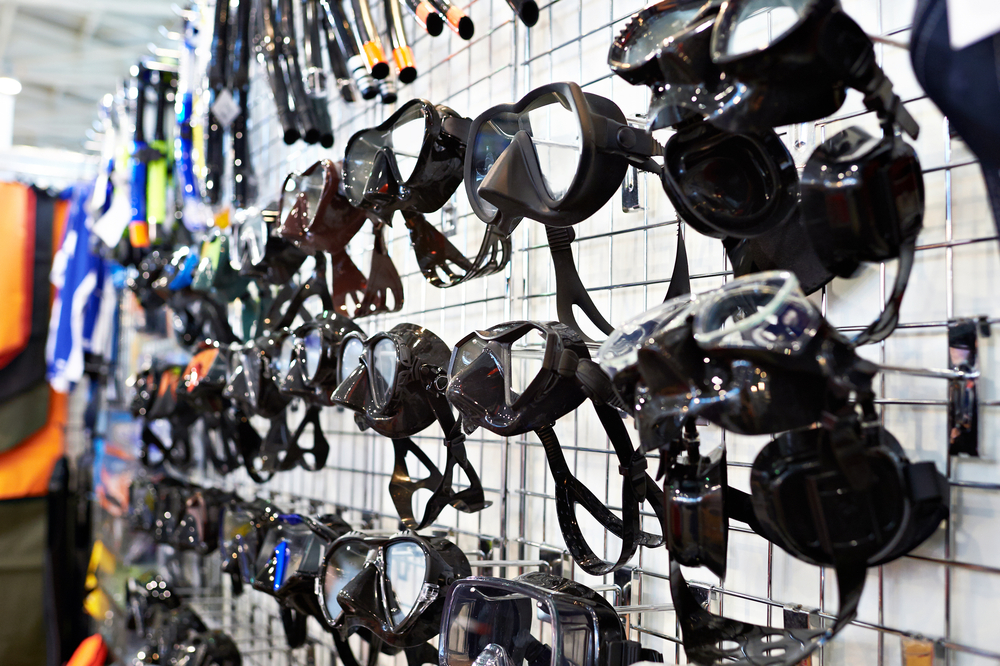
Your local PADI Dive Shop is an invaluable resource. They can fill your tanks, provide information about where to dive locally and offer advice on choosing the right dive gear. Plus, getting to know your local dive shop staff often leads to some fascinating (and sometimes) hilarious diving stories.
Whether you’re looking to improve your underwater photography, to learn more about local marine life or to return to the water after some time away, your local dive shop can help you with any of the above.
One of the easiest ways to support your local dive shop is to complete your next PADI course with them. You can choose between completing the entire course with your dive shop or doing the PADI eLearning® portion (if applicable) online before finishing the practical element with your local shop.
Alternatively, if you don’t have the time or the means to enroll in your next scuba course, here are other ways to support your local dive center.

2. You Might Already Be Close to World-Class Diving
Most divers begin their scuba diving journey in a tropical environment. We get it – the sunshine, turquoise blue waters and tropical marine life are hard to beat. However, some divers mistakenly assume great diving only exists in tropical destinations. In reality, some of the world’s top dive sites are found in cooler waters. Chances are that remarkable underwater environments are closer to home than you realize.
British Columbia, California, South Africa, New Zealand and Argentina are just a few of the world’s best diving destinations that require something more than a shorty for thermal protection. If you’re a certified diver in one of these locations, what are you waiting for? If you live elsewhere, you’ll likely be surprised by the remarkable dive sites waiting to be discovered close to home. Lakes, rivers and quarries shouldn’t be underestimated.
Many of the destinations listed above don’t even require a dry suit. But depending on how much natural “bioprene” you have, a dry suit can definitely make dives in more temperate waters more comfortable. Ask your local dive shop about the Dry Suit Diver Specialty course to find out if it’s right for you.
3. Learn at Your Own Pace
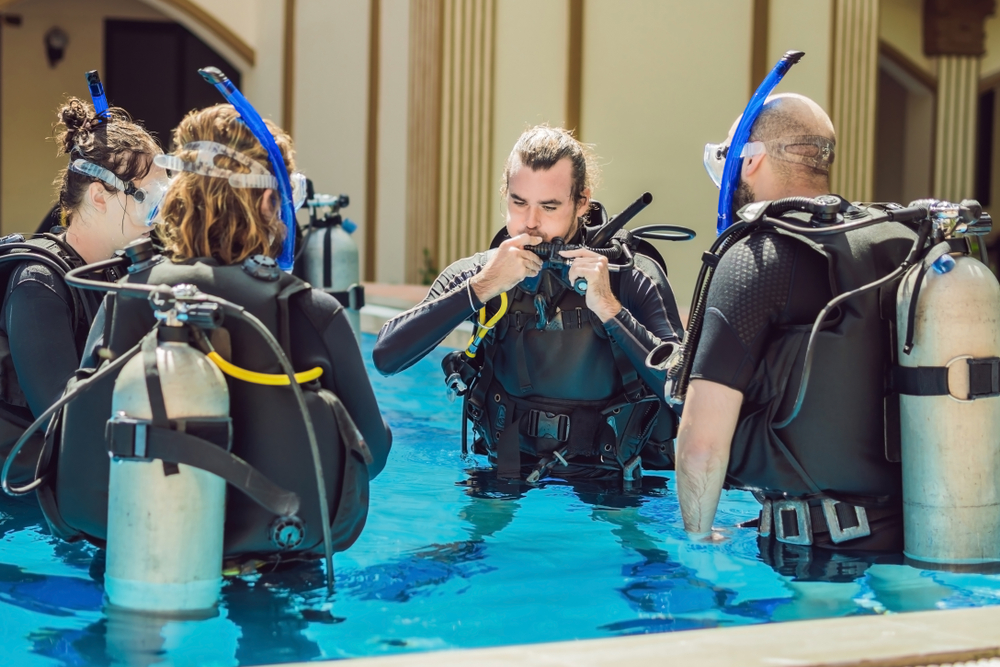
Weather changes, stuffy noses and upset stomachs are just a few of the things that can derail a scuba course when you’re far from home. In these time-dependent situations, there’s often not much you can do besides hope the problem goes away before it’s time to leave.
By completing your course locally, you can take some of the pressure off. If something comes up, your local dive center can work with you to reschedule.
Diving locally also gives you more time to hone your skills, build confidence and enjoy the learning process.
Click to display the embedded YouTube video
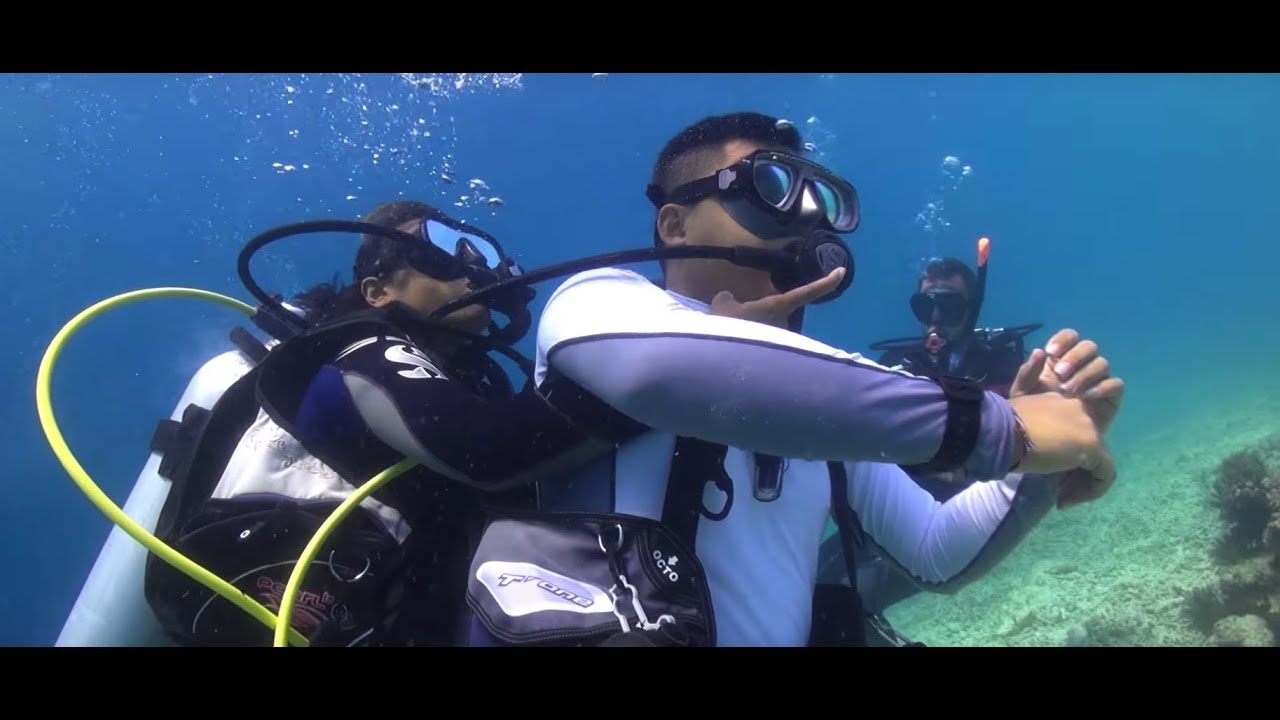
The PADI Rescue Diver course is a particularly good option if you don’t live in a year-round diving destination. Much of the course training can take place in a swimming pool, which may sound a little boring, but it’s actually serious fun. Ask any diver who has completed the course and there’s a good chance they’ll tell you it was their favorite.
For instance, the course involves several role-playing scenarios. This requires your fellow divers to use their acting skills to play the part of diver in distress — cue hilarity. As you navigate some terrible acting, you’ll also learn to manage and avoid problems. By the end, you’ll have new friends and greater confidence in your diving abilities.
4. Get To Know Your Local Dive Sites
After someone finds out you’re a scuba diver, the most common follow-up question is, “Where do you dive around here?”
At this point, vacation divers sheepishly confess that they only dive in tropical water when they’re on vacation.
The alternative? Answering with confidence as you share stories about your favorite local dive sites and the marine life you’ve encountered there.
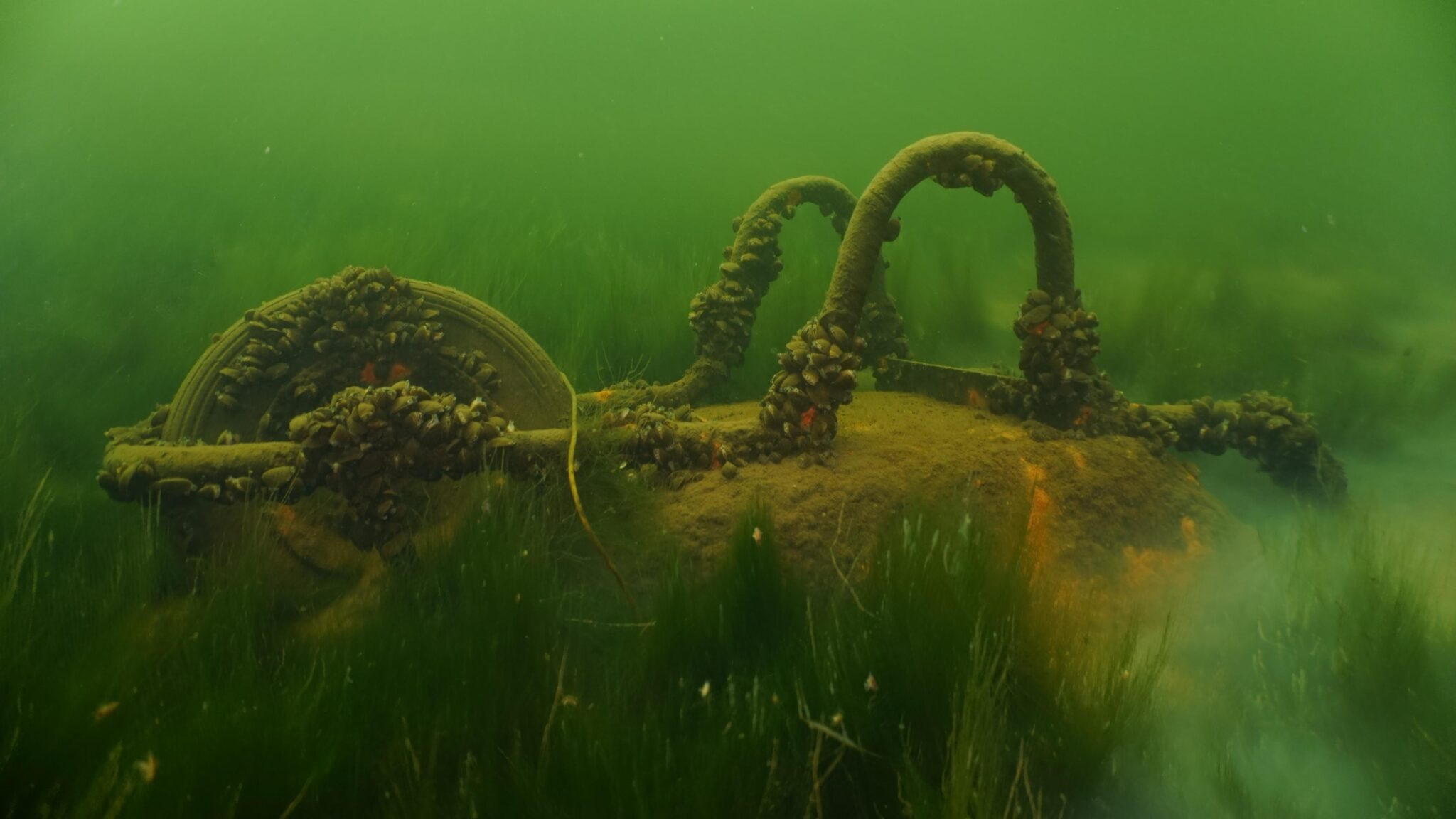
Choosing to complete your course locally gives you the opportunity to become genuinely familiar with the dive sites in your area. Instead of waiting for your next vacation to get underwater, you’ll gain the knowledge and confidence to explore local lakes, rivers, quarries, reefs and shore dives whenever the opportunity arises.
5. Become Part of Your Local Dive Community
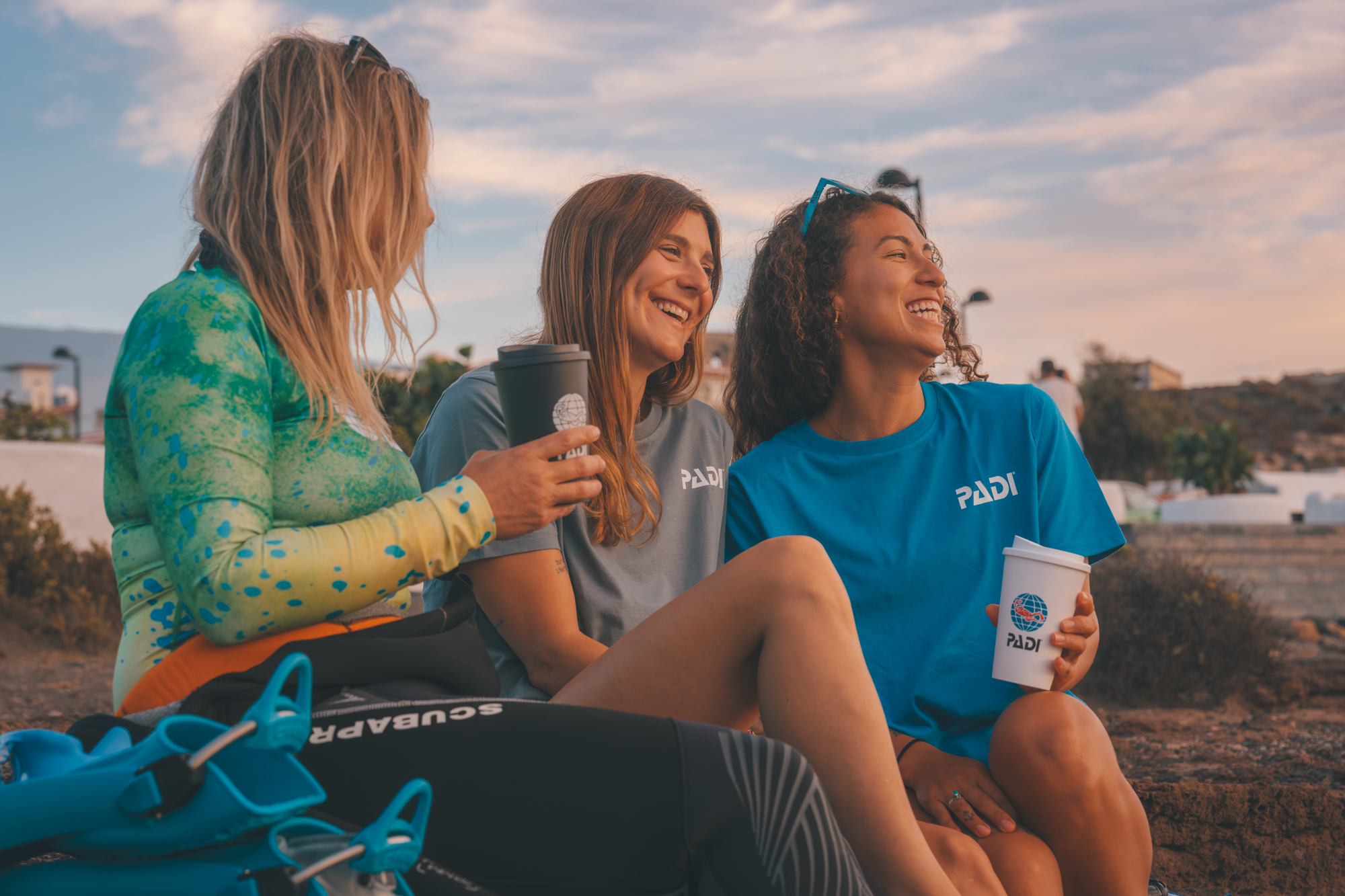
The biggest obstacle to diving is rarely the motivation or place to do it — it’s having people to dive with. The biggest benefit to completing a course locally is the wealth of new connections you’ll make along the way.
Not only will these new connections lead to future dive buddies, they can result in more chances to dive locally, too. You’ll also hear about local dive trips, conservation events and other opportunities to get involved in the dive community. This benefit extends long after you’ve earned your certification card. The people you meet during a local course may become the reason you continue diving for years to come.
Dive shop staff are also a valuable source of local knowledge and can help connect you with events, trips and opportunities to gain more experience in the water. If you’re looking for even more ways to stay connected, joining PADI Club is an easy way to become part of the world’s largest global community of divers.
Ready To Take Your Next Course Locally?
Completing your next course locally can do far more than help you earn another certification. It improves your skills, introduces you to new dive sites, connects you with like-minded divers and helps you become a more active member of your local dive community.
If you’re ready to get started, find your local PADI Dive Center and begin planning your next underwater adventure today.