
Whether you’re curious about how scuba gear works or thinking about learning to dive, we’ve got the answers you’re looking for. In this article, we’ll explore the science that makes it possible to breathe underwater and the essential equipment that makes it happen. Even if you’re already a certified diver, it never hurts to learn more, and you might discover a surprising fact or two.

Why Can’t Humans Breathe Underwater?
It may seem like a silly question to ask, but why can’t humans breathe underwater? The answer is not “because there’s no oxygen.” Water (H2O) contains oxygen, and fish breathe oxygen gas (O2) underwater just fine. The issue is that humans cannot absorb oxygen directly from water. Our lungs are designed to extract oxygen from air.
So, how can we make oxygen available to us underwater so we can breathe? One possible answer would be for humans to evolve fish-like gills organs that allow us to access the oxygen in the water. However, this is not currently a possibility, except in fictional Hollywood movies. A realistic answer is to take a breathing system that provides oxygen-containing, breathable gas underwater at the correct pressure, allowing us to breathe normally.
This is where Self-Contained Underwater Breathing Apparatus comes in. You may be more familiar with its acronym: SCUBA.
What Does “Scuba” Actually Refer To?
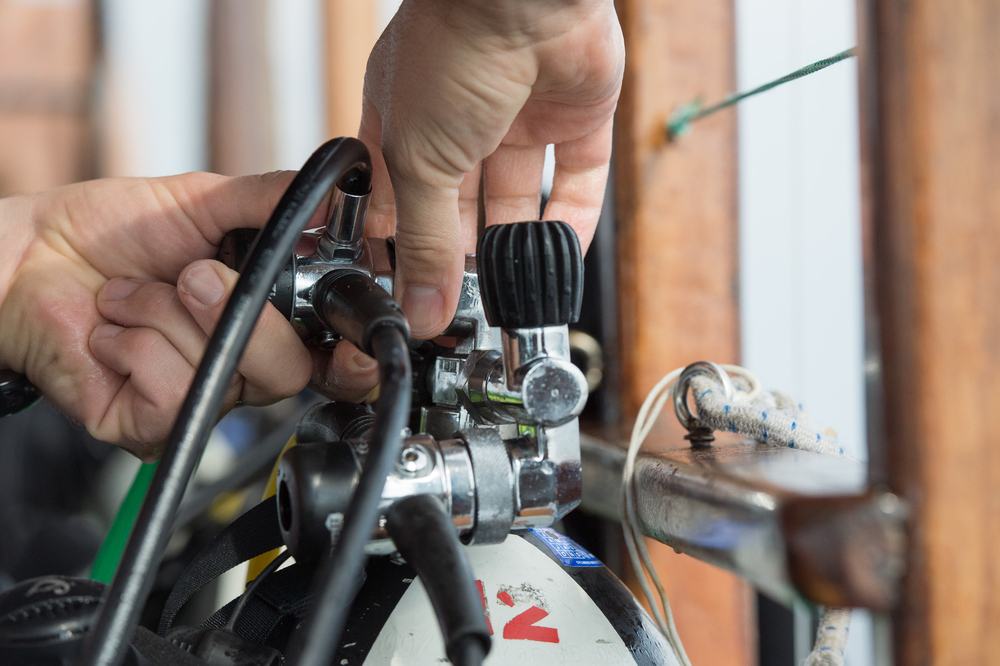
In its purest form, “scuba gear” refers to the core system required for the act of breathing underwater. This includes three parts:
- Tank (Cylinder) – Stores compressed gas for breathing.
- Regulator – Reduces (regulates) the high-pressure air in the cylinder to ambient pressure for comfortable inhaling.
- Demand Valve – A smart mechanism that ensures air is only delivered when the diver inhales.
Together, these parts create a self-contained system that supplies on-demand, breathable gas, allowing scuba divers to breathe comfortably underwater — even at depth.
So, in the most technical sense, “scuba” refers to a portable gas supply and a pressure-reduction system to allow divers to breathe underwater. However, while these essential items would let you breathe underwater, divers would quickly find limitations to underwater exploration using only this equipment. This is why scuba gear usually includes other essential items, such as:
- Buoyancy Control Device (BCD)
- Gauges (Pressure/Depth)
- Dive Computer
- Scuba Wetsuit
- Mask
- Fins
- Weighting System
Together, this scuba gear allows divers to stay safe, comfortable and controlled when exploring the underwater world.
Let’s take a closer look at how some of these key pieces of equipment actually work.
How Do Scuba Tanks Work?
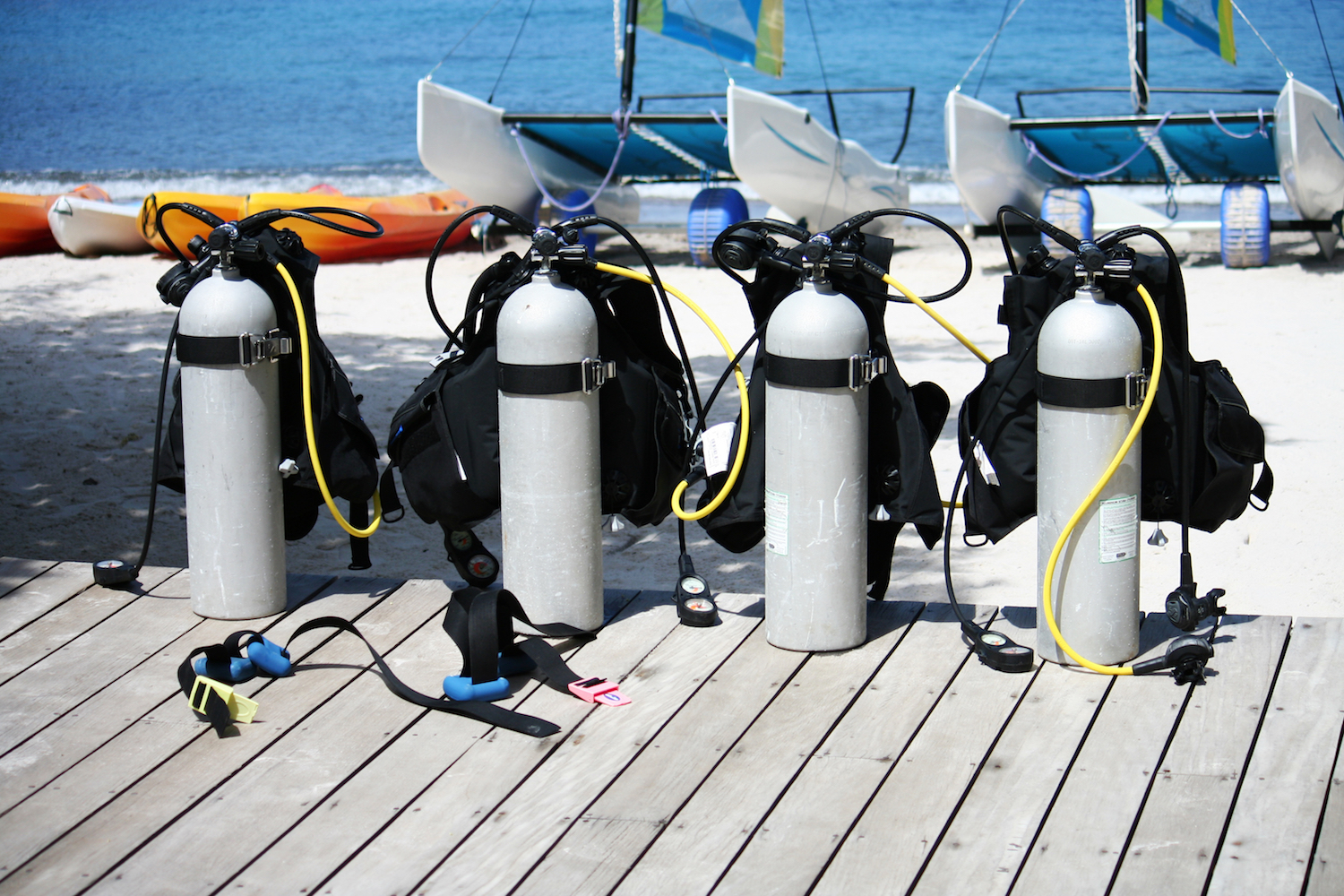
Also known as cylinders, scuba tanks are typically made of aluminum alloy or steel. They can be filled with compressed air or a special mix of breathing gases. Most scuba tanks can handle between 200 bar/3000 psi and 234 bar/3400 psi. “PSI” stands for pounds per square inch, and “bar” is the metric equivalent.
Tanks are filled through a cylinder valve at the top. This is also where the regulator attaches to the tank. Each cylinder valve has an O-ring that creates a seal between the tank valve and the regulator. Valves also have a thin copper disc known as a burst disc, designed to rupture and let air escape if pressure inside the tank gets too high.
The most common cylinder is the aluminum 80, which holds approximately 11 liters (80 cubic feet) of compressed gas. There are many other cylinder sizes available, depending on your dive needs. Learn more about the different sizes and types of scuba tanks and how to choose the best one.
And remember, never call a scuba tank an oxygen tank — find out why here.
How Do Scuba Regulators Work?
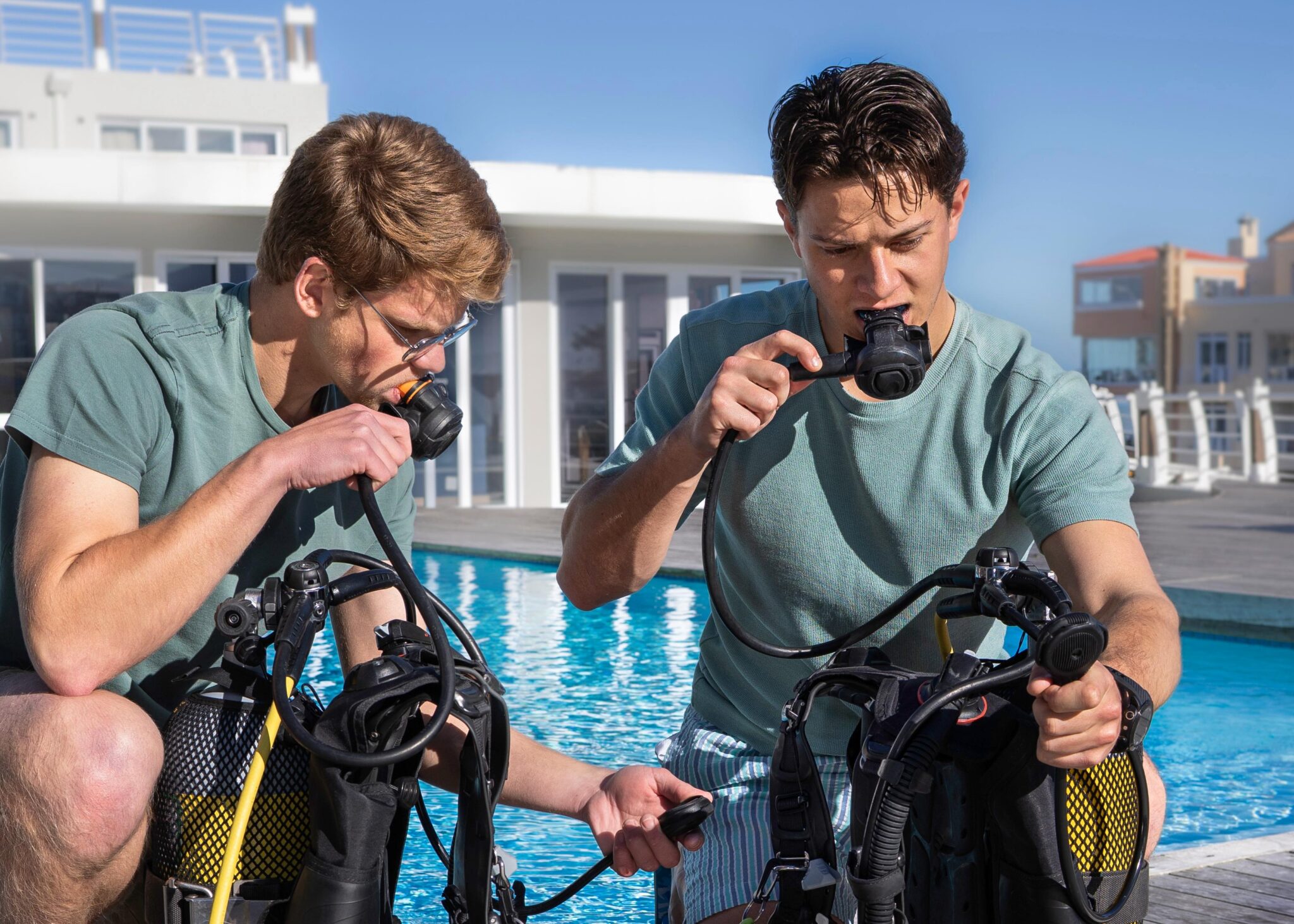
The primary function of a scuba regulator is to convert the high-pressure gas inside a scuba tank to a safe, breathable level. This is a two-part process.
The “first stage” of a regulator attaches to the scuba tank valve and reduces the high-pressure gas coming from the tank to an intermediate pressure level. It isn’t particularly complicated to look at, but a lot is going on inside.
A low-pressure hose connects the first stage to the diver’s mouthpiece, also known as the second stage. The second stage further reduces the air to ambient pressure, matching the surrounding water pressure, so the diver can breathe normally. Then the diver is able to exhale through the mouthpiece into the water.
Inside the mouthpiece is a diaphragm that allows air to flow only when the diver inhales. This prevents air from constantly shooting into your mouth when you’re diving. Rarely, a regulator may “free flow” underwater, but the Open Water Diver course explains how to handle this and other situations you may encounter.

How Do BCDs Work?
As the name suggests, a buoyancy control device (BCD) gives divers control over their buoyancy. Whether you want to float on the surface or maintain your position above the sea floor, a BCD puts this control in your hands.
Jacket-style BCDs are most common for recreational scuba diving, although other styles do exist. These BCDs sport adjustable straps and buckles with a larger adjustable tank band over a sturdy back plate. They also feature an expandable bladder, a low-pressure inflator, an oral inflation mechanism, a deflator mechanism and one or more overpressure valves.
By adjusting the amount of air inside the bladder, divers are able to adjust their position in the water.
How Do Dive Computers Work?
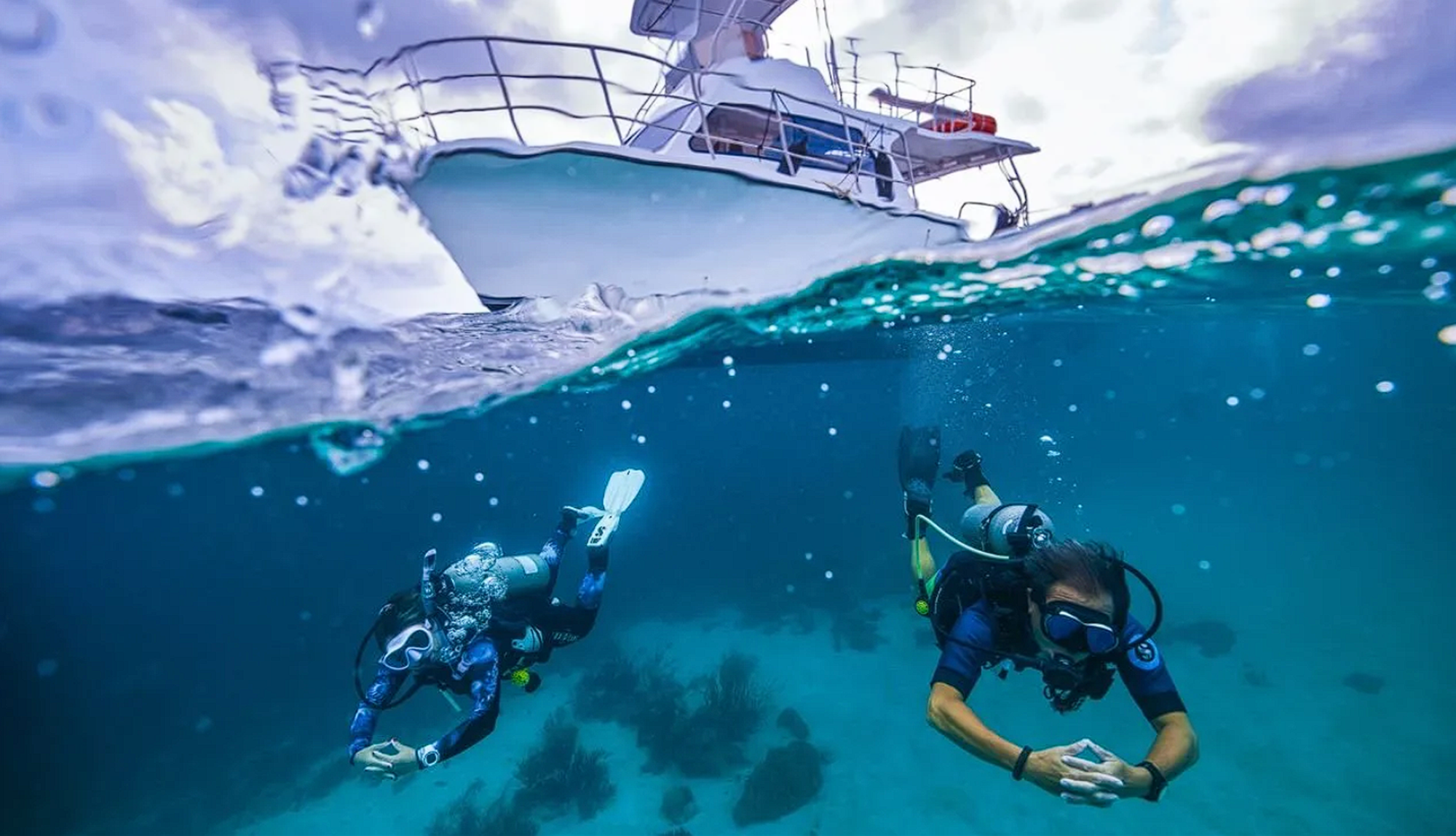
If you’ve completed the PADI Open Water Diver course, you may remember learning how to use dive tables to work out important dive planning information, such as decompression limits and required surface intervals. Dive computers do this work for you.
By measuring depth through pressure sensors and tracking your time underwater, dive computers provide helpful, real-time information. This includes your nodecompression limit, whether you’re ascending or descending too quickly, dive length and average depth.
Dive computer settings can also be adjusted for diving with different types of air, such as Enriched Air (Nitrox), and some advanced models feature air integration systems to display how much air is left in your tank.

Learn More About How Scuba Gear Works
If you’re holding off from becoming a certified diver because the equipment seems daunting, don’t worry. The PADI Open Water Diver course is designed to help you become familiar with scuba gear before you use it underwater.
If you’re already a certified diver and want to geek out on gear, the PADI Equipment Specialist course is made for you. During the course’s eLearning, you’ll explore interactive equipment diagrams and watch behind-the-scenes videos from scuba equipment manufacturers. The in-person training then covers basic repairs, adjustments and general maintenance. You may also learn about and try out different types of gear.