

When PADI was founded back in 1966, scuba diving was considered an extreme sport, and scuba classes were physically grueling. Some instructors required students to do push-ups while wearing their scuba gear. Others placed a tank in each corner of the pool and made students swim from one to another and take hits of air directly from the tank valve.
However, two friends, John Cronin and Ralph Erickson, set out to make scuba diving more accessible. They founded a new training organization based on professionalism and a commitment to safety rather than feats of strength and stamina. Sixty years later, in 2026, PADI celebrates its 60th anniversary. Below are some highlights from the past 60 years.
From Humble Beginnings to a Global Brand

PADI issued its first certification in 1967 from a modest building in Illinois, USA. A year later, PADI introduced the industry’s first Positive Identification Card (PIC), which included a photo alongside certification details.
Adding a photo to the certification card simplified equipment rentals and air fills, because a separate photo ID was no longer necessary. You may be surprised to learn that back in the 1960s, even most driving licenses did not have a photo. Before long, all scuba certification cards included the diver’s photo.
PADI printed its five millionth certification card in 1994. As of 2026, PADI has issued more than 30 million certifications and is the most recognized scuba diving brand. Eight out of ten scuba divers choose PADI, a testament to the organization’s reputation for high professional standards and valuable training materials.
The Way the World Learns to Dive
PADI educational materials have evolved over the years to:
- Improve safety
- Keep pace with technology
- Accommodate different learning styles
For example, when PADI launched its modular scuba course in 1978, it included audiovisual elements and cutting-edge instructional design. Previously, scuba training was heavy on theoretical knowledge and skills required by the military.
PADI’s new training program made learning to dive more fun and less time-consuming while improving safety. Put another way, even though more people were learning to dive, scuba diving fatalities decreased significantly.
The PADI Rescue Diver course, introduced in 1984, was another watershed moment for training and safety. Prior to PADI’s Rescue Diver course, rescue skills were diluted into other courses or offered as an optional specialty. Rescue Diver became a core PADI course, meaning divers can’t move up the recreational diving ladder without taking it.
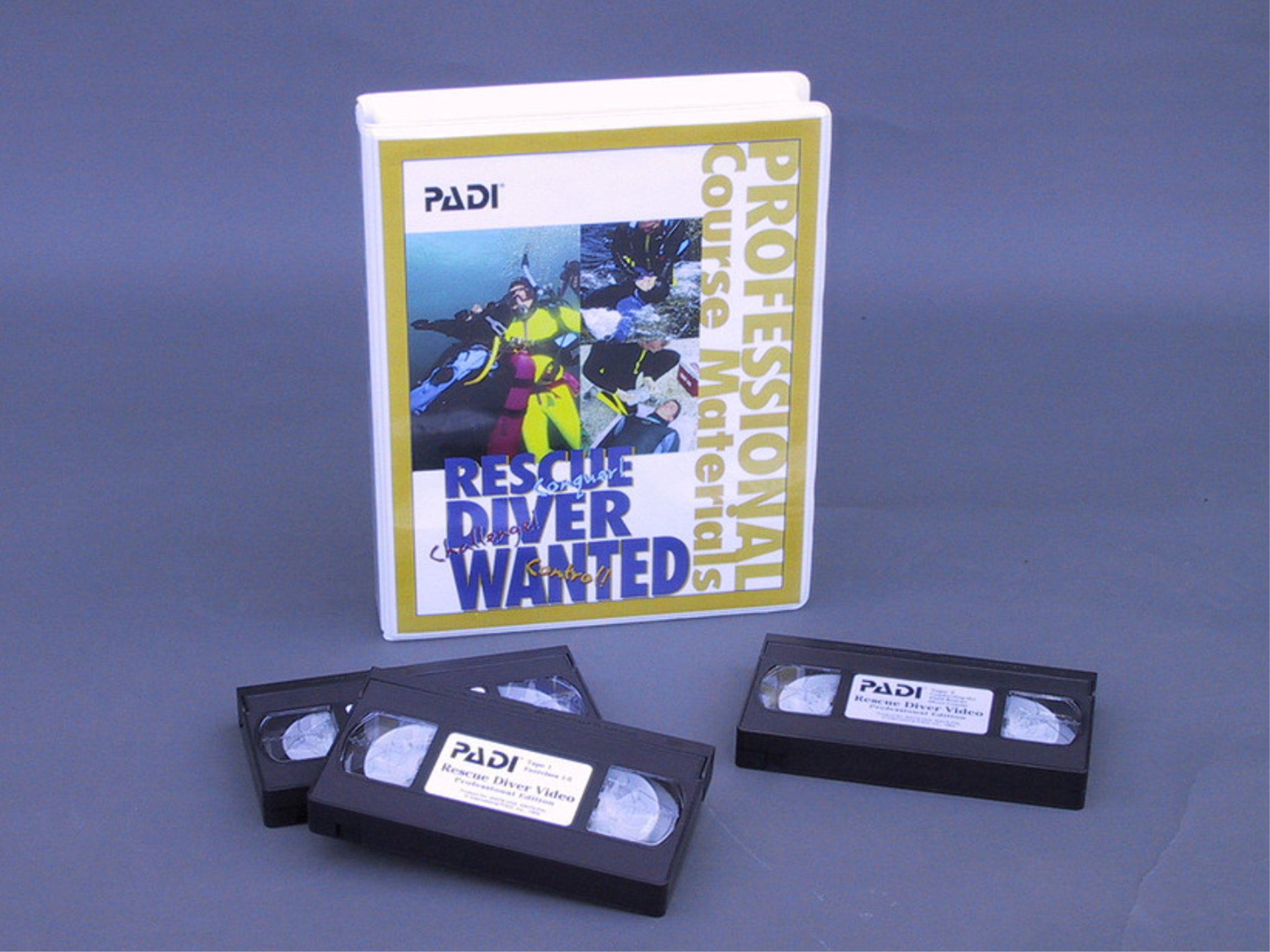
Other notable educational achievements include:
- 1988 – PADI publishes The Encyclopedia of Recreational Diving, the first comprehensive book about diving physics, physiology, equipment and the underwater environment created specifically for recreational divers.
- 1991 – PADI is the first training organization to offer videos for its entire range of courses.
- 2007 – PADI eLearning® launches. Divers can pursue dive training anytime, anywhere.
A Comprehensive Course Catalog
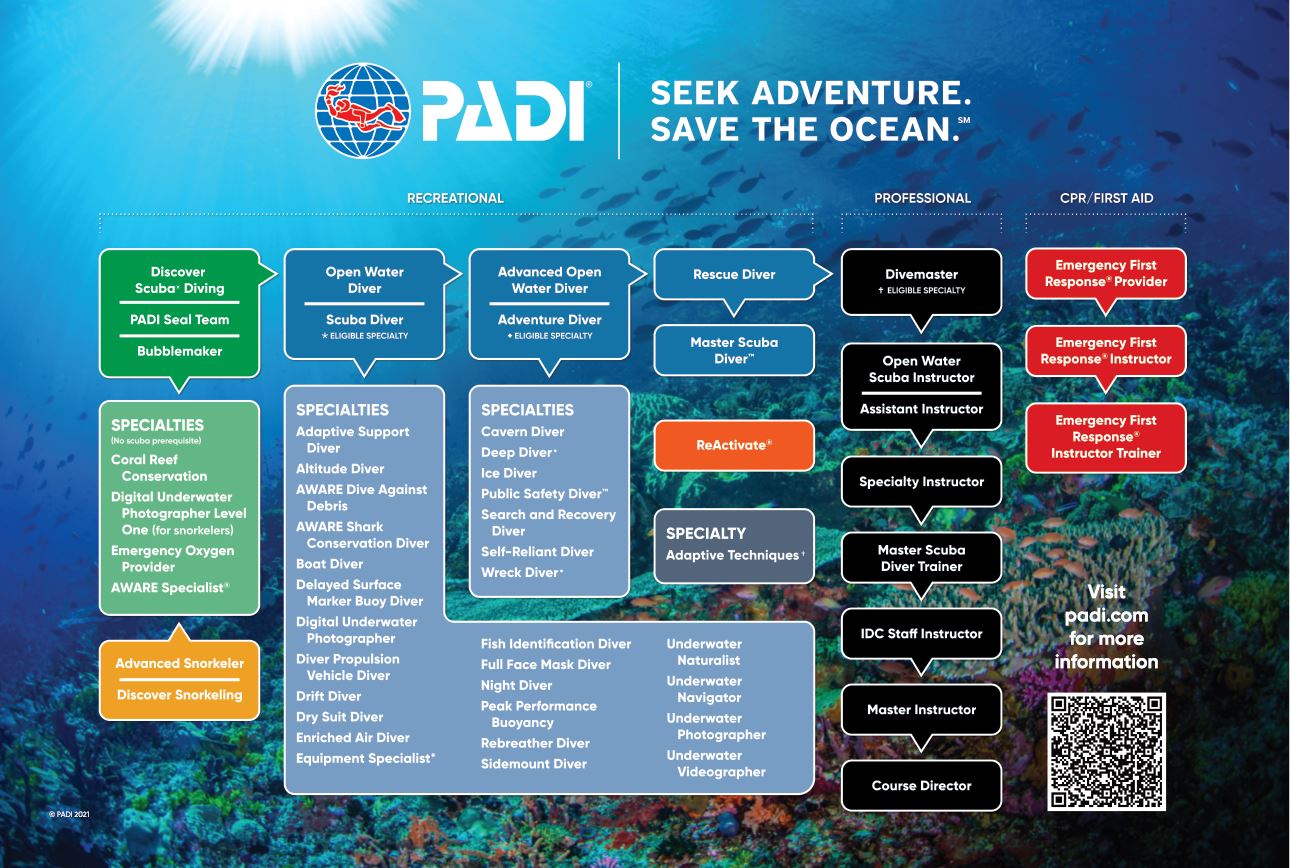
Throughout the 1990s and 2000s, PADI significantly expanded its course offerings. Notable examples include:
- Enriched Air (Nitrox) Diver (1995) – The Specialty was controversial at first, but it soon became PADI’s most popular Specialty course.
- PADI TecRec® (2000) – This set of courses opened the door to technical diving. Today, there are 18 TecRec courses available, in addition to recreational rebreather courses.
- PADI Seal Team™ (2001) – The Seal Team program allows kids eight and older to try different scuba activities (AquaMissions) in a pool or confined water environment. The program was updated in 2025 to include Mermaid and Freediving AquaMissions in addition to classic favorites, like Night Specialist and Snapshot Specialist.
Making Diving More Inclusive
PADI’s deeper purpose is to make the underwater world accessible to as many people as possible. Its educational materials are available in 27 languages, and PADI has led the industry in adaptive diving.
In 2017, PADI introduced the Adaptive Support Diver Specialty course as well as the Adaptive Techniques Specialty for PADI Professionals. Then, in 2024, PADI introduced the Adaptive Service Facility designation for dive centers and resorts that offer services and infrastructure for people with physical, psychological or mental challenges.
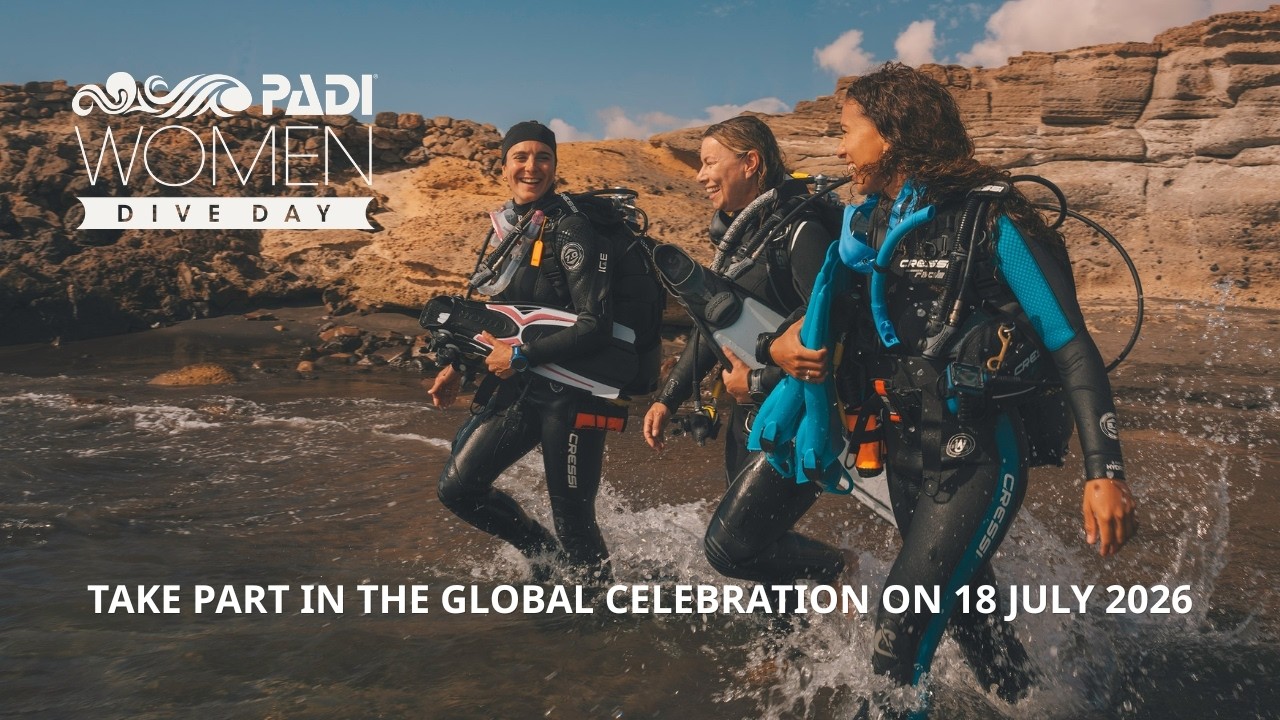
Furthermore, PADI Women’s Dive Day has influenced a shift in diving demographics. Since 2020, 40% of scuba certifications are now issued to women (compared to less than 33% when Women’s Dive Day launched in 2015).
Click to display the embedded YouTube video
Protecting Our Blue Planet
Since 1992, the PADI AWARE Foundation® has distributed more than USD $5.7 million in funding to local conservation projects. Its grant funding supports the creation of new Marine Protected Areas (MPAs), coral restoration initiatives, marine species protection and other programs that advance the PADI Blueprint for Ocean Action.
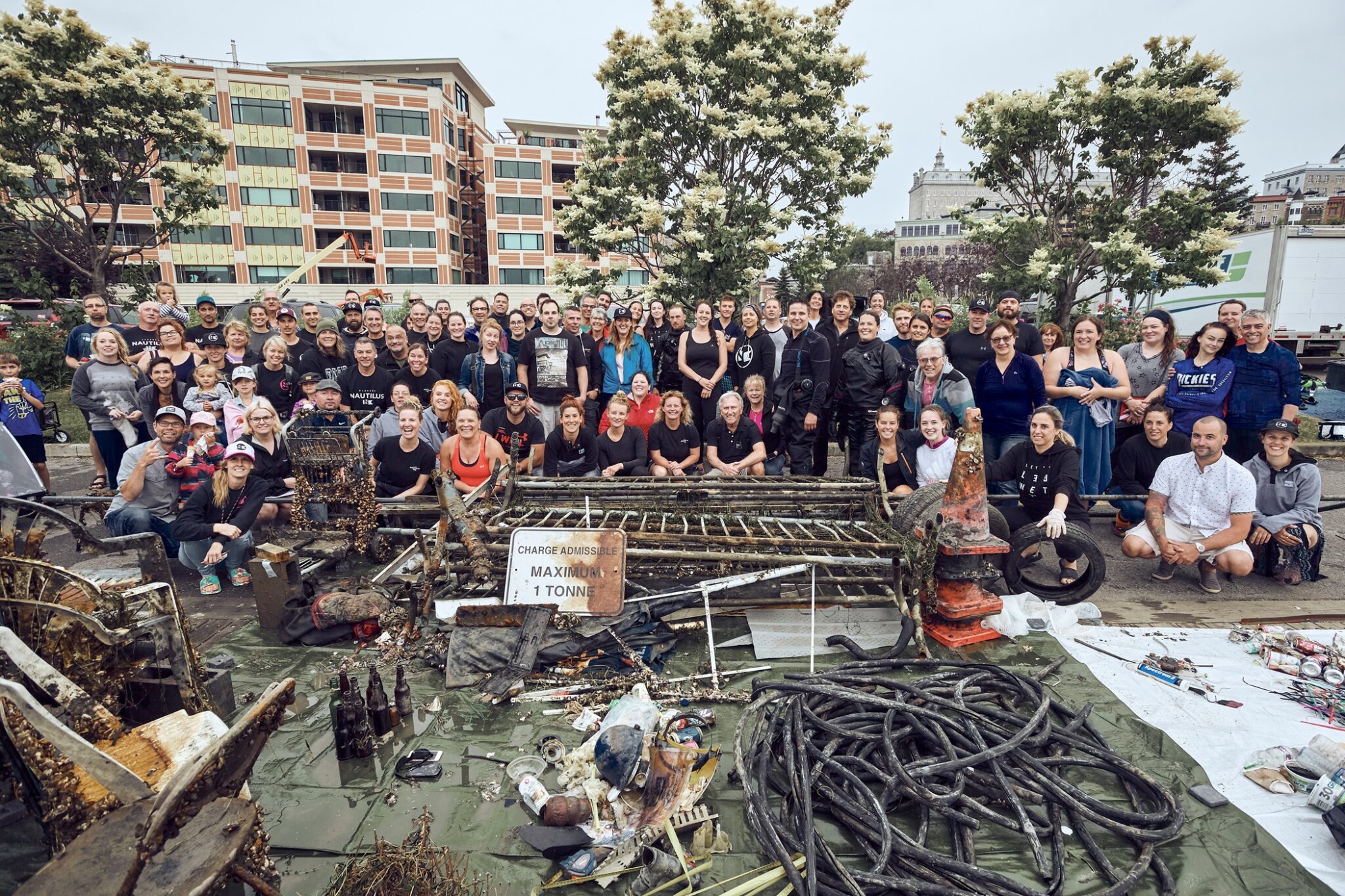
Data from the Dive Against Debris® initiative, launched in 2011, led to single-use plastic bans in Australia and Vanuatu. Divers and other Ocean Torchbearers collect marine debris and add their findings to a database used by researchers and conservation advocates. As of this article’s publication date, more than 2.3 million pieces of marine debris have been collected and recorded.
In 2023, PADI created the PADI Eco Center designation in collaboration with the UN’s Reef-World Foundation. Just over two years later, more than 100 PADI Dive Centers and Resorts in 34 countries have met the criteria to become PADI Eco Centers. These locally-owned businesses go above and beyond to protect their local waterways and make business decisions based on eco-friendly principles.
In 2024, PADI’s ecotourism initiatives were recognized by Condé Nast as one of the “Bright Ideas in Travel.” The same year, PADI was honored by Fast Company as one of the Top 5 Most Innovative Companies in the Travel, Tourism and Hospitality category.

The PADI Family
Today, there are more than 128,000 PADI Professionals and 6,600 PADI Dive Shops across 184 countries and territories. PADI Divers are truly spoilt for choice!
In addition to being the heart of their diving community, PADI Dive Centers and Resorts are the experts behind PADI Dive Guides®, an online resource for divers around the world.
PADI Club™, a global community of ocean enthusiasts, hosts special members-only events at world-class diving locations and online. PADI Club members also receive special discounts, such as 20% off select PADI eLearning programs, free access to PADI’s online scuba refresher course PADI ReActivate® and more.
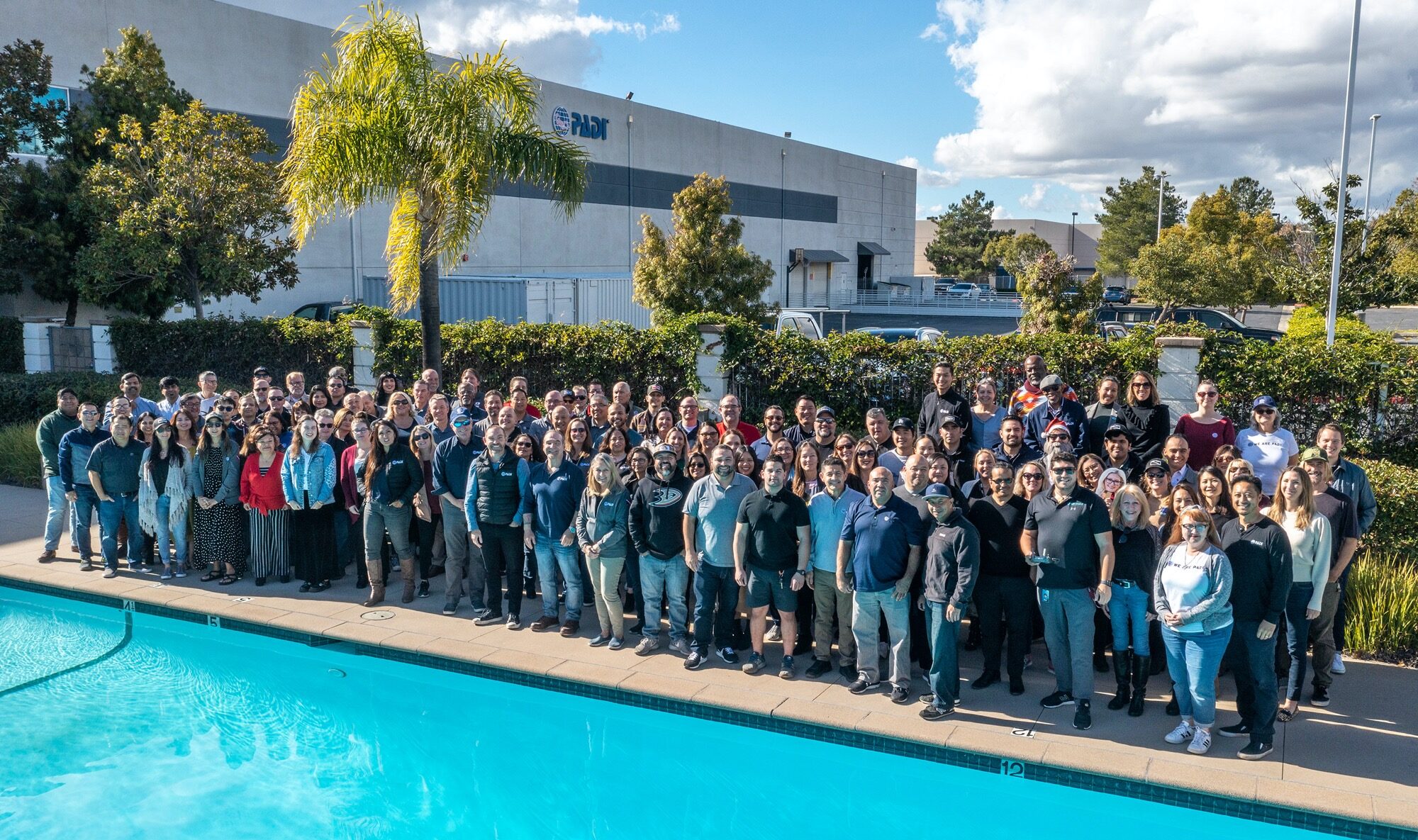
A company started by two passionate divers has grown into a global network of millions of divers, freedivers, mermaids and other ocean enthusiasts. PADI is committed to helping people of all ages and abilities seek adventure and save the ocean.
To celebrate its 60th anniversary, PADI is going on tour. Click the button below to find out when and where you can connect with representatives from PADI in 2026.