

After a dive day, it’s easy to focus on rinsing gear and logging the dive. In doing so, we sometimes forget that some of the biggest impacts on the ocean happen nowhere near the water.
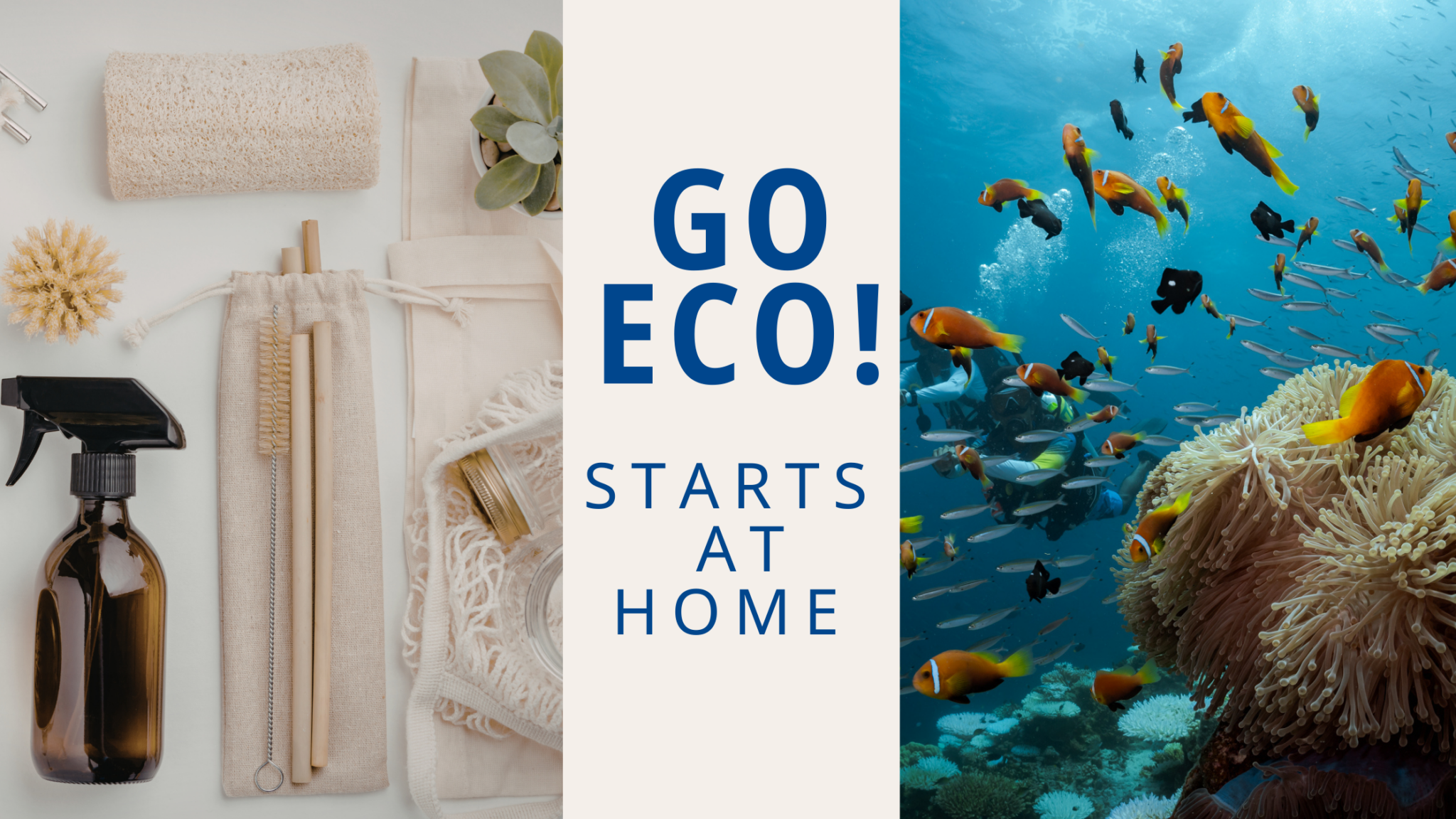
That’s exactly why Go Eco! starts at home. This April, the Go Eco! campaign is about reconnecting those dots. Protecting the ocean is a collection of small, consistent choices, whether in our kitchens, in our travel plans or in our dives. These all add up.
The good news? Progress beats perfection.
Why This Matters: Ocean Protection Starts on Land
It’s easy to think conservation begins when we giant-stride off the boat. But in reality, ocean protection starts with how we live day to day.
The mindset that makes you a good diver — aware, thoughtful, future-focused — applies just as much on land.
Around the globe, PADI Members, dive centers and especially PADI Eco Centers™ are building conservation into their everyday operations. They’re reducing waste, supporting local communities and protecting marine environments as part of normal business practice.
If you’d like to explore more about the campaign and how divers are getting involved, you can start here.
Stick with us for some practical tips on how divers everywhere are choosing to dive — and live — with purpose.
Three Easy Eco Actions To Try (That Are Also Budget Friendly)
Pick one. Or try all three.
- Reuse what you already own. The most sustainable option is often the one you have: reusable water bottles, shopping bags, food containers. Keep using them, even when it’s less convenient.
- Try a “low-energy day.” Unplug unused electronics, adjust heating or cooling by 1-2 degrees and only run full laundry loads. Small changes, real impact.
- Reduce food waste. Plan meals, freeze leftovers and get creative with what’s already in your fridge. Less waste means fewer resources used overall.

What We Choose Makes a Difference
Most divers don’t need convincing that the ocean is worth protecting. The challenge is figuring out how to make better choices day to day without overhauling your entire lifestyle. Here’s the encouraging part: you don’t need to change everything at once.
Simple Swaps That Stick
Think manageable, realistic changes.
- Choose plastic-free or refillable products. Refill shops, low-impact cleaners and reusable containers help cut down on single-use plastics that often end up in waterways.
- Try a “no-buy day” once a week. It’s a simple pause that helps reduce consumption and reset habits.
- Be mindful of what you wear in the water. When it’s time to replace gear or swimwear, consider brands focused on durability, responsible sourcing and long-term use.
- Think about seafood choices. Choosing responsibly sourced seafood or eating less of it helps reduce pressure on marine ecosystems.
- Choose greener transport when you can. Walk, bike or take public transport for your journeys where possible
Everything flows downstream: waste, chemicals, plastics. What leaves our homes and streets can eventually reach the same coastlines and dive sites we care about.
Choosing better options on land reflects the same mindset we apply underwater: move carefully, minimize impact, think long-term. Small decisions, repeated consistently, create meaningful change.
How You Travel Shapes the Dive
Most divers carefully plan their dives. We check conditions, review the site and discuss the plan. But some of the biggest opportunities to reduce impact happen before we ever reach the water.
It starts when we:
- Choose an operator
- Book a destination
- Pack our bags
Choose Operators That Align With Your Values
Who you dive with matters. PADI Eco Centers are committed to conservation, responsible dive practices and supporting local communities. Choosing one encourages long-term protection of dive environments from coral reefs to cold-water ecosystems.
If you’re planning your next trip, PADI Travel makes it easier to find dive experiences that align with these values while supporting operators actively working to reduce their impact.

Get Involved Beyond the Dive
Sustainable travel isn’t just about what you avoid; it’s also about what you support.
Consider:
- Joining citizen science initiatives using the Conservation Action Portal to contribute valuable data.
- Participating in local conservation events.
- Supporting community-led businesses.
- Completing the Green Fins Digital Course to better understand how diver behavior shapes underwater impact.
These steps deepen your connection to the places you visit and help protect them long after your trip ends.
Sustainable dive travel is about asking better questions and making informed decisions. When we plan with purpose, we protect the very experiences we’re traveling for.
The Small Habits That Make You a Better Diver
Now let’s bring it back underwater. Because sustainability isn’t just about products or travel, it’s also about skills. An entire dive can change when the diver just slows down, controls their breathing and refines their buoyancy. Suddenly they are calmer, more observant and more in control – and the environment benefits immediately.
Buoyancy Is the Foundation
No matter the environment — coral reef, muck site, cold water, night dive — buoyancy control is the single most important conservation skill you can develop.
Better buoyancy helps you:
- Avoid contact with fragile environments
- Control fins, gauges and cameras
- Stay still and observe without disturbance
If you’re wearing thicker exposure protection or trying new equipment, it is even more important to refine your skills further.

Learn More, Dive Better
Being an ocean-conscious diver is an ongoing process. Courses, refreshers, and continued education sharpen your skills while reducing impact. Whether it’s buoyancy training, conservation-focused specialties, or advancing your dive knowledge, learning and practice makes you more capable and more aware.
Go Eco! Starts With You
If there’s one takeaway from Go Eco!, it is that you don’t have to be perfect. You just have to be consistent. Individually, all the above ideas might seem small, but together, they protect the places we love to dive.