If you’ve just earned your Advanced Open Water Diver (AOWD) certification, you might be wondering: Why should I become a Rescue Diver next? After all, you’re already diving deeper, navigating with confidence and exploring new underwater environments.
It’s a common question and a good one. While Advanced Open Water Diver and Rescue Diver are both key milestones in a diver’s journey, they serve very different purposes. Understanding the difference between AOWD and Rescue can help you decide when (and why) to take the next step.
Let’s break it down.
Click to display the embedded YouTube video
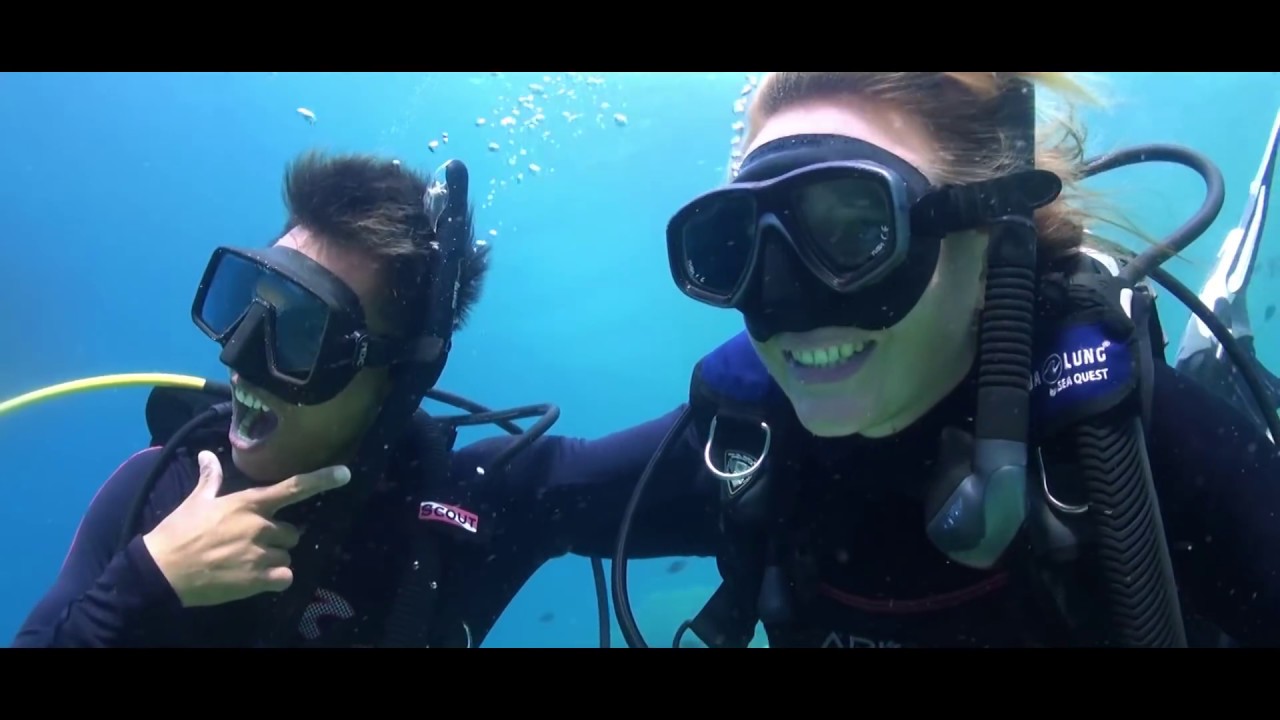
Advanced Open Water Diver: Building Experience and Confidence
The Advanced Open Water Diver course is all about experience-based learning. It’s designed to help you grow as a diver by introducing new dive environments and skills with a qualified instructor by your side.
Rather than focusing on intensive theory, the Advanced Open Water Diver course emphasizes learning by doing. And there’s also no written exam.
You complete five adventure dives, including:
- Deep Dive: Extend your depth limit to 30 meters (100 feet)
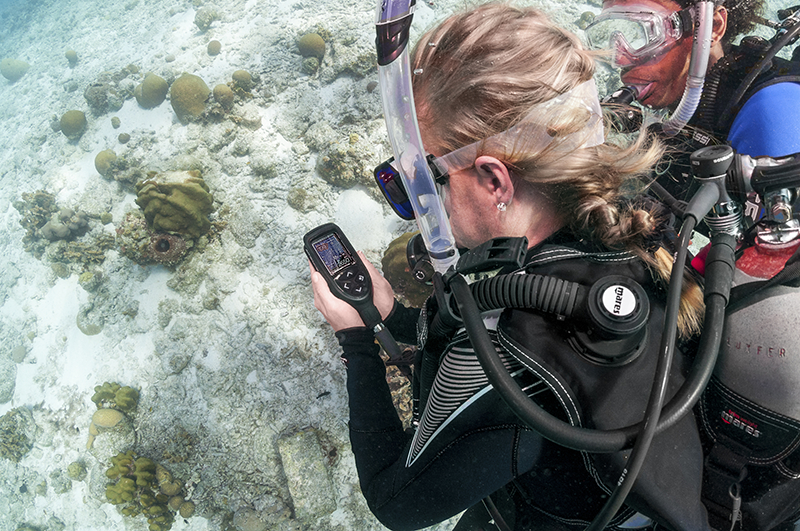
- Underwater Navigation: Improve compass and natural navigation skills
- Three More Adventure Dives: Chosen based on your interests
These might include Fish ID, Night Diving, Peak Performance Buoyancy, Wreck Diving, Dry Suit Diving or Underwater Photography.
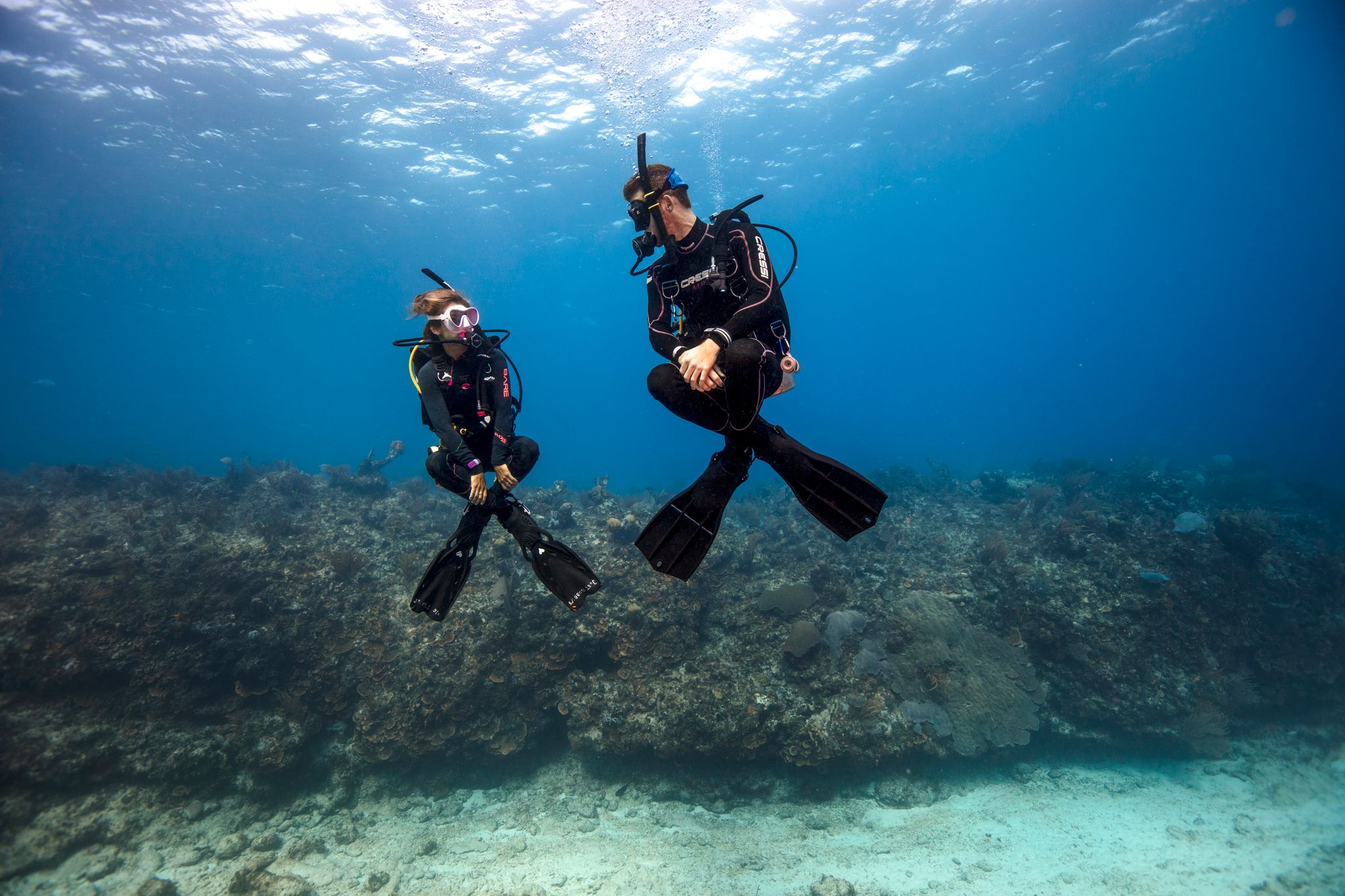
What Does an Advanced Open Water Diver Really Give You?
Becoming an Advanced Open Water Diver helps you:
- Become more comfortable in the water
- Gain exposure to different diving conditions
- Discover what kind of diving you enjoy most
Think of it as expanding your personal dive toolbox. You’re still focused primarily on your own dive skills, awareness and enjoyment with your instructor guiding each step.

Rescue Diver: Shifting From “Me” to “We”
The Rescue Diver course marks a powerful shift in mindset. Instead of focusing only on your own dive, you learn to look outward and focus more on your buddy, your team and the bigger picture.
Rescue Diver is about:
- Preventing problems before they happen
- Recognizing stress and risk in other divers as well as in yourself
- Responding effectively to dive emergencies
This is where many divers say they experience the biggest leap in confidence. Not because diving suddenly feels riskier, but because they feel prepared and ready (just in case).
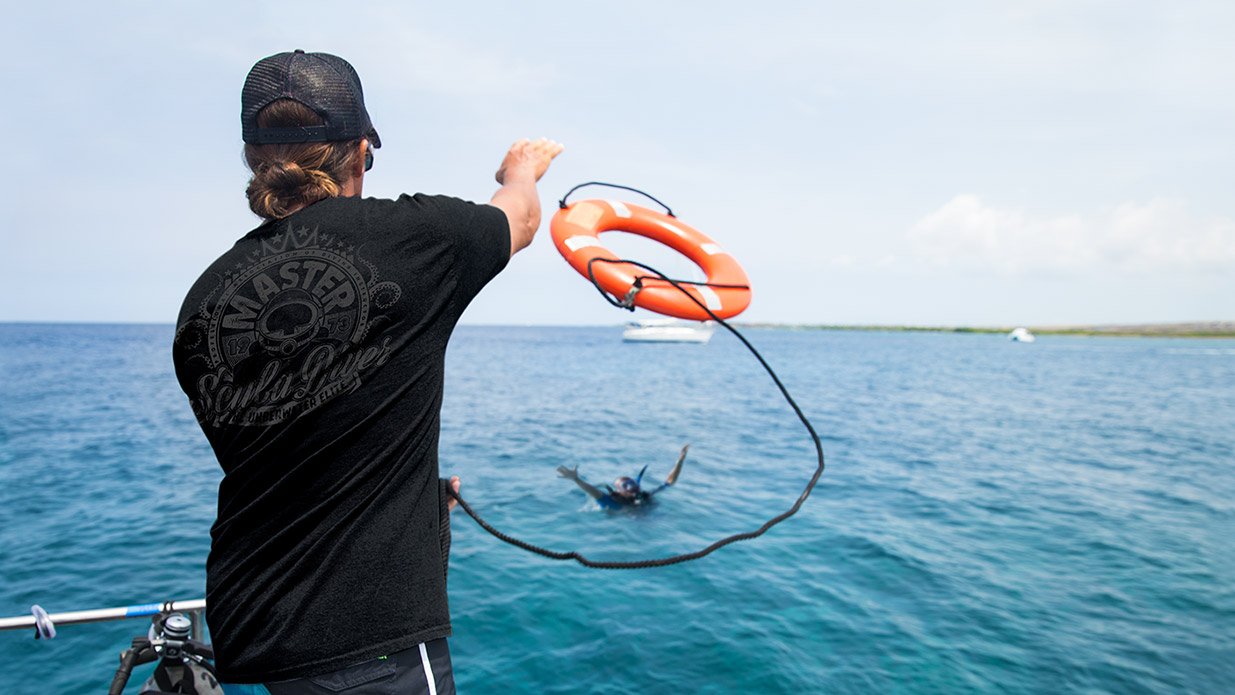
What Do You Learn in the Rescue Diver Course?
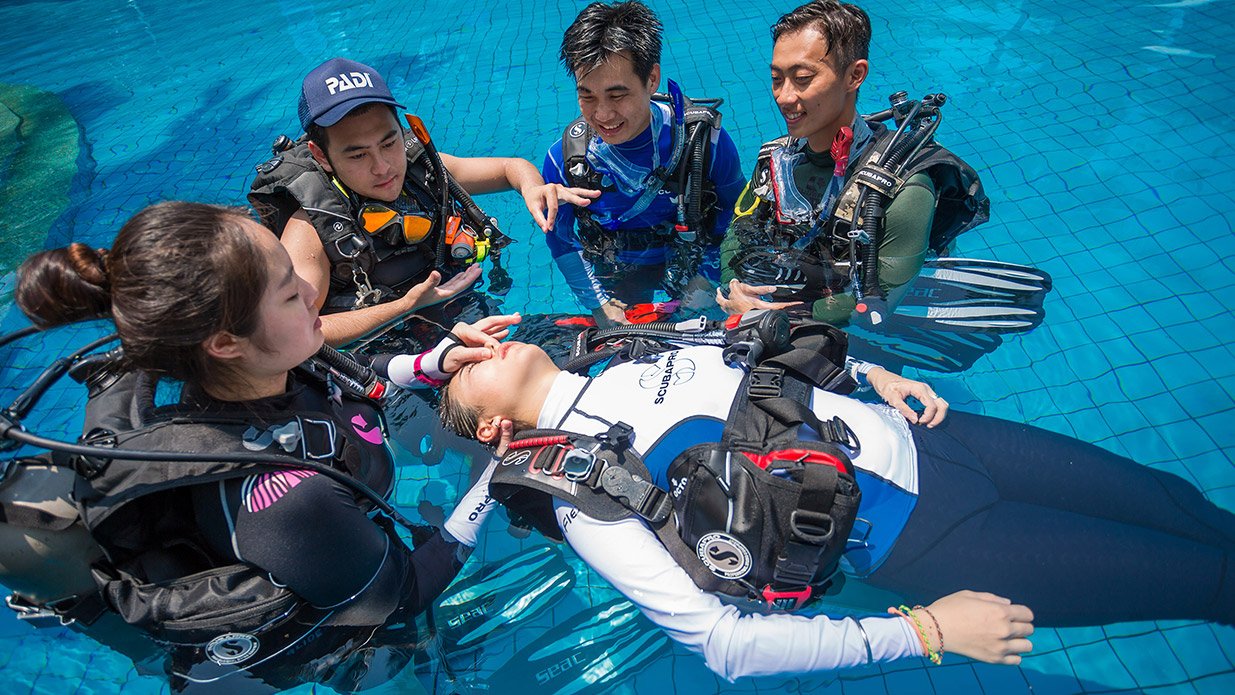
During the course, you’ll practice realistic scenarios such as:
- Assisting tired or panicked divers
- Managing minor and major diving incidents
- Searching for missing divers
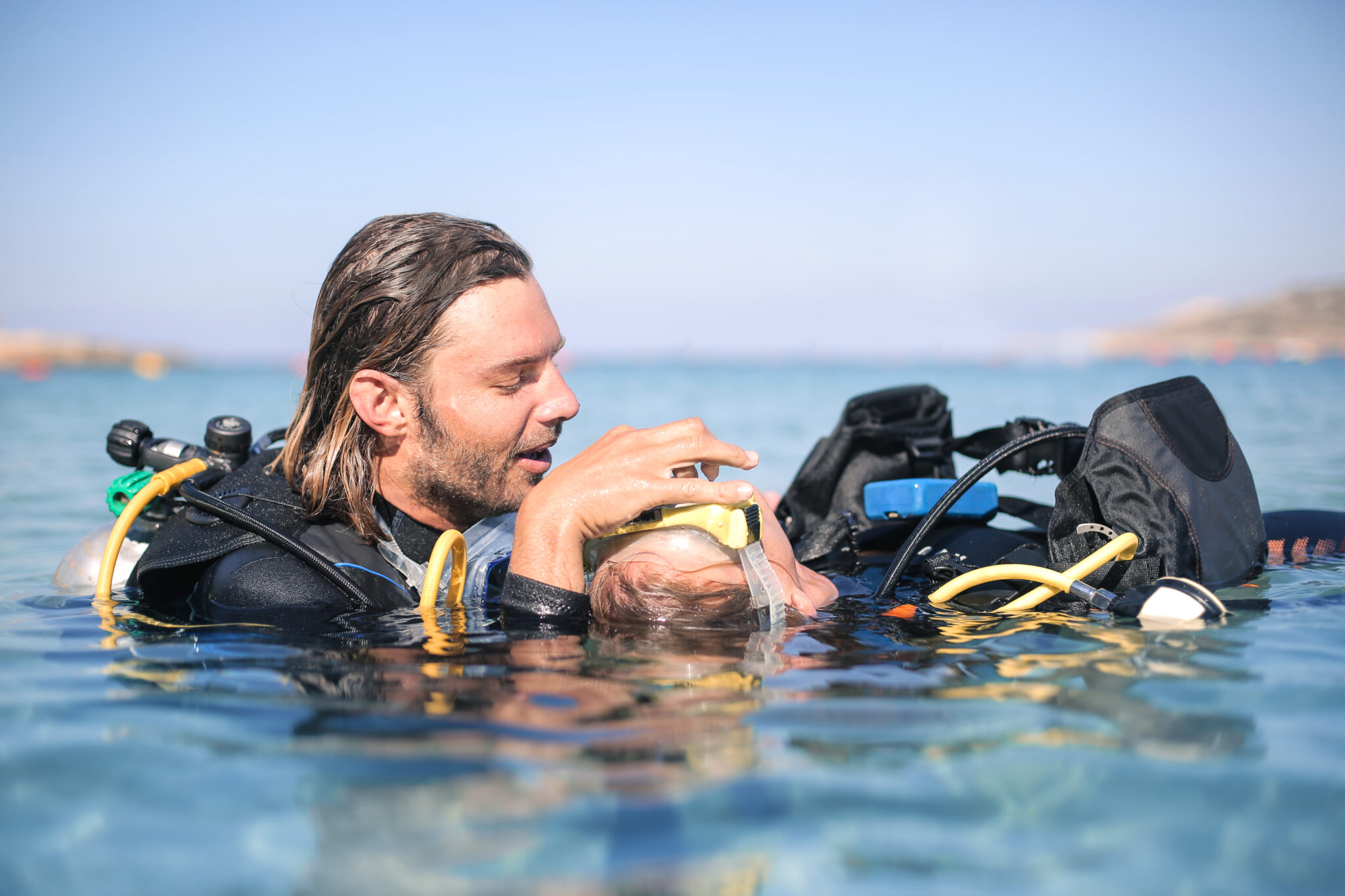
- Responding to unconscious divers at the surface and underwater
You’ll also complete knowledge development that focuses on accident prevention, situational awareness and decision-making. It’s challenging, yes. But it’s also incredibly rewarding.
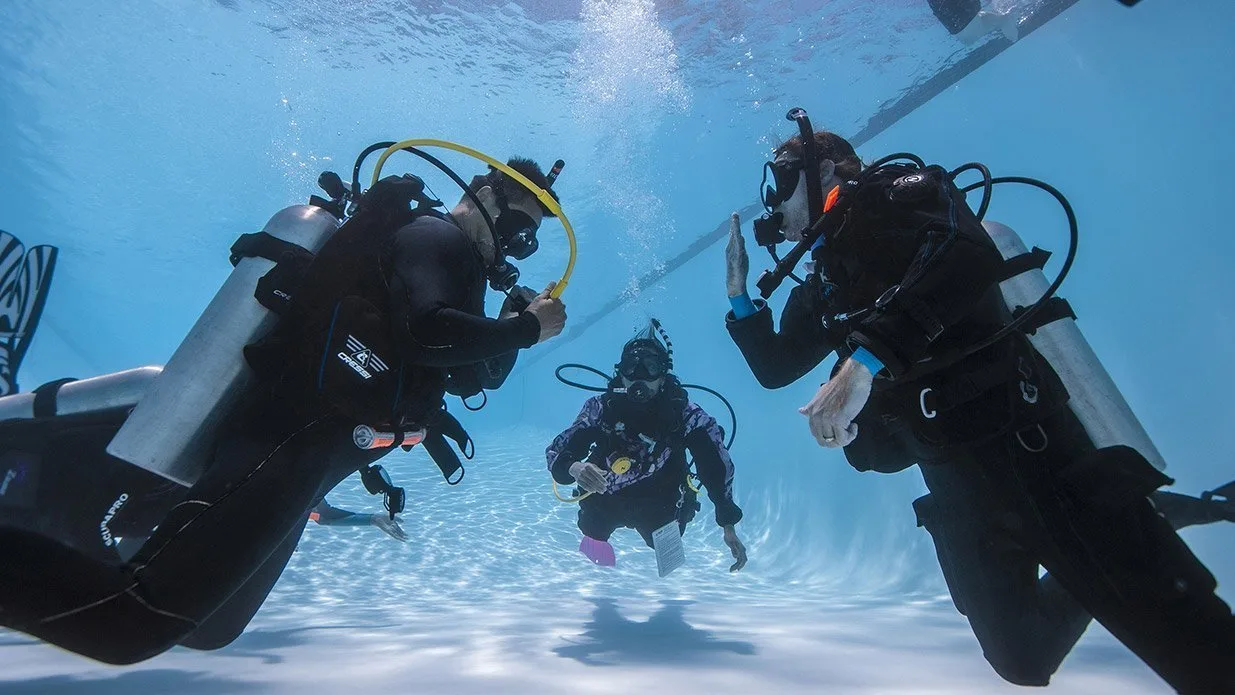
What’s the Difference Between AOWD and Rescue, Really?
At first glance, the differences may seem obvious. But the real value of Rescue Diver becomes clearer when you compare the two side by side.
The Key Differences at a Glance
| Advanced Open Water Diver | Rescue Diver |
| Focus: Your skills and experience to become a better diver | Focus: Other divers and overall safety to become a better buddy |
| Style: Exploration and skill sampling | Style: Problem prevention and response |
| Outcome: More comfort, more options, more confidence | Outcome: Strong awareness, leadership and readiness |
The Advanced Open Water Diver course makes you a more capable diver. The Rescue Diver course helps make you a more reliable dive buddy.
Why Take Rescue Diver After Advanced Open Water?
Many divers search “What’s the difference between AOWD and Rescue?” because they’re unsure whether another course is necessary. The truth is: Becoming a Rescue Diver isn’t about expecting emergencies. It’s about being ready just in case.
After AOWD, you’re:
- Diving deeper and in more varied conditions
- Traveling more independently
- Often diving without direct professional supervision
Rescue Diver complements this perfectly by teaching you how to:
- Stay calm under pressure
- Read situations early
- Support others while protecting yourself
Even if you never need to perform a rescue, the situational awareness alone will change how you dive.
Is Rescue Diver Only for Future Professionals?
Not at all. While Rescue Diver is a prerequisite for professional-level training, many recreational divers take it simply because they want to be:
- More confident
- More self-reliant
- Better buddies
In fact, Rescue Diver is often described as the most challenging (and most rewarding) recreational course PADI offers. Yet, many also say that it’s their favorite recreational course.
Which Course Is Right for You Right Now?
If you’re deciding what training is right for you, ask yourself:
Q: Do I want to explore new types of diving and build experience?
→ Advanced Open Water Diver
Q: Do I want to improve safety awareness and feel more confident in any situation?
→ Rescue Diver
If your answer was yes to both, this is the natural progression along the PADI Pathway that you will follow:
Open Water Diver → Advanced Open Water Diver → Rescue Diver → Divemaster
And each step builds on the last.
Ready To Take the Next Step?
Whether you’re expanding your horizons as an Advanced Open Water Diver or strengthening your confidence as a Rescue Diver, continuing your dive education keeps every dive safer, more enjoyable and more meaningful.
Find a PADI Dive Center to start your next course and continue your journey beneath the surface. Becoming a better diver isn’t just about going deeper. It’s about diving smarter, together.