You’ve barely descended, your buoyancy is dialed in, marine life appears around you and suddenly you need to pee.
If this sounds familiar, you are not alone. Nearly every diver experiences the urge to urinate underwater, sometimes very early in a dive. The reason isn’t nerves or drinking too much water beforehand. It’s a normal physiological response called immersion diuresis.
Understanding immersion diuresis helps divers better understand how their bodies respond underwater and supports safer, more comfortable diving.
In this article, you’ll learn:
- What immersion diuresis is
- Why your body produces urine underwater
- Why the urge happens even on short dives
- How hydration affects dive comfort and safety
What Is Immersion Diuresis?
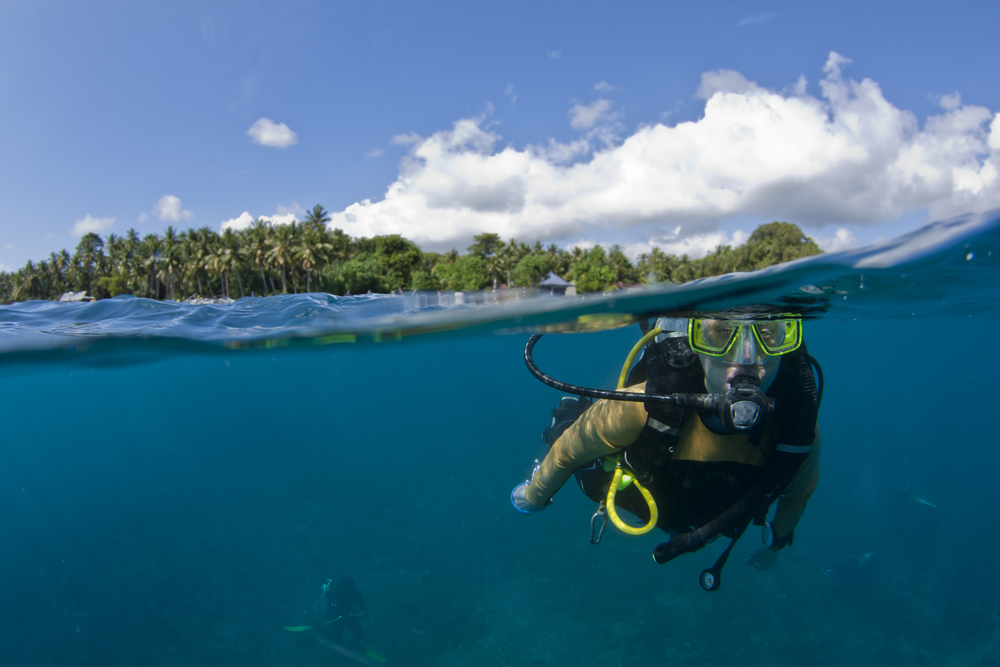
Immersion diuresis refers to increased urine production that occurs when the body is submerged in water. It happens whether you’re scuba diving, snorkeling or even standing in water for extended periods.
As both a physician and dive professional, I’m often asked why divers feel the urge to urinate so quickly underwater, even after using the restroom just minutes before entering the water. The answer lies in how efficiently the human body adapts to immersion.
When you enter the water, especially water cooler than the surrounding air, your body immediately begins adjusting to a new environment. These changes occur automatically through coordinated responses involving the cardiovascular system and kidneys.
In simple terms, your body briefly believes it has excess fluid onboard and works to eliminate it.
What Happens Inside the Body Underwater?
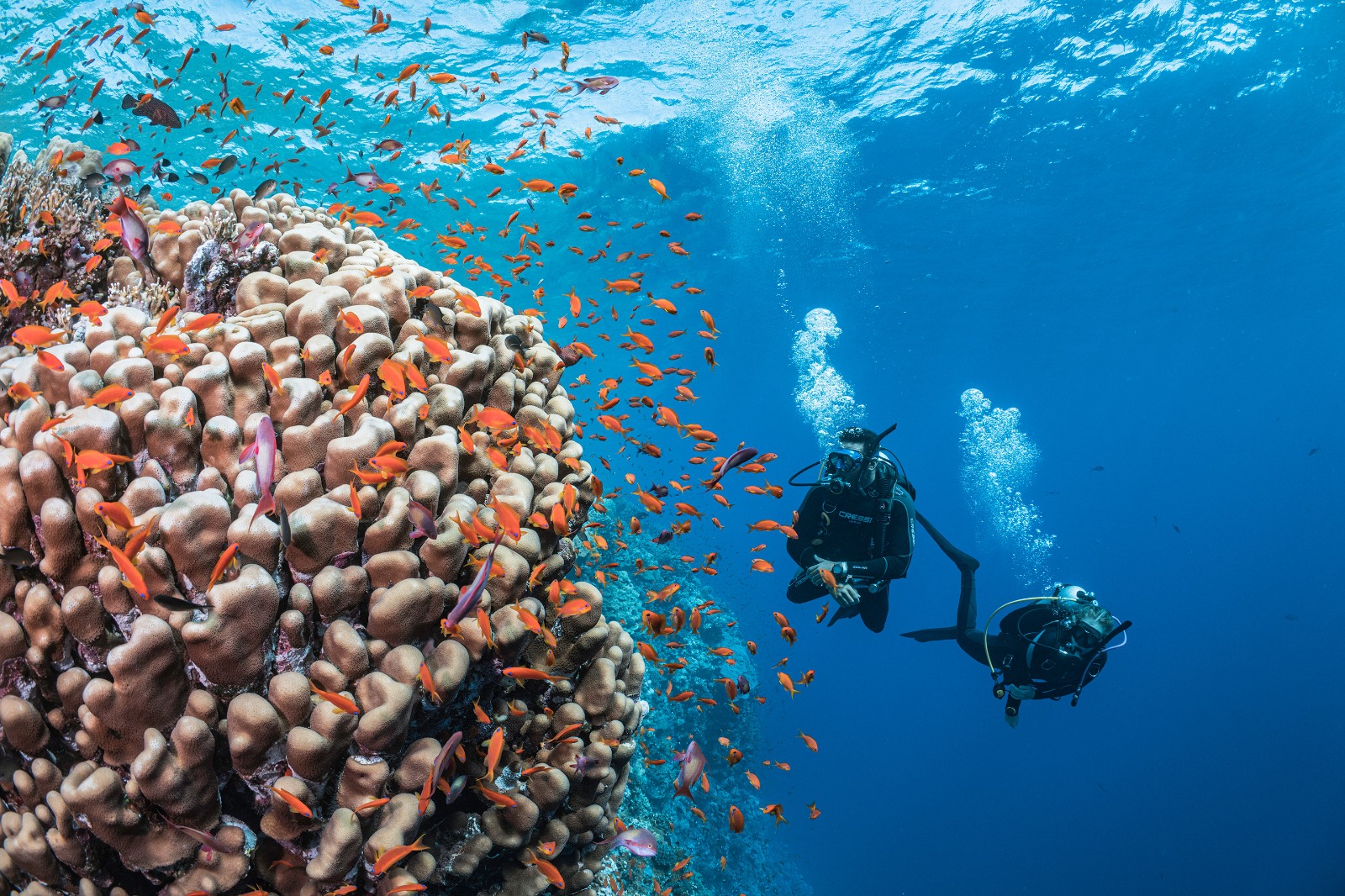
As soon as you submerge, water pressure and temperature trigger several physiological responses:
1. Blood Shifts Toward the Core
Water pressure compresses blood vessels in the arms and legs, gently pushing blood toward the chest and central organs. Cooler water simultaneously causes vasoconstriction, narrowing blood vessels in the skin and extremities.
Together, these effects increase blood volume around vital organs such as the heart and lungs. Specialized pressure receptors interpret this shift as fluid overload.
2. The Kidneys Step In
These receptors signal a reduction in antidiuretic hormone (ADH), which normally helps the body retain water. With less ADH circulating, the kidneys begin producing more urine to restore balance.
This process leads to the familiar underwater urge known as immersion diuresis.
Many divers are surprised to learn that this response often begins during surface immersion or initial descent, well before reaching depth.
Why the Urge Happens So Quickly
Because immersion diuresis starts almost immediately after submersion, the urge to urinate does not depend on how much fluid you drank beforehand.
Several factors can increase the effect:
- Cooler water temperatures
- Longer dive durations
- Tight exposure protection
Understanding responses like immersion diuresis is part of learning how the human body adapts underwater, knowledge that many divers expand upon during continuing education and advanced dive training.

Should Divers Drink Less Water Before Diving?
It may seem logical to limit fluids before diving, but dehydration is not the solution.
Maintaining proper hydration supports circulation, temperature regulation and overall dive comfort. Rather than restricting fluids, divers benefit from steady hydration throughout the day.
Is It Normal To Pee During a Dive?
Yes. The urge caused by immersion diuresis is completely normal and experienced by divers at all experience levels.
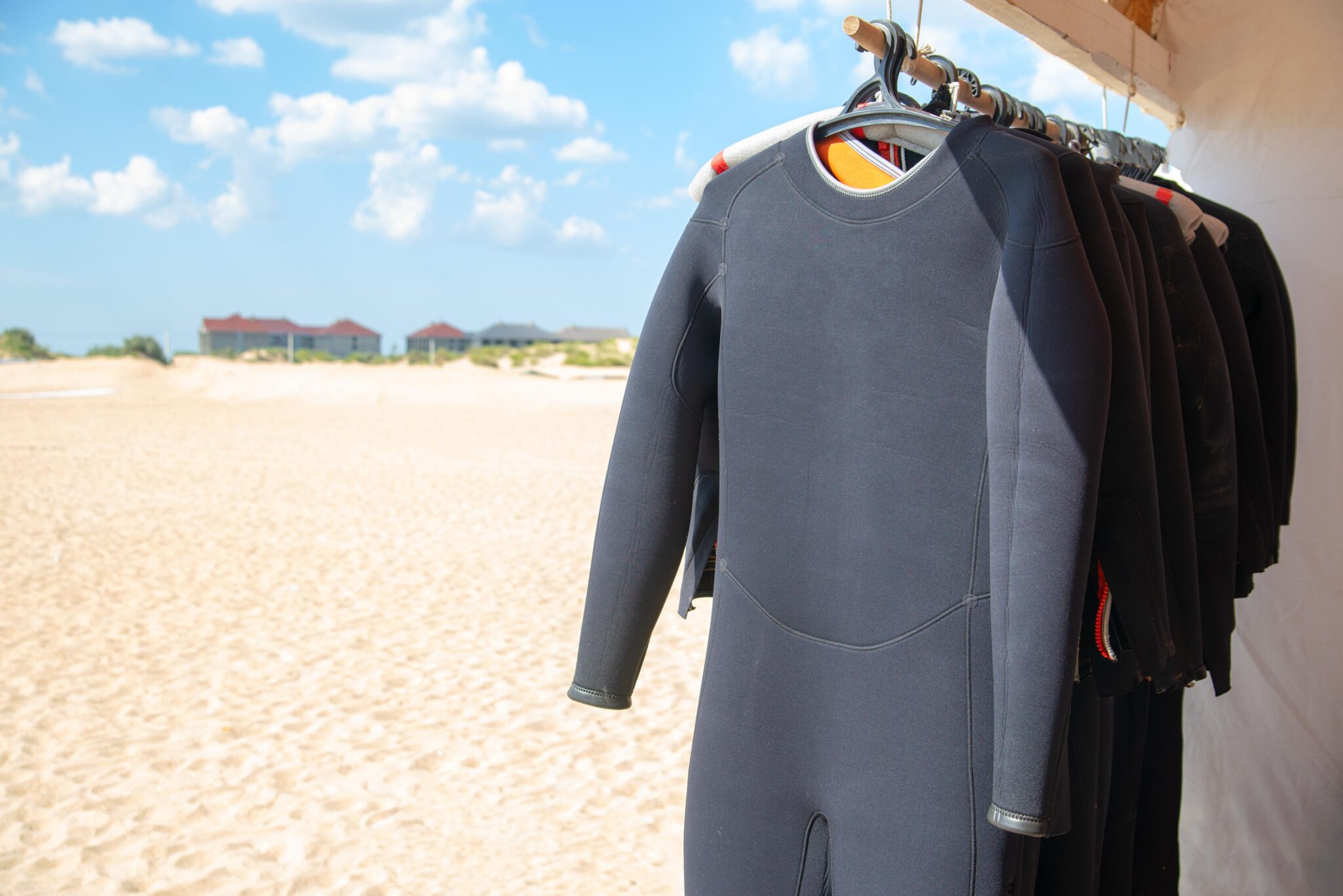
Many divers choose to urinate during a dive rather than ending it early. Modern exposure suits are designed for normal use when properly rinsed after diving according to manufacturer recommendations.
Maintaining good buoyancy control remains important. As divers gain experience and refine their skills, many find they feel more relaxed and comfortable underwater.
When To Seek Medical Guidance
Immersion diuresis itself is a normal physiological response and not a medical condition. However, persistent discomfort, pain with urination or unusual symptoms following diving should be evaluated by a qualified medical professional.
For dive-related medical concerns or suspected dive injuries, divers should contact the Divers Alert Network (DAN) or seek evaluation from a physician trained in dive medicine. This article is intended for educational purposes only and does not replace professional medical advice.
The Takeaway for Divers
The sudden urge to pee underwater isn’t poor preparation or bad timing. It’s your body intelligently adapting to immersion.
Understanding immersion diuresis helps divers recognize that:
- Urination during dives is normal
- Hydration remains essential
- Physiological changes begin immediately upon submersion
- Awareness of body responses improves diver confidence
Like equalization or buoyancy control, understanding how your body responds underwater is part of becoming a more knowledgeable and confident diver.
Continue Your Diving Education
Curious to learn more about how your body responds underwater? Keep expanding your knowledge and scuba skills through PADI core courses and Specialty Courses.