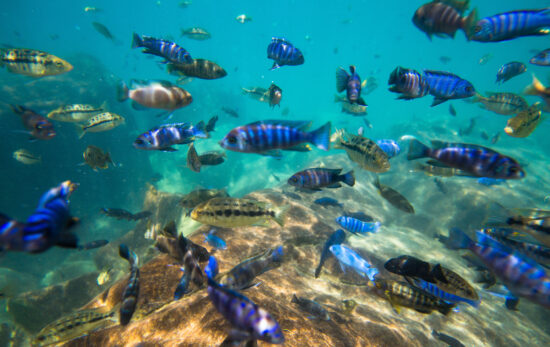
I’ve been a diver for more than 25 years now, more than half of my life, and have been lucky enough to dive on every continent but Antarctica (I’m ready for it, though, thanks to completing my PADI Dry Suit Diver Specialty course a few years ago).
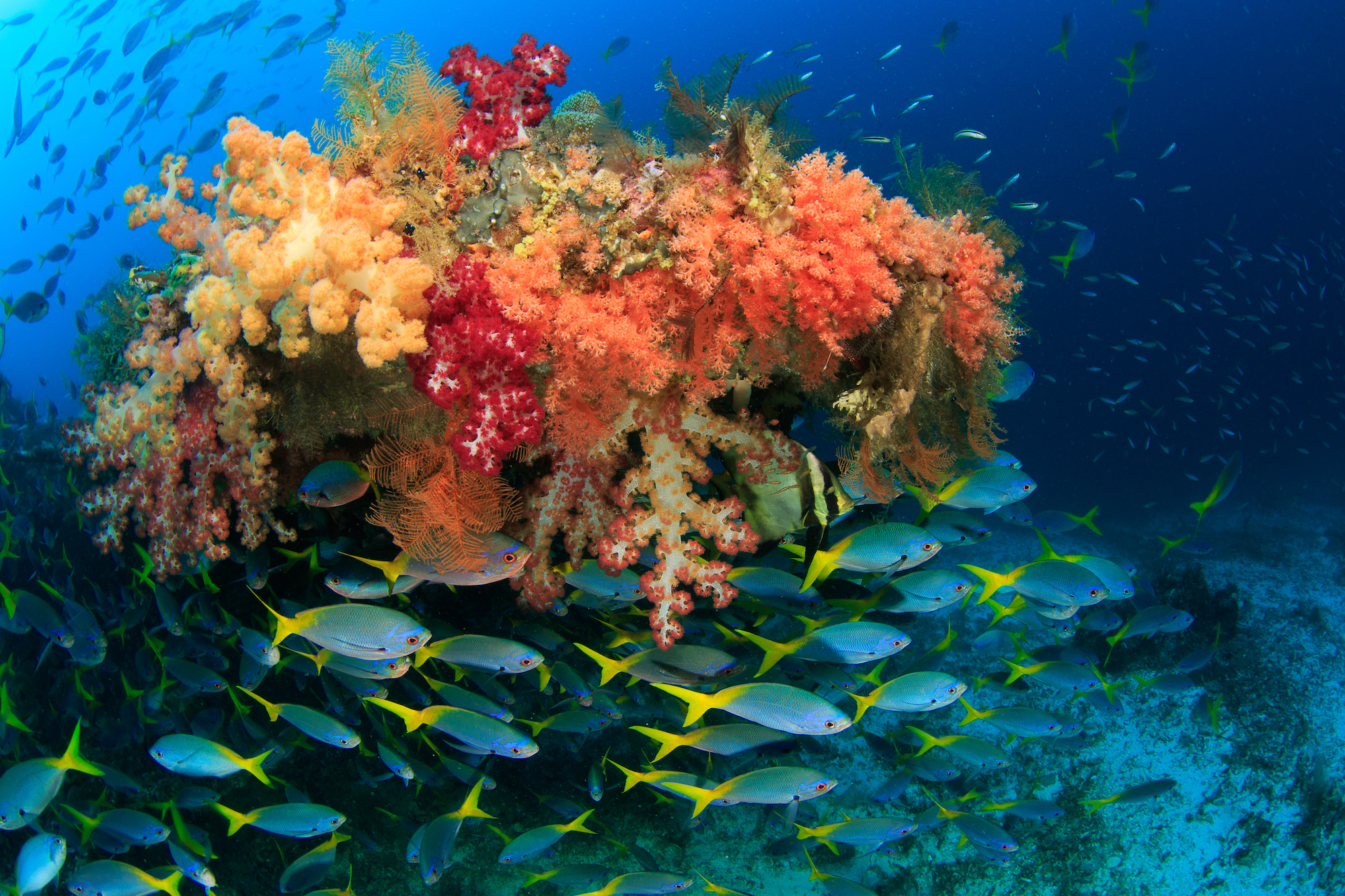
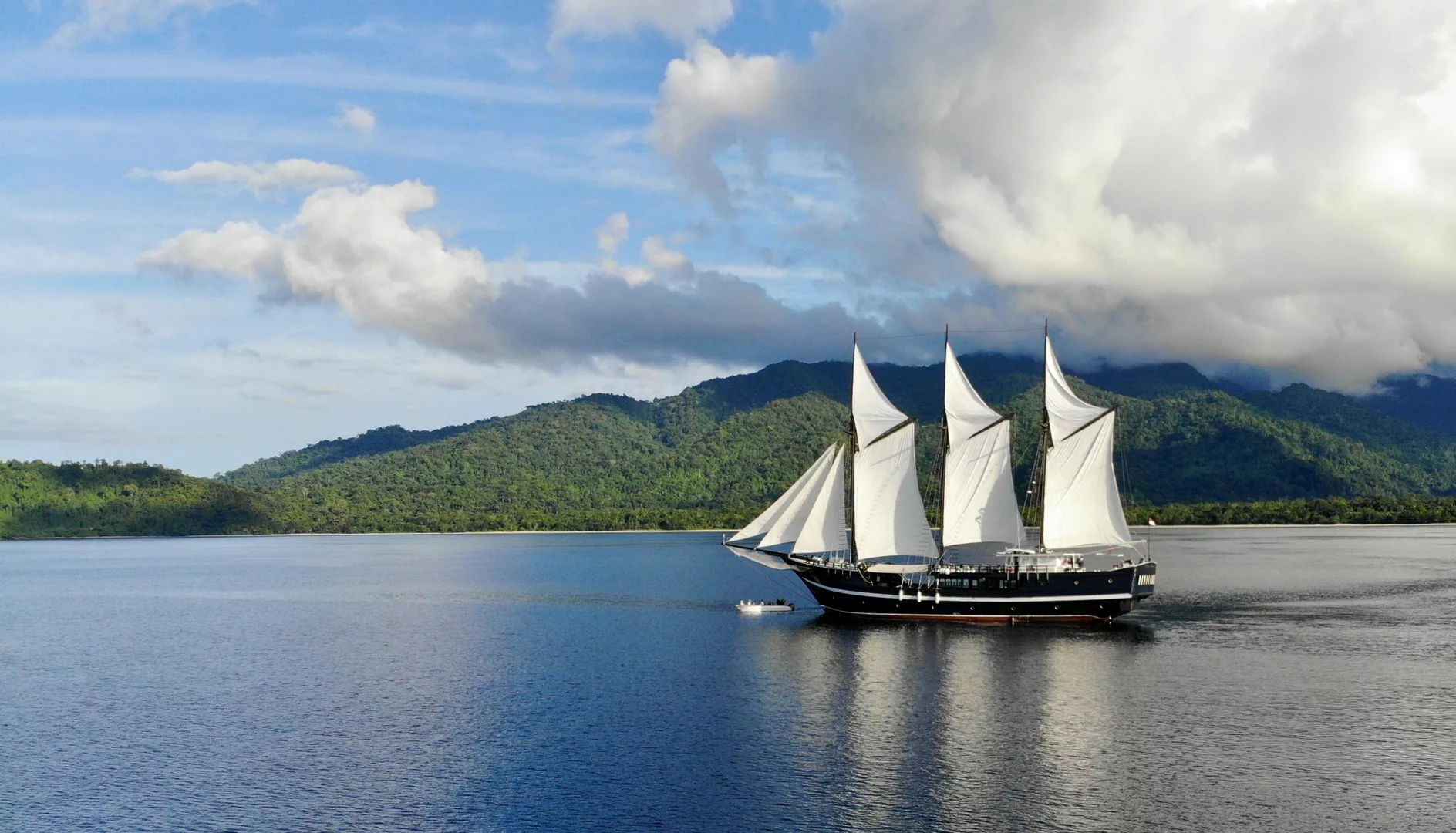
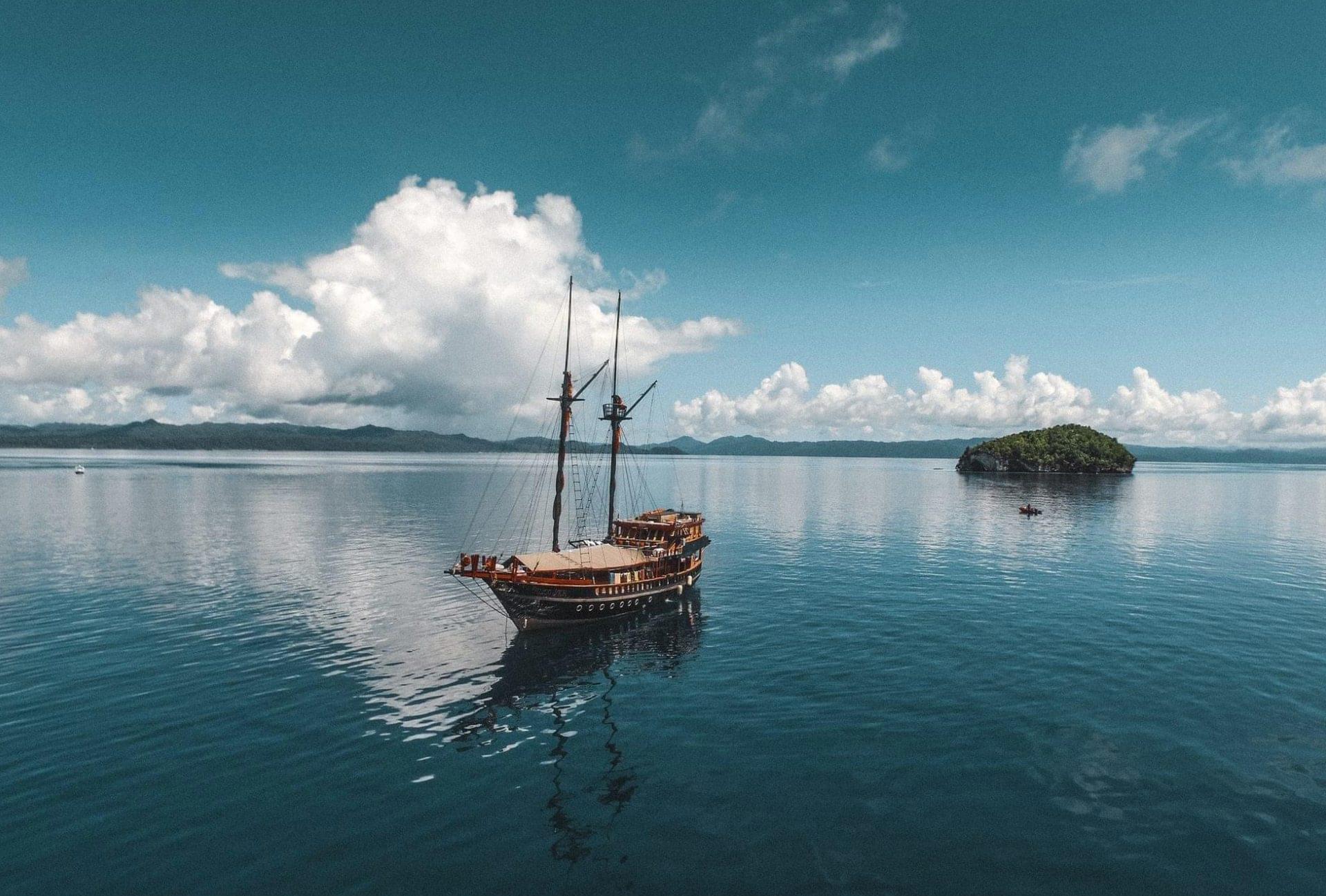
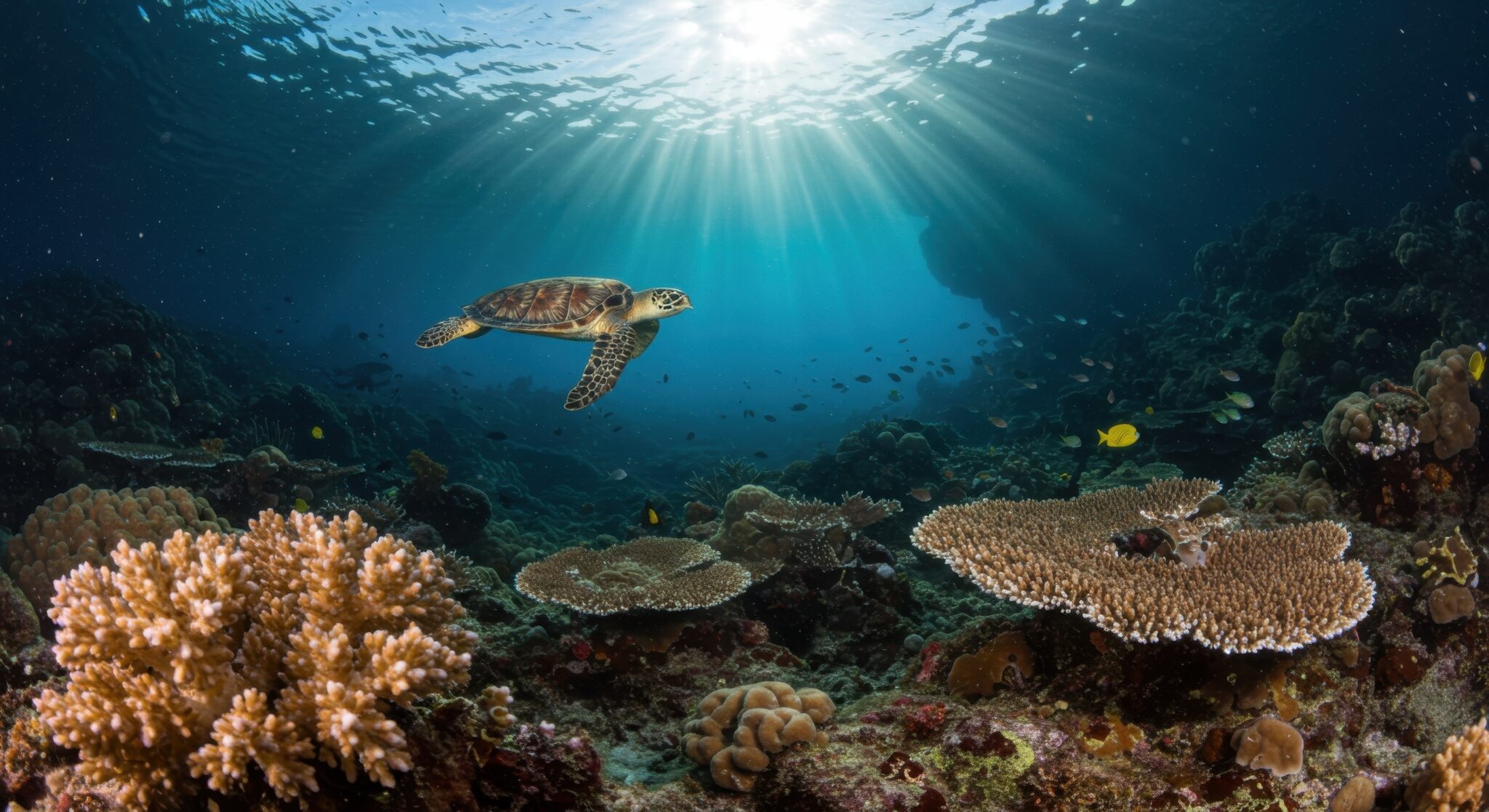
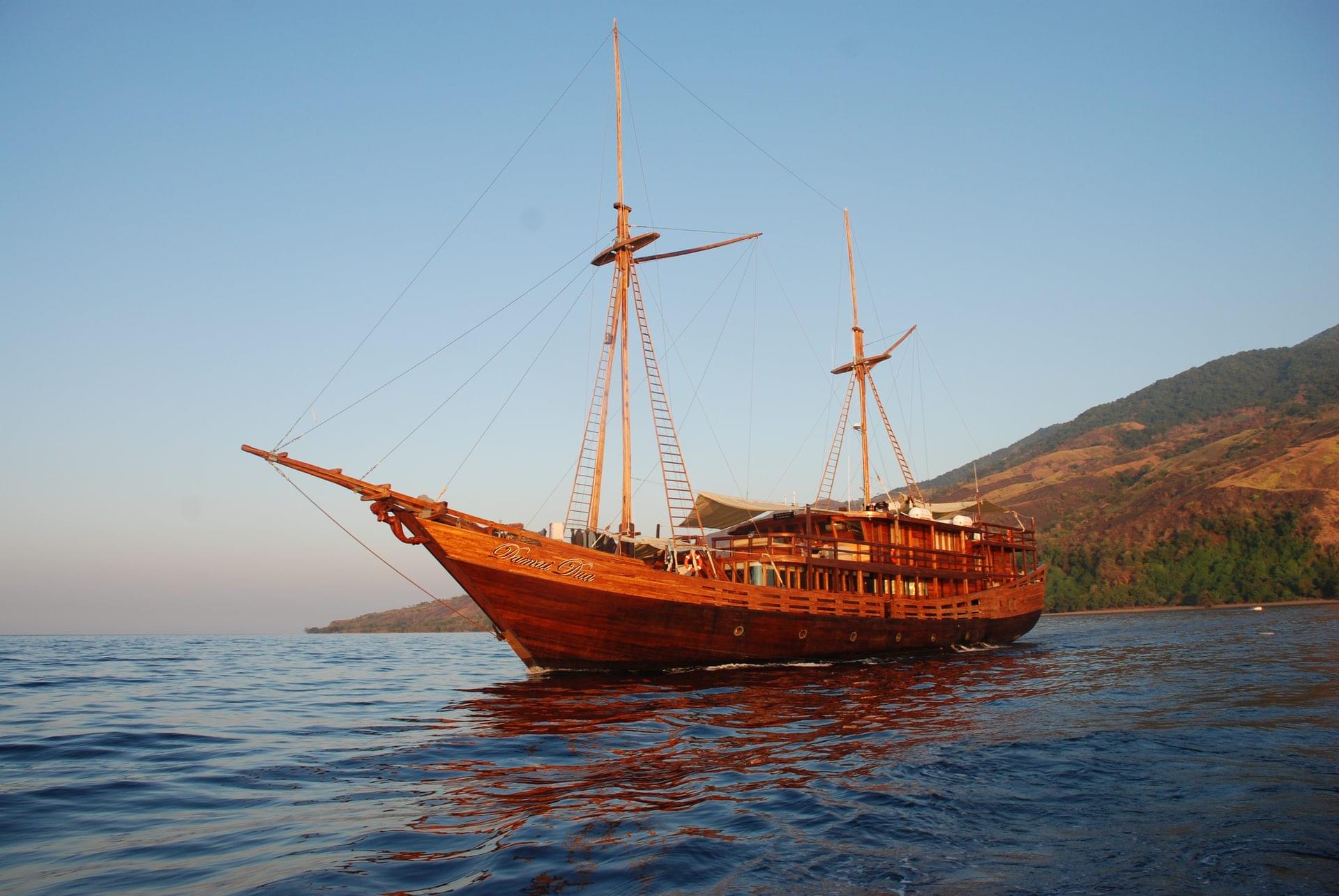
I knew that Raja Ampat sits at the bullseye of marine biodiversity in the Coral Triangle. Its waters frequented by more than 1,800 species of fish and home to a whopping 75 percent of all known coral species in the world. But nothing prepared me for the sheer fishiness and abundance of healthy coral that I witnessed on a recent liveaboard trip aboard the traditional Indonesian phinisi, MSY Lamima in these storied waters of Indonesia’s West Papua province.
On every single dive during the week we spent cruising Raja Ampat’s southern and central regions in places like Misool and the Dampier Strait, schools of scores, sometimes hundreds, of species constantly clouded my vision, literally thousands of fish per second on every single dive. Hour-long dives passed by in what felt like mere minutes, so spellbindingly beautiful were the underwater views.
It’s the kind of diving you want to cherish and protect for yourself and the generations to come.
And I’m hardly the only one who feels that way. A dive trip to Raja Ampat is unforgettable. It’s a top-of-the-bucket-list experience for many divers, both new and experienced.
Visiting the region by liveaboard is the best way to see and dive as much as possible in limited time. But there are a few things to know before planning this dive trip of a lifetime. Read on for my best advice for planning your own liveaboard dive trip to Raja Ampat.
Table of Contents
- What to look for in a liveaboard trip to Raja Ampat
- How to prepare for a liveaboard trip in Raja Ampat
- The best route to book on a liveaboard trip in Raja Ampat
- The best time of year to dive in Raja Ampat
- Iconic dive sites in Raja Ampat
- What to expect topside during a liveaboard trip in Raja Ampat
What To Look for in a Liveaboard Trip to Raja Ampat
There are many liveaboards in Raja Ampat to choose from when planning your dream dive vacation. Most depart from the harbor in Sorong, which travelers arrive at via domestic flights into Domine Eduard Osok Airport (SOQ) from elsewhere in Indonesia.
The first thing to consider is your budget, the length of your trip and if you prefer a private charter with friends and family aboard a luxury phinisi or a more affordable group trip with other guests.
If you’re short on time, there are options for shoter liveaboard trips departing from Sorong. These offer three to six night itineraries, with the opportunity to dive iconic sites in the Dampier Strait.
If you have more time, you’ll be able to cover far more ground. Longer trips offer seven-, 10- and 14-night itineraries throughout Raja Ampat. These trips take in all the highlights of the North, Central and South regions of the archipelago.
How To Prepare for a Liveaboard Trip to Raja Ampat
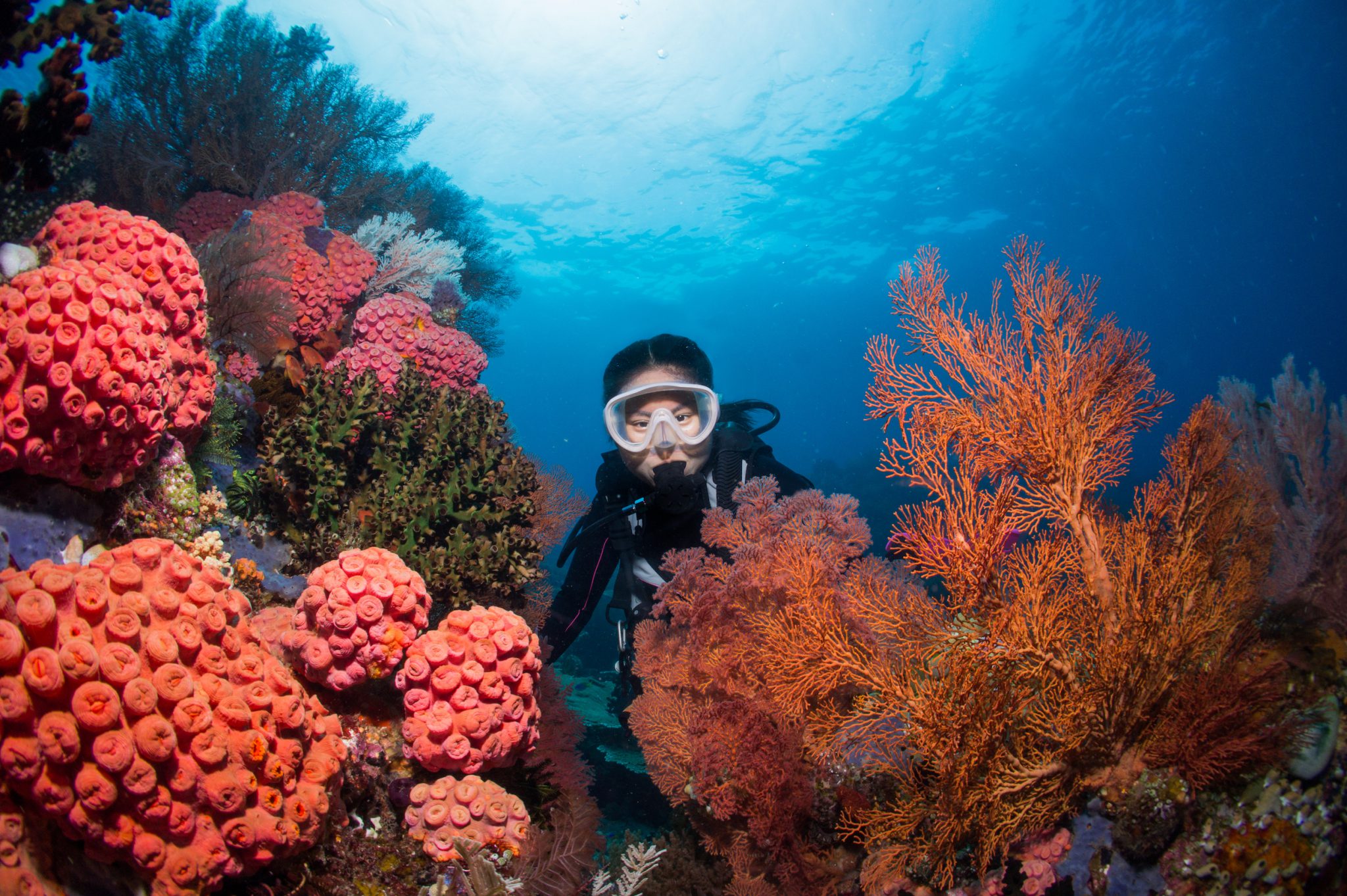
A liveaboard trip to Raja Ampat requires a sizable investment of both time and money, so you want to make sure you come prepared to dive to the best of your availability in conditions that can include current, drift diving and boat entries.
If it’s your first liveaboard trip, you might benefit from taking a PADI Boat Diver course to brush up on your boat diving skills. Even experienced divers can benefit from revisiting tips for liveaboard diving. These include everything from what to pack to the importance of having dive insurance in the remote areas liveaboards in Raja Ampat tend to frequent.
The Best Route To Book on a Liveaboard Trip in Raja Ampat
One of the best things about traveling by liveaboard in Raja Ampat is that your ship’s captain has the flexibility to adapt your ship’s route based on the weather and other factors that may come into play around the region’s four main islands, Waigeo, Misool, Batanta and Salawati.
Raja Ampat features two main regions–the South and the North–and you can’t go wrong diving either (or, preferably, both). But when you book a liveaboard trip to Raja Ampat, how much you see underwater and topside will depend on the length of the trip.
Shorter liveaboard trips tend to visit either the North or South regions from Sorong. Longer trips allow you to take in the underwater highlights in both regions as well as the Central region around Batanta Island that straddles them.
The Best Time of Year To Dive in Raja Ampat
It’s possible to dive in Raja Ampat year-round. But most liveaboards in the region operate seasonally, since they spend part of the year in other iconic Indonesian dive destinations like Komodo, Alor, the Spice Islands and beyond.
The peak liveaboard diving season in Raja Ampat runs during the dry season, from October to April. This is when seas tend to be calmer, water temperatures at their most comfortable and visibility is at its best.
January and February are the peak high season months for liveaboard trips in Raja Ampat. Expect calm and sunny conditions and water temperatures around 80°F (27°C).
Iconic Dive Sites in Raja Ampat
It may sound cliché, but Raja Ampat is one of those dive destinations that truly delivers it all when it comes to the best dive sites. From rollercoaster-like current dives to scout for mantas at cleaning stations in the Dampier Strait at sites like Manta Sandy to the stunning coral reefs around Misool, where every inch is carpeted in soft and hard corals and anemones, and the schooling barracuda and bumphead parrotfish that abound around Cape Kri.
The perk of diving via liveaboard is there are usually multiple dive instructors and guides on board. This allows guides to split groups between divers who prefer more advanced dives and those who prefer a more leisurely pace.
What To Expect Topside During a Liveaboard Trip in Raja Ampat
For all its underwater wonders, Raja Ampat dazzles just as superlatively above the surface. With striking rock formations that date back 443 million years, it’s no surprise the region earned recognition as a UNESCO Global Geopark in 2023.
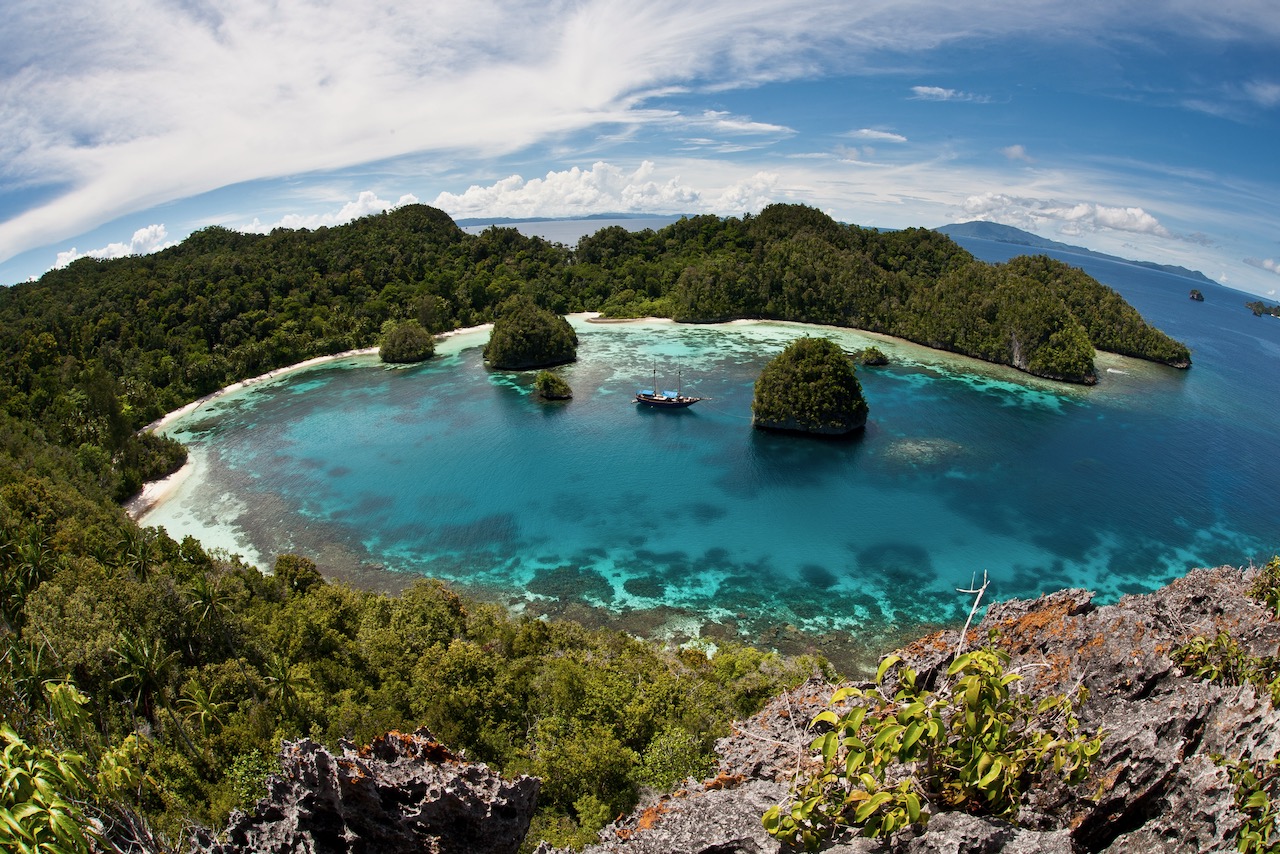
From heart-shaped lagoons you can hike above, such as the one at Karawapop in the Misool region, to village visits on remote islands to meet locals and observe unique wildlife, Raja Ampat is renowned for its culture and nature.
Conservation projects are also abundant in Raja Ampat. You may have the opportunity to see them first-hand during liveaboard trips that visit places like ReShark on Kri Island, where endangered Indo-Pacific leopard sharks are being raised and released into the wild.
Many liveaboards also offer SUPs and kayaks, and some even include jet skis, hoverboards, wakeboards and waterskis. This allows guests to explore surrounding islands where and when it’s permitted.
What Are You Waiting For?
Now that you know what to expect from a liveaboard dive vacation in Raja Ampat, it’s time to start planning. Explore the best liveaboards in Raja Ampat and find the ship that fits your diving style. Give yourself something extraordinary to look forward to.