For centuries, the coolest underwater discoveries have captivated both scuba divers and surface dwellers alike.
Initially, it’s the mystery surrounding these once-in-a-lifetime finds that makes them so popular and interesting. Then, questions about these unique items come up, like how long have they been submerged? How did they get there? Who lost them?
Knowing how easily these amazing discoveries could have gone overlooked makes them truly intriguing.
Many of the coolest underwater finds have been made by scuba divers. With eyes trained to look for distinct shapes and patterns, it’s no wonder that divers often can spot treasures long-forgotten in the sea. Here are some of our favorites.
1. A 900-Year-Old Crusader’s Sword
Imagine finding a 900-year-old sword while enjoying a casual dive.
That’s exactly what happened to Shlomi Katzin in October 2021. He lives in the city of Atlit, Israel. While scuba diving off the coast, Katzin discovered several ancient artifacts in the seabed. The most interesting was a very old knight’s sword, which was three-feet (one-meter) long. Moreover, it was perfectly preserved and covered in marine organisms.
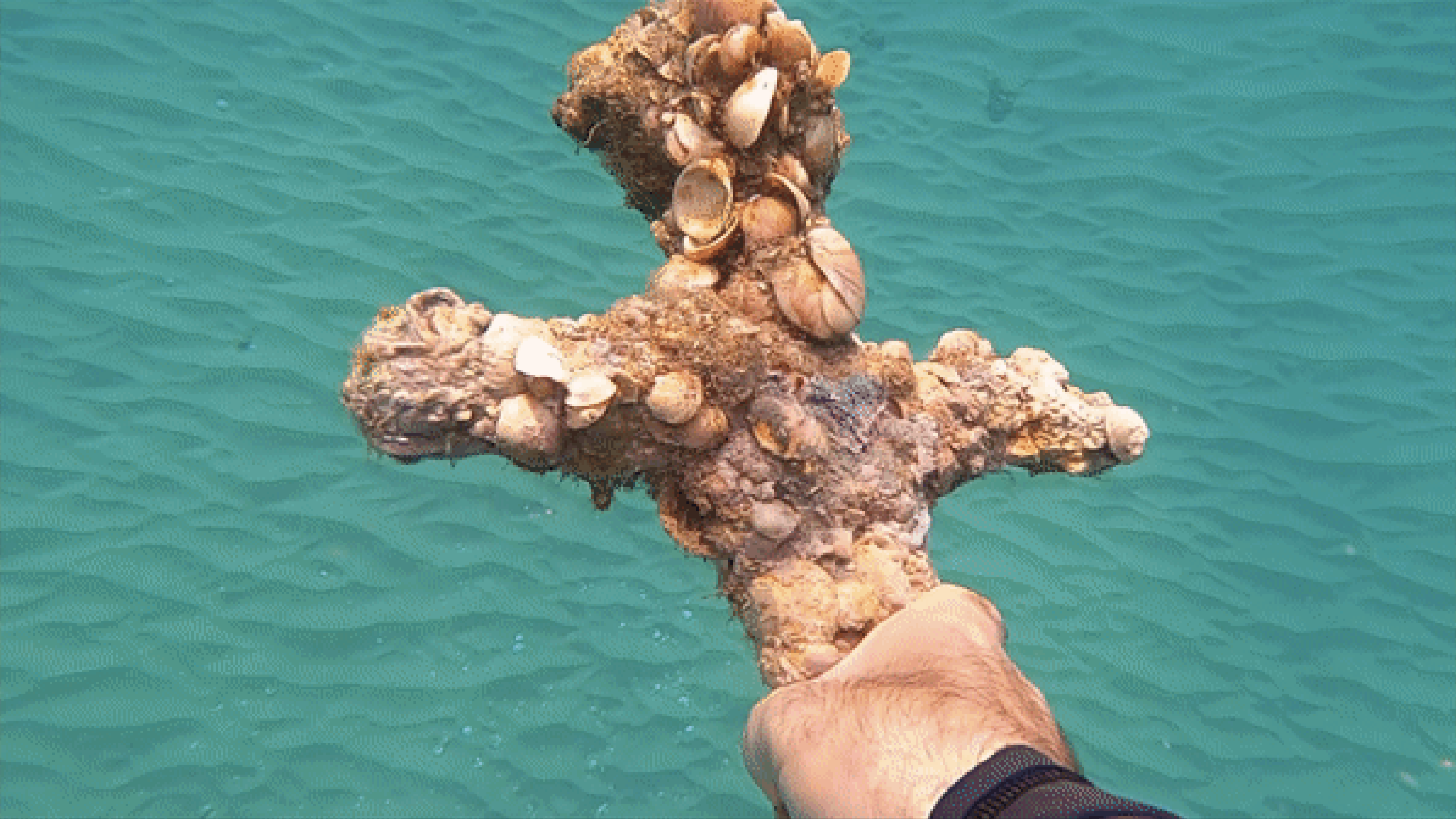
Archeologists explained that sands in the area had recently shifted, which is a common occurrence. This time, however, they uncovered the amazing find and other artifacts from the 11th and 13th centuries.
“The sword, which has been preserved in perfect condition, is a beautiful and rare find and evidently belonged to a Crusader knight,” Israel Antiquities Authority’s Robbery Prevention Unit Inspector Nir Distelfeld told the Jerusalem Post. “It was found encrusted with marine organisms but is apparently made of iron. It is exciting to encounter such a personal object, taking you 900 years back in time to a different era, with knights, armor and swords.”
2. A Lost City
The legend of Atlantis has motivated many a diver and archeologist to search for lost cities underwater. While none have found the legendary civilization, they have discovered other cities that have been lost to the seas and time.
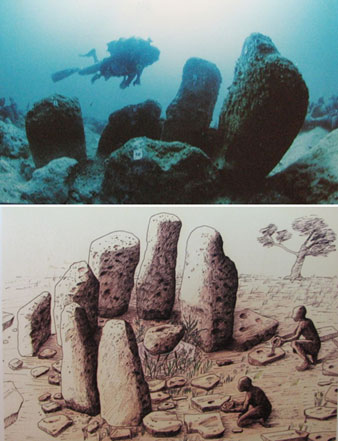
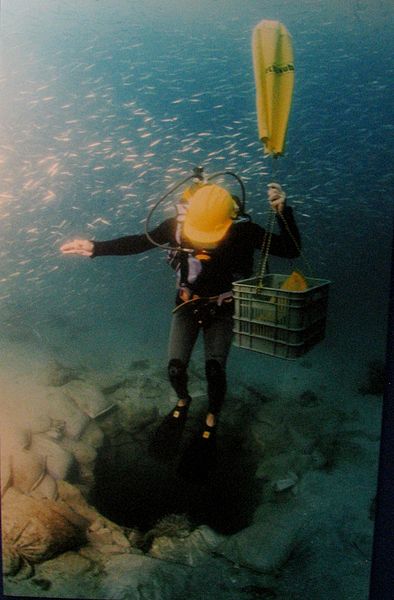
In 1984, deep-sea divers looking for shipwrecks discovered the ancient city of Atlit Yam. This prehistoric fishing village ‘drowned’ 9,000 years ago, likely because of a tsunami or climate change. It remains one of the best-preserved submerged settlements in the world.
According to The Times of Israel, excavations and surveys conducted between 1985 and 2000 revealed even more. Sea-level rise forced the inhabitants of this Neolithic village to abandon their homes several times for higher ground. Therefore, studying their technology and artifacts reveals how they coped with a changing climate. Additionally, within Atlit Yan, divers found the earliest-known constructed freshwater wells with stone walls still intact.
Human remains buried at Atlit Yam also helped archaeologists uncover the earliest known cases of human tuberculosis (TB), in the bones of a mother and baby. This discovery showed scientists that the disease is 3,000 years older than previously speculated.
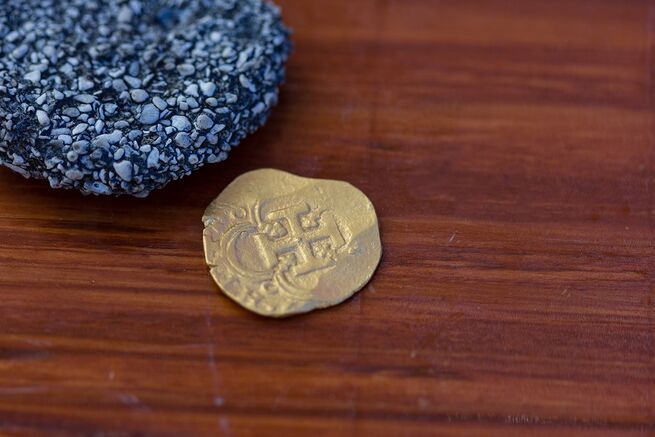
3. Shipwrecks and Treasures in Florida — 2 Discoveries in 1
We credit salvage divers and treasure hunters for many of the amazing finds beneath the surface. One of the most famous is the wreck of the Nuestra Señora de Atocha. Sinking in 1622 in a hurricane, the famous ship was laden with gold, silver and other precious cargo.
That’s what legendary treasure hunter Mel Fisher and his team of divers went out in search of. After looking for 16 years, they finally found the Atocha in 1985. Since then, his divers have retrieved more than US $400 million worth of treasure from the ocean floor.
Bill and Julie Moore met as divers on Fisher’s ‘golden crew’ that discovered the Atocha. Then, in July 2021, the Moores’ son, Zach found an extremely rare coin on the exact same wreck. Zach is currently a diver and engineer at Mel Fisher’s Treasures. The coin was sitting in just about 30 feet (9 meters) of seawater. It glimmered and caught his eye.
The coin is worth at least US $98,000 and is the first gold coin found on the wreck in 20 years.
“There’s nothing like finding treasure, first of all, but there’s nothing like finding gold,” Moore told the Miami Herald. “Gold shines forever. It looks and feels exactly the same as the day it went down 400 years ago.”
He added, “Scuba diving for gold — it runs in the blood. I’ve just got to get back out there so I can find more.”
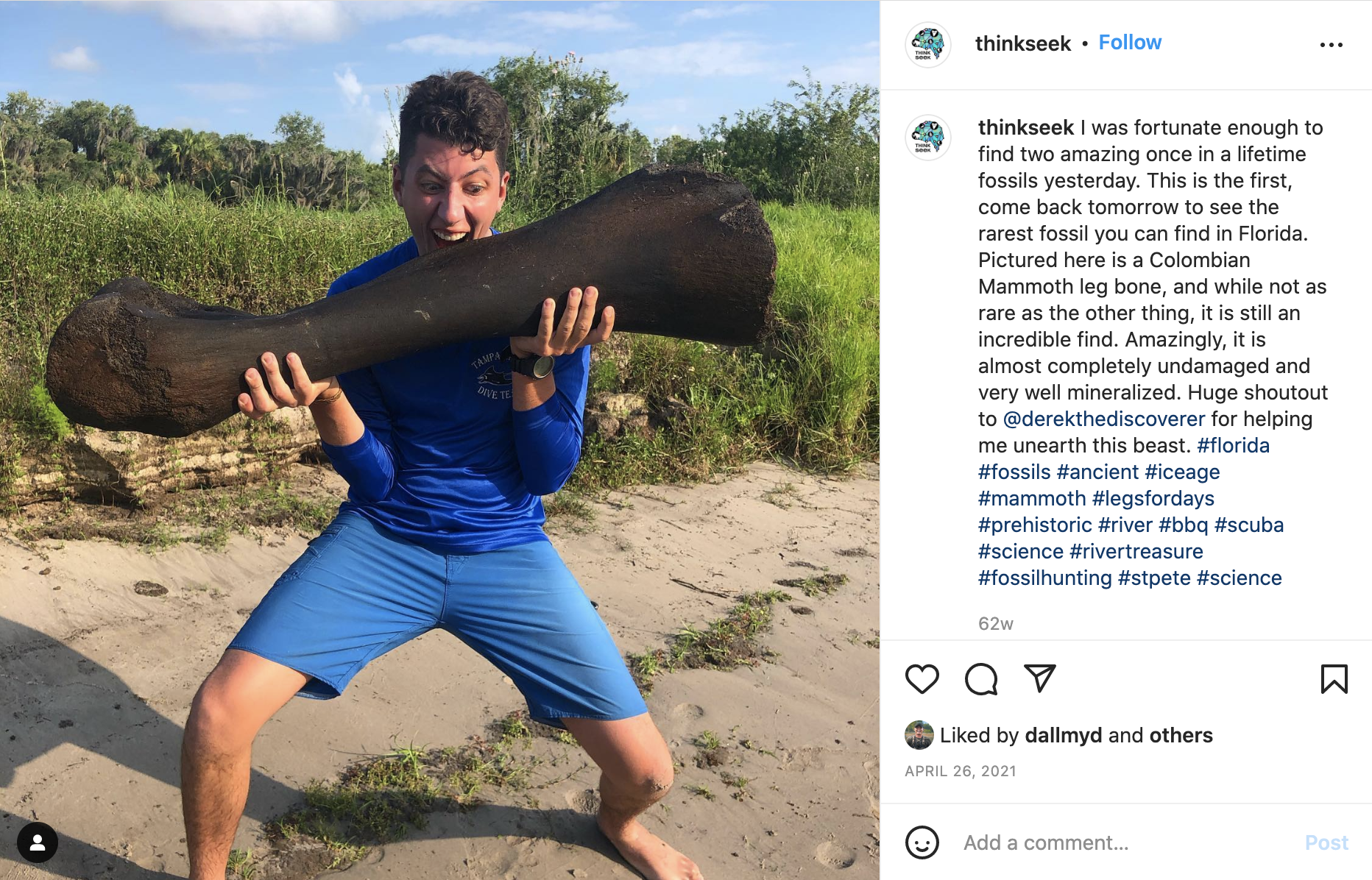
4. A Mammoth Discovery — Literally!
In May 2021, two scuba divers made a gigantic discovery of prehistoric proportions. In Florida’s Peace River, embedded in the sand, they found a four-foot (1.3-meter), 50-pound (23-kilogram) mammoth leg bone. The once-in-a-lifetime discovery could date back as far as the Ice Age.
Found by Florida scuba divers Derek Demeter and Henry Sadler, the bone was well mineralized and almost completely undamaged. As it turns out, it came from a Columbian mammoth. This type of mammoth was the largest of its kind. Paleontologists estimate that the animals stood 14-feet (four-meters) tall and weighed “about five cars stacked on top of each other,” NDTV reported. Moreover, their tusks reached wider than two bicycles laid end-to-end, the report continued.
Mammoths, the ancestors of modern-day elephants, went extinct about 11,000 years ago.
Incredibly, the pair found something even rarer the next day: a tooth from a saber-tooth tiger.
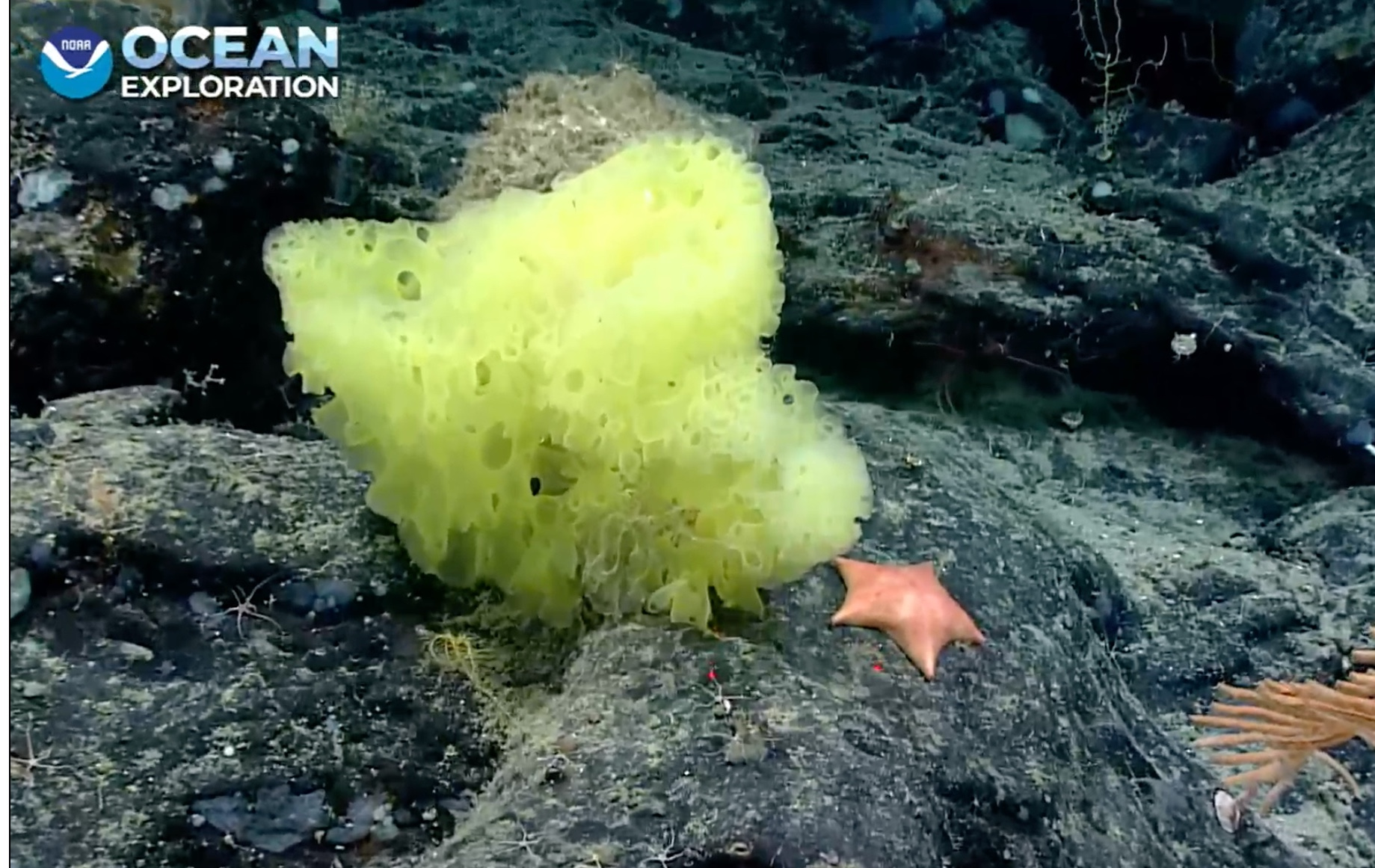
5. Spongebob and Patrick: A Childhood Throwback
Did you grow up watching Nickelodeon? If so, you might recognize the next fun discovery: two of our favorite marine cartoon characters.
When NOAA scientist Christopher Mah saw the live feed from an underwater submersible, the image on screen immediately triggered a memory in him, KSAT reported.
A yellow sponge and a pink starfish casually hanging out with each other were the ‘real life’ Spongebob Squarepants and Patrick Star.
Mah tweeted, “I normally avoid these references… but WOW. REAL LIFE Spongebob and Patrick!”
Unfortunately for this Spongebob, deep-sea stars are often predatory of sponges, and this Patrick was likely on its way over to enjoy a meal.
6. Ancient Skulls in a Mayan Cenote
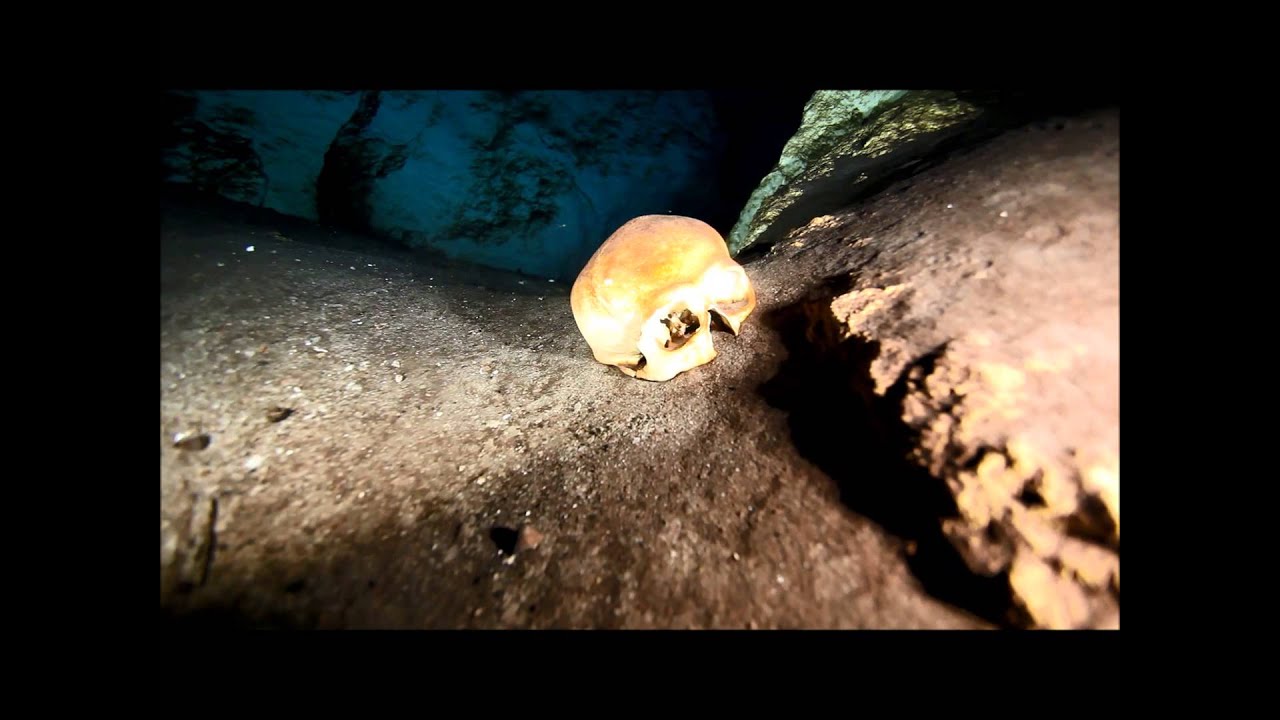
In 2014, underwater archaeologists exploring a flooded cave on Mexico’s Yucatán Peninsula discovered something mysterious: more than a dozen human skeletons resting on the cavern floor.
The site, known as Sac Uayum, is a cenote — a natural sinkhole formed when limestone bedrock collapses and exposes groundwater below. Cenotes held deep spiritual significance for the ancient Maya and were often associated with the underworld.
What made this discovery especially intriguing was the shape of the skulls. Many had elongated craniums that had been intentionally altered during infancy, a cultural practice found in several ancient civilizations. Residents of nearby villages have also long told stories about a feathered serpent guarding the cenote. While archaeologists found no evidence of this mythical creature, Sac Uayum reminds us that some of the ocean’s greatest mysteries are hidden in the stories of the people who came before us.
Click to display the embedded YouTube video
7. The Lost Egyptian City of Thonis-Heracleion
For centuries, Thonis-Heracleion occupied the same space as Atlantis — a city mentioned in ancient texts but believed by many to be little more than a myth. Then, in 2000, underwater archaeologist Franck Goddio and his team made one of the most remarkable underwater discoveries of modern times.
While surveying Egypt’s Mediterranean coast, they uncovered the remains of the ancient city of Thonis-Heracleion, which had disappeared beneath the sea more than 1,200 years earlier. Before it sank, Thonis-Heracleion was one of Egypt’s most important ports and trading centers. Ancient historians, including Herodotus, wrote about its grand temples, bustling harbor and connections to figures such as Helen of Troy. Yet for centuries, no physical evidence of the city had been found.
Beneath layers of sand and sediment, archaeologists uncovered giant statues, temples, gold coins, dozens of sarcophagi, hundreds of anchors and the remains of more than 60 ancient ships. The discoveries revealed a remarkably well-preserved city frozen in time.
“We are just at the beginning of our research,” Goddio told the Daily Telegraph in 2013. “We will probably have to continue working for the next 200 years for Thonis-Heracleion to be fully revealed and understood.”
Today, Thonis-Heracleion stands as proof that sometimes the line between myth and history is thinner than we think.
Help Protect What Lies Beneath
Every dive has the potential for discovery.
Sometimes it’s a centuries-old artifact, a rare marine species or a glimpse into the past. Other times, it’s something that shouldn’t be there at all — marine debris.
Through Dive Against Debris®, divers around the world remove underwater litter and report what they find, creating one of the largest underwater citizen-science databases on marine debris. By collecting data during your dives, you can help scientists, conservationists and policymakers better understand the challenges facing our ocean and take action to protect it.
The next time you descend beneath the surface, you could make a discovery that helps shape the future of the underwater world.