

Whether it’s your first dive in years or the last day of an epic liveaboard itinerary, a little preparation goes a long way toward your scuba safety and confidence. So, are you ready to go diving, and how can you tell?
Being prepared isn’t about having hundreds of dives under your weight belt. Instead, it’s about knowing your purpose and abilities and staying fit and healthy. It’s also about good dive planning, making sure your gear is ready and being open to learning new things.
There’s no single checklist because every diver is different. All the same, asking yourself the following questions can help you decide if you’re ready to go diving – and avoid unwanted surprises on the day.
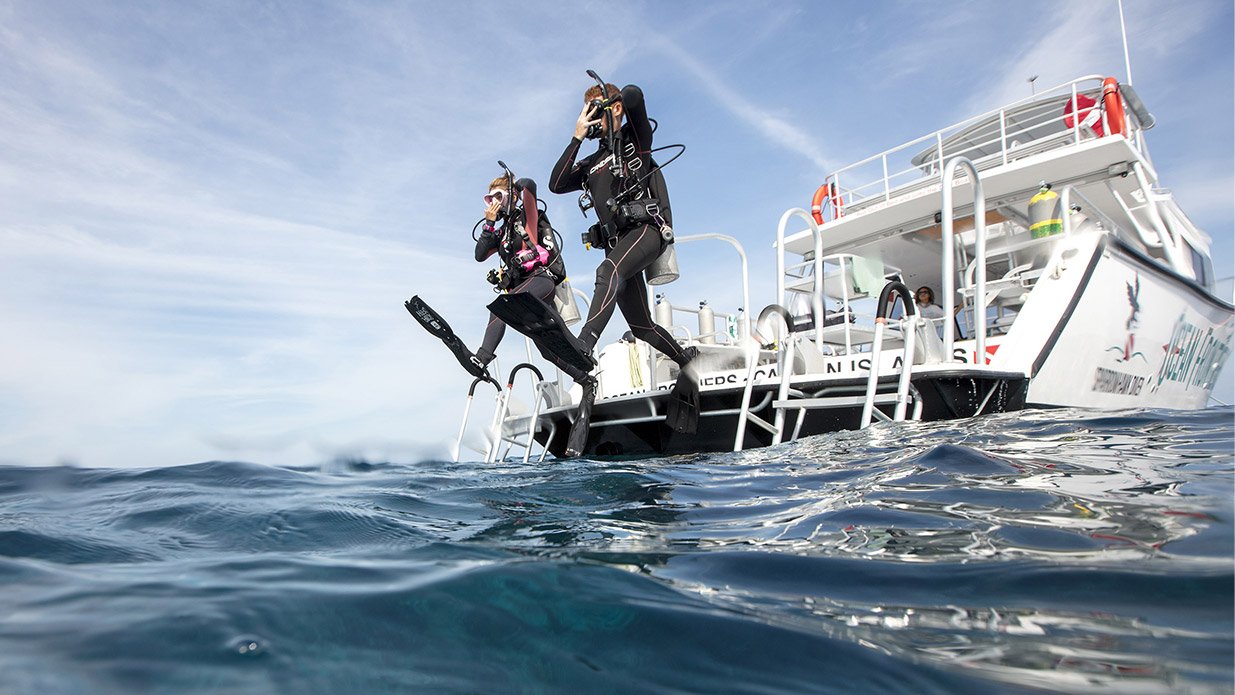
Do You Need a Scuba Refresher?
Sometimes, being prepared means revisiting the basics.
If it’s been six months or longer since your last dive, then it’s a good idea to refresh your scuba skills and knowledge before getting back into the water.
This doesn’t mean learning how to dive all over again. Rather, it’s a reassuring reminder of what you already know ahead of your next adventure.
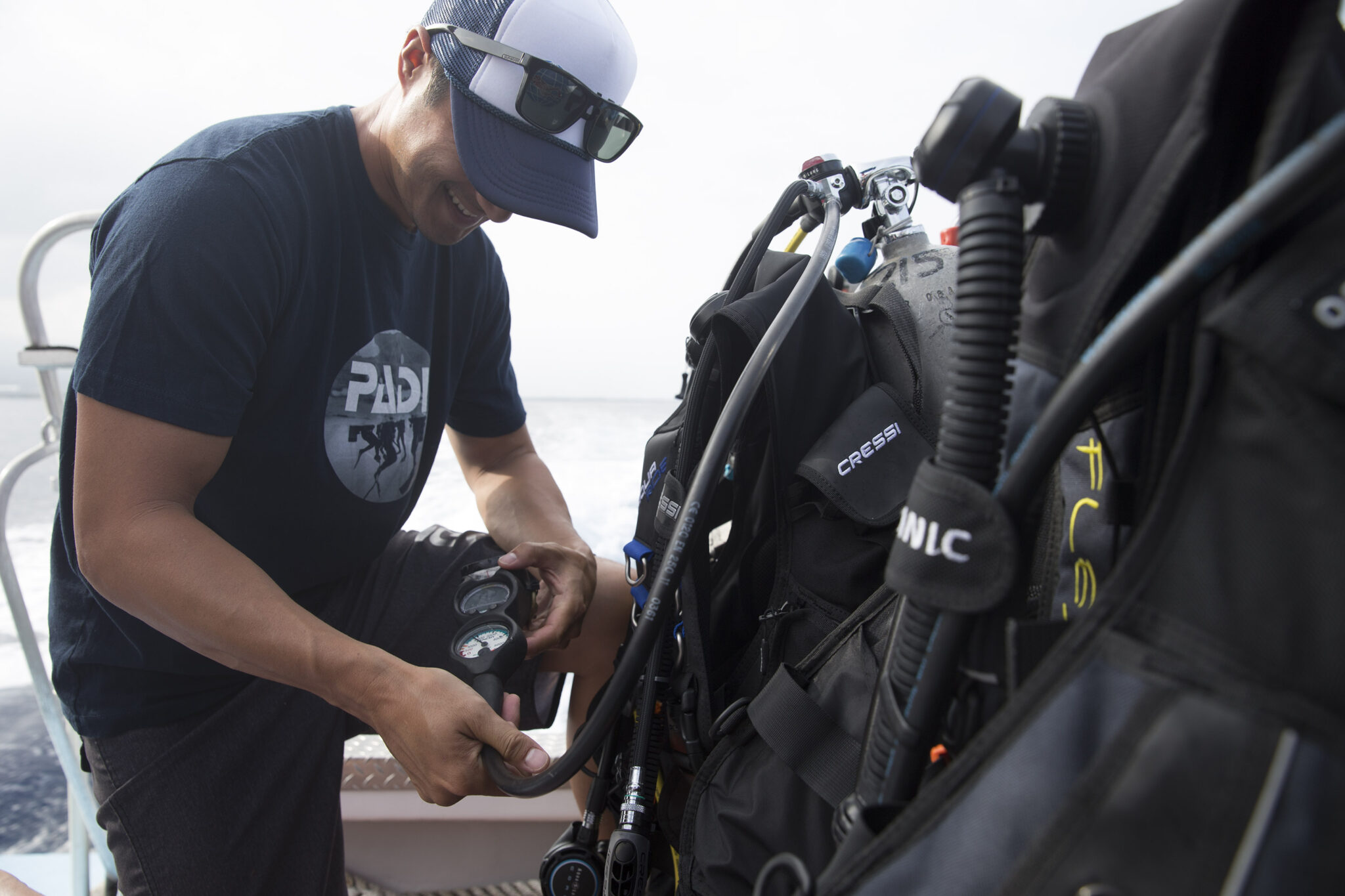
Is Your Scuba Gear Ready?
Your equipment should be as prepared as you are, so it’s worth setting aside time before you go scuba diving to:
- Make sure everything you own is serviced and working
- Try on and test any rental equipment
- Get the right training and practice with new gear
Nearer the time, run through your dive gear checklist to make sure you’ve packed any specific accessories (such as a dive light for night dives or a mesh bag for collecting debris) – and don’t forget your save-a-dive kit!
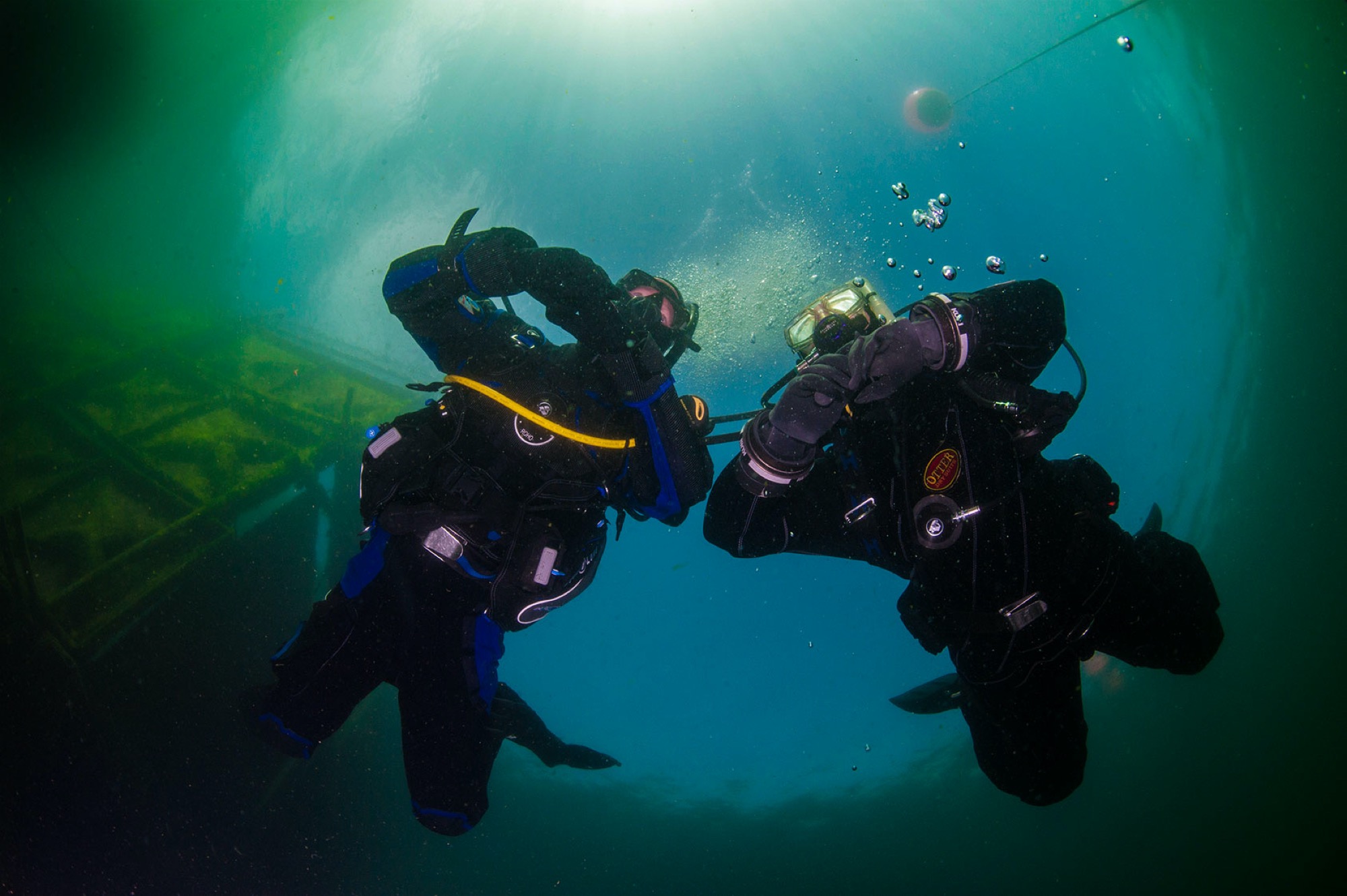
Is Your Dive Buddy Ready?
Before getting ready to scuba dive, think about who’ll join you and make sure you’re both ready to be the best dive buddy possible.
If your experience differs, this could mean leveling up your scuba diving skills for the planned itinerary, such as learning how to drift dive or improve your navigation skills underwater. Otherwise, it could simply mean brushing up on hand signals or going through the BWRAF checklist together.
Or, if you don’t have an underwater sidekick, try vacations aimed at solo travelers or join your local dive club.

Are You Physically Ready To Dive?
Staying “dive fit” can help make your underwater adventures safer, easier and much more fun. This involves:
- Keeping up a reasonable level of physical fitness (try these exercises or yoga)
- Getting a good night’s sleep before diving
- Fueling your body with superfoods
- Drinking plenty of water (and avoiding alcohol before diving)
- Skipping the dive if you have a cold or allergies
Always consult your physician if you have any concerns about your medical fitness for diving.
Are You Mentally Prepared?
Whether you’ve got pre-dive jitters before your next scuba course or want to be fully present for every moment of your long-awaited vacation, mental preparation for diving is just as important as physical fitness.
In particular, mindfulness and meditation are proven techniques to calm the mind and focus your thoughts – leaving you free to enjoy your time below the waves.
Do You Have a Dive Plan?
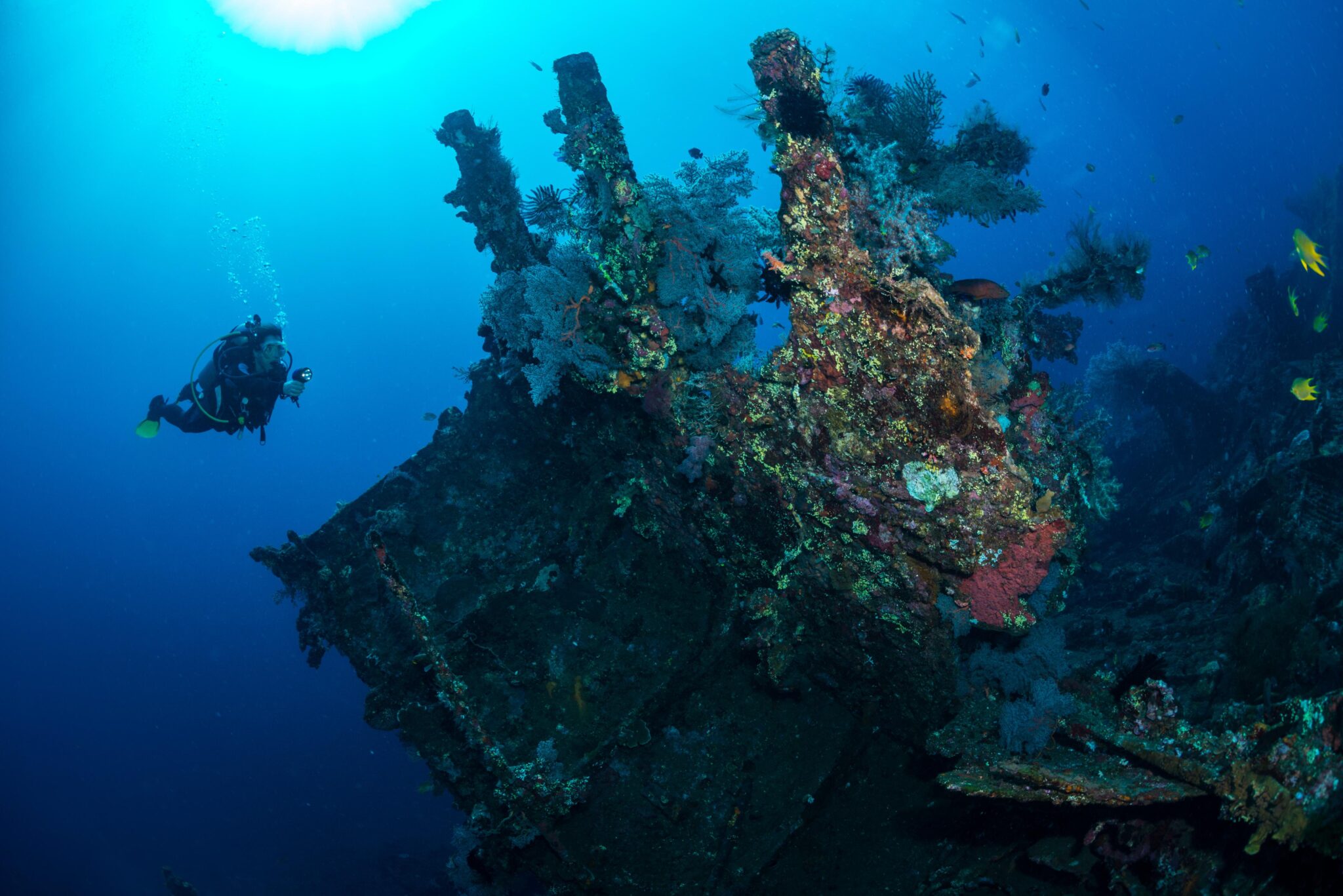
Are you (and your buddy) hoping to photograph tiny nudibranchs, clean up plastic trash, explore a shipwreck’s history or finesse your hovering skills?
Before answering the question, “Are you ready to go diving?”, it helps to know the purpose of your dive. Then, you’ll be able to plan your basic needs (time, depth and gas), but also what equipment to bring, which marine life hand signals you might need, or if there’s a specialty course that supports your goals.
Of course, things like weather, equipment or buddy changes can result in last-minute tweaks to your original plan – so always listen to the dive briefing before entering the water.
Do You Know What To Do in an Emergency?
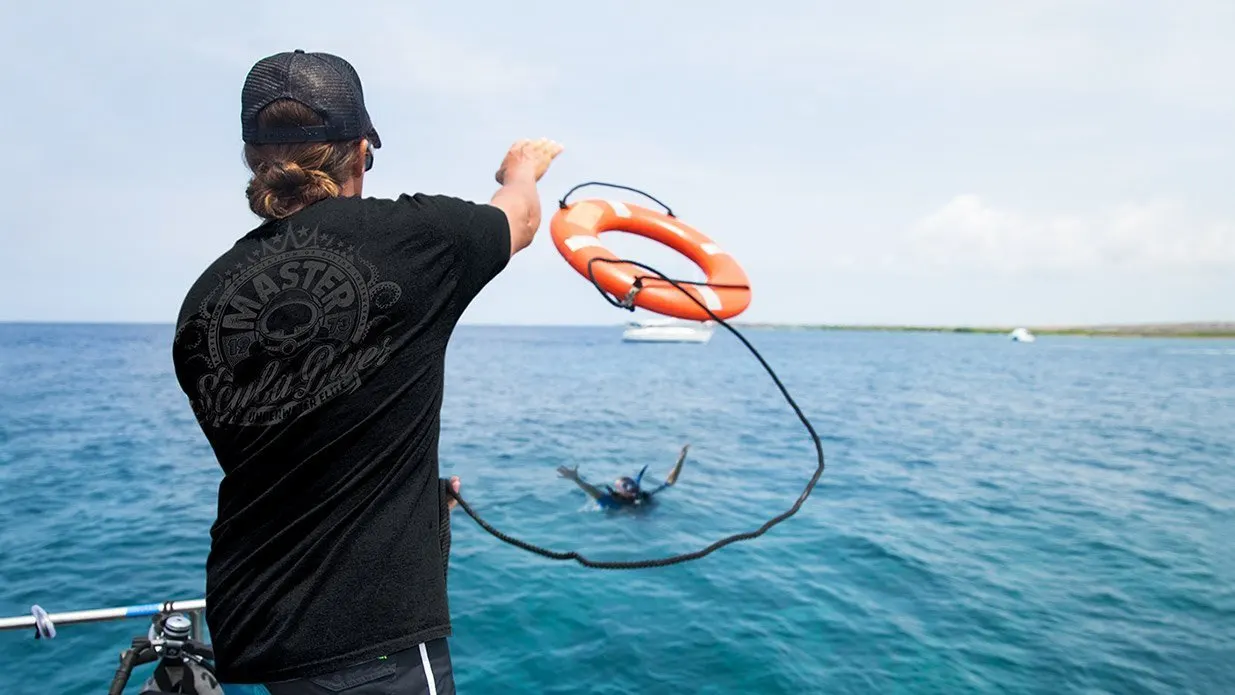
Scuba diving has an excellent safety record. Even so, knowing what to do if things don’t go to plan is an important part of being ready to dive.
For newer divers, this might just be knowing where the first aid kit is or who to call for help. If you’re already certified, the PADI Rescue Diver course is a rewarding next step in which you’ll have serious fun while learning to recognize and respond to diving emergencies.
Meanwhile, the Emergency First Response® and PADI Emergency Oxygen Provider courses are perfect for divers and nondivers who want to gain confidence in emergency assistance.

Have You Considered Your Impact?
Before you head out on your next trip, think about how you can give back and help protect the ocean. Even small actions make a difference:
- Be an eco-tourist
- Support community conservation
- Get involved in a Dive Against Debris®
- Buy reef-friendly sunscreen
- Control your buoyancy
- Unpack single-use plastic from your bag
- Contribute to citizen science
Are You Ready To Go Diving Abroad?
Our travel planning tips can help if you’re preparing for your next scuba diving holiday. For example:
- Check your passport and visa requirements
- Arrange travel vaccinations
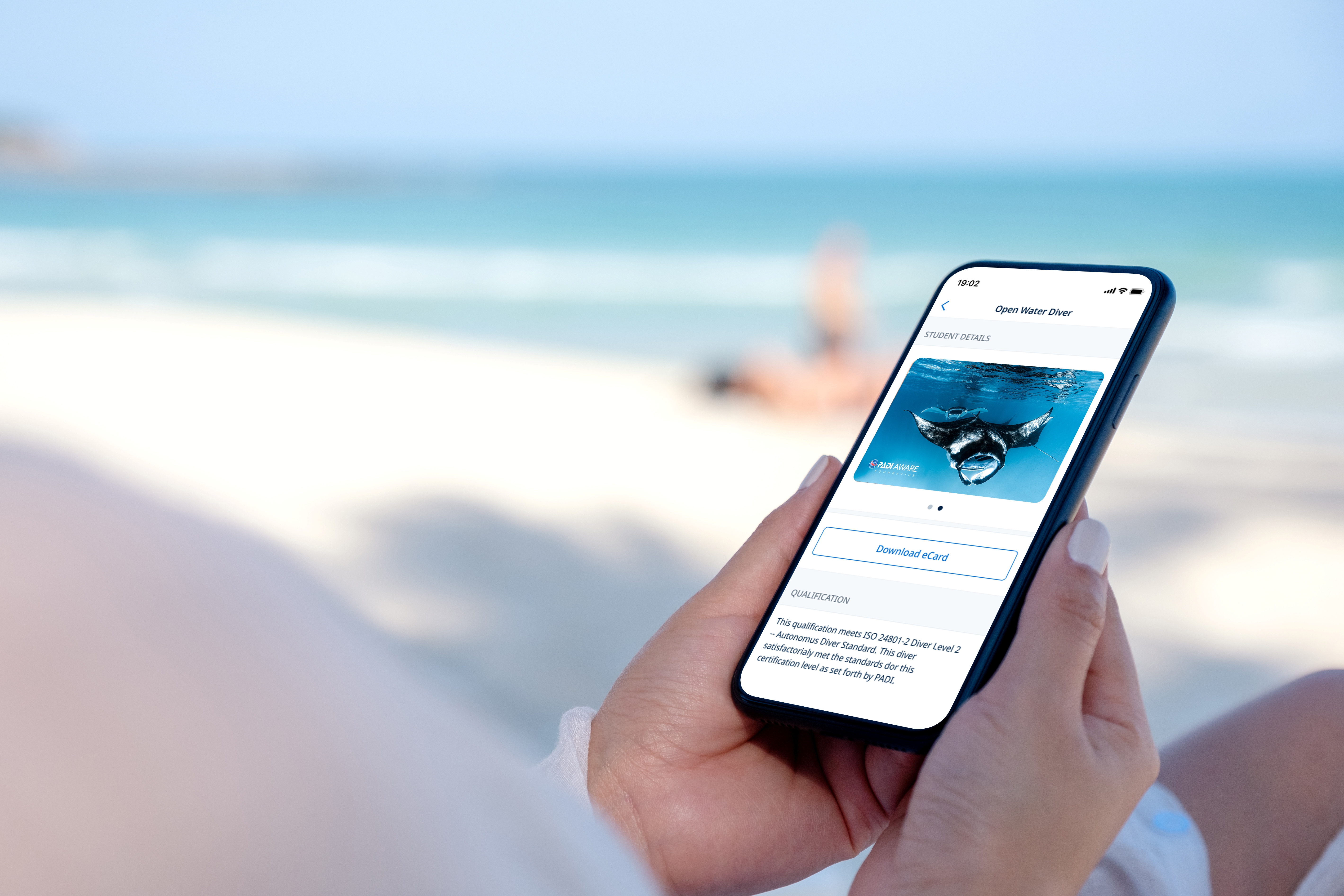
- Find your certification card (or order a replacement)
- Make sure your travel insurance covers your planned dives
- Double-check your scuba packing list
Also, plan enough time between any flights and diving; DAN’s recommendation is at least 24 hours before flying after diving.
Are You Ready To Keep Learning?
One of the best things about diving is that there’s always something new to discover, and the most prepared divers never stop learning.
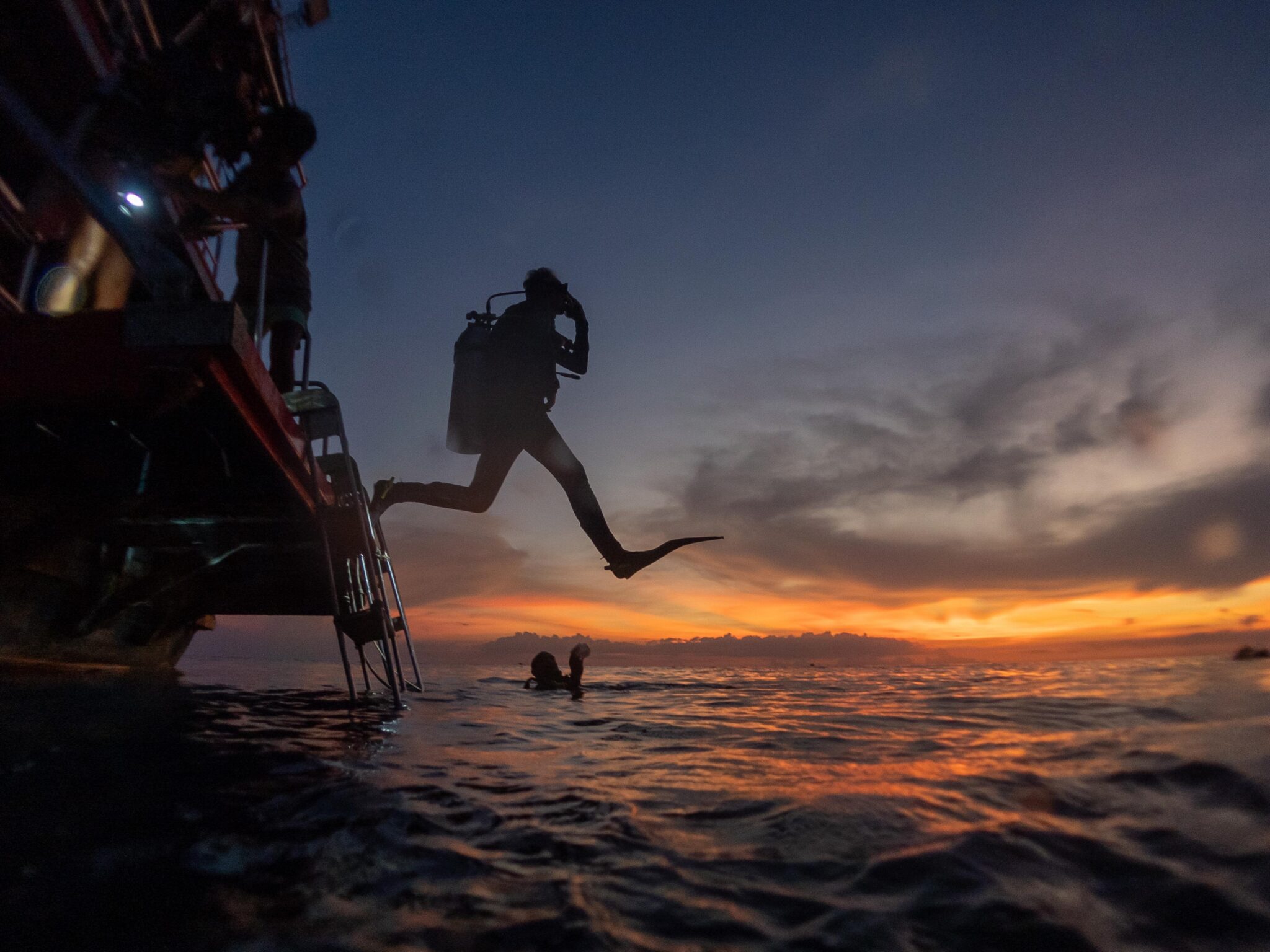
Being ready to go diving could mean fine-tuning your underwater photography or earning a certification that lets you dive after dark, underneath ice or even in the mountains. Whatever your scuba wishlist, the more you learn, the more reasons you’ll have to look forward to the next adventure.
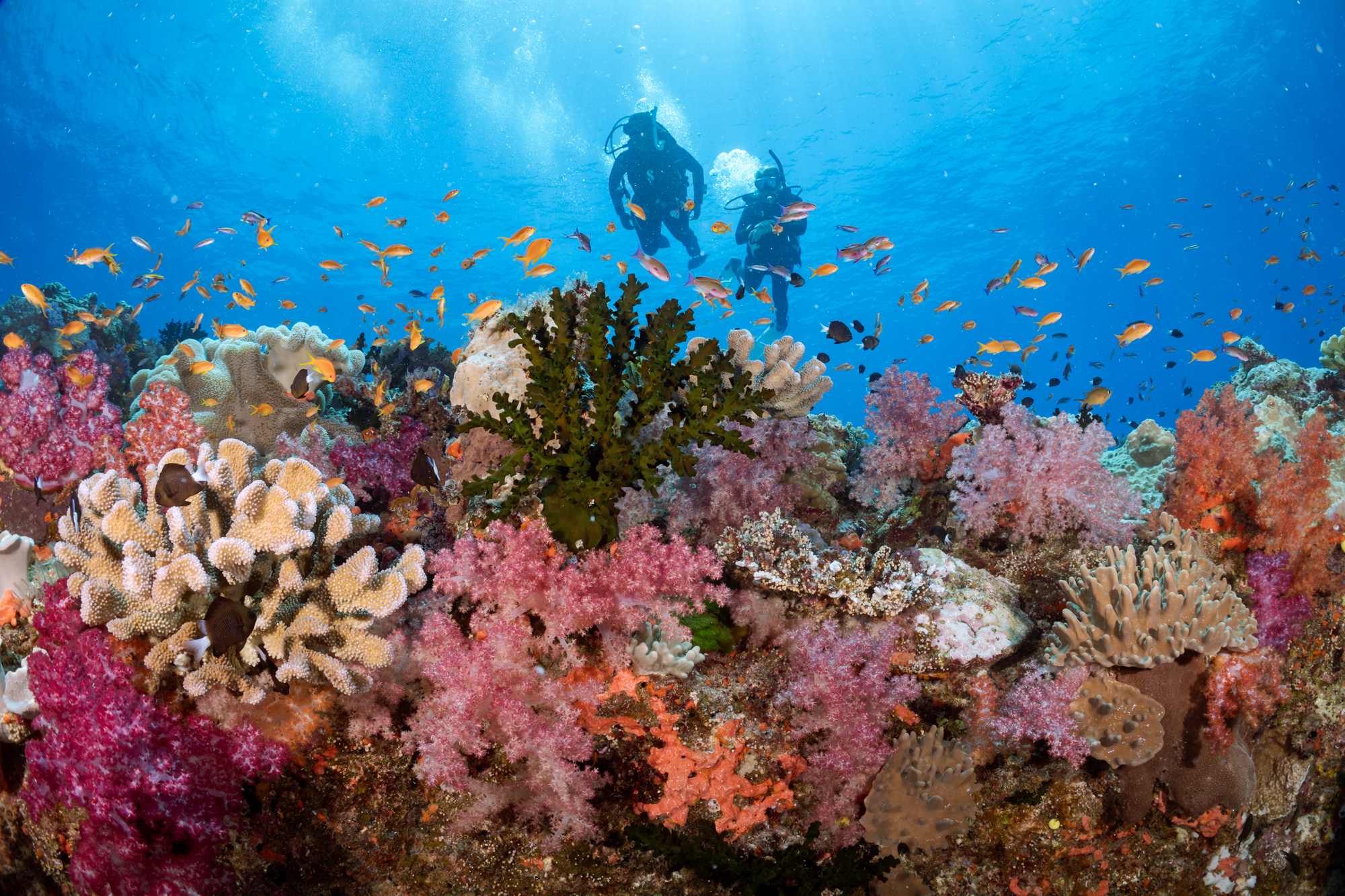
Are You Ready To Go Diving?
As you can see, the best dives start long before you enter the water. The right preparation will help you feel confident, comfortable and ready to appreciate every second beneath the surface.
Then, when you’re ready, the ocean will be waiting.