
Breathing underwater, exploring caverns and swimming alongside sharks. Scuba diving can seem extreme. But is it really dangerous? In this article, we answer the commonly asked question: Is scuba diving safe?
Scuba diving is enjoyed by thousands of people worldwide every day. Whether divers are floating over colorful coral reefs, spotting sea turtles or navigating mysterious shipwrecks, the sport offers a unique combination of adventure, relaxation and a connection to the underwater world.
Despite its adventurous appeal, scuba diving is considered a low-risk activity compared to many other outdoor and sporting activities. Even common activities like swimming, jogging and riding all-terrain vehicles have higher reported fatality rates than diving.
Read on as we break down the facts, explore scuba diving risks, address common fears and share practical tips to stay safe underwater.
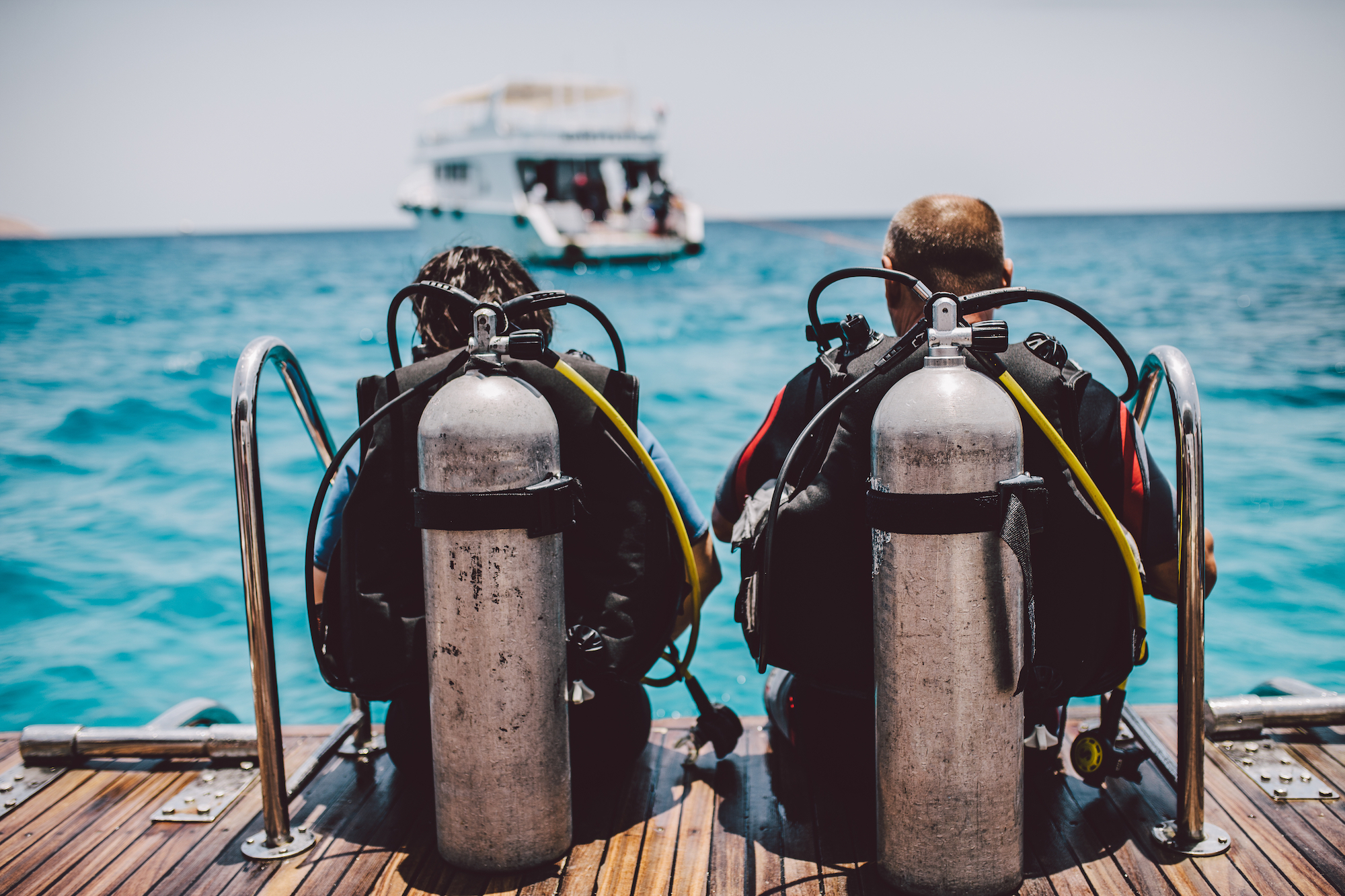
How Likely Are You To Be Injured While Diving?
The most common medical issues associated with scuba diving are sunburn, seasickness and dehydration (all of which are preventable). There are very few injuries associated with scuba diving that require any medical attention. On average, there are only 1,569 scuba-related emergency room admissions in the US each year.
To put this in perspective, here are the estimated average annual ER admissions in the US for other popular sports:
| Sport | Estimated Average Annual ER admissions (US, 2016-2020) |
| Swimming | 101,822 |
| Fishing | 65,728 |
| Volleyball | 48,582 |
| Horseback riding | 45,235 |
| Golf | 36,616 |
| Snowboarding | 19,706 |
| Bowling | 15,055 |
| Scuba diving | 1,569 |
Source: US Consumer Product Safety Commission / NEISS (US Data, 2016–2020)
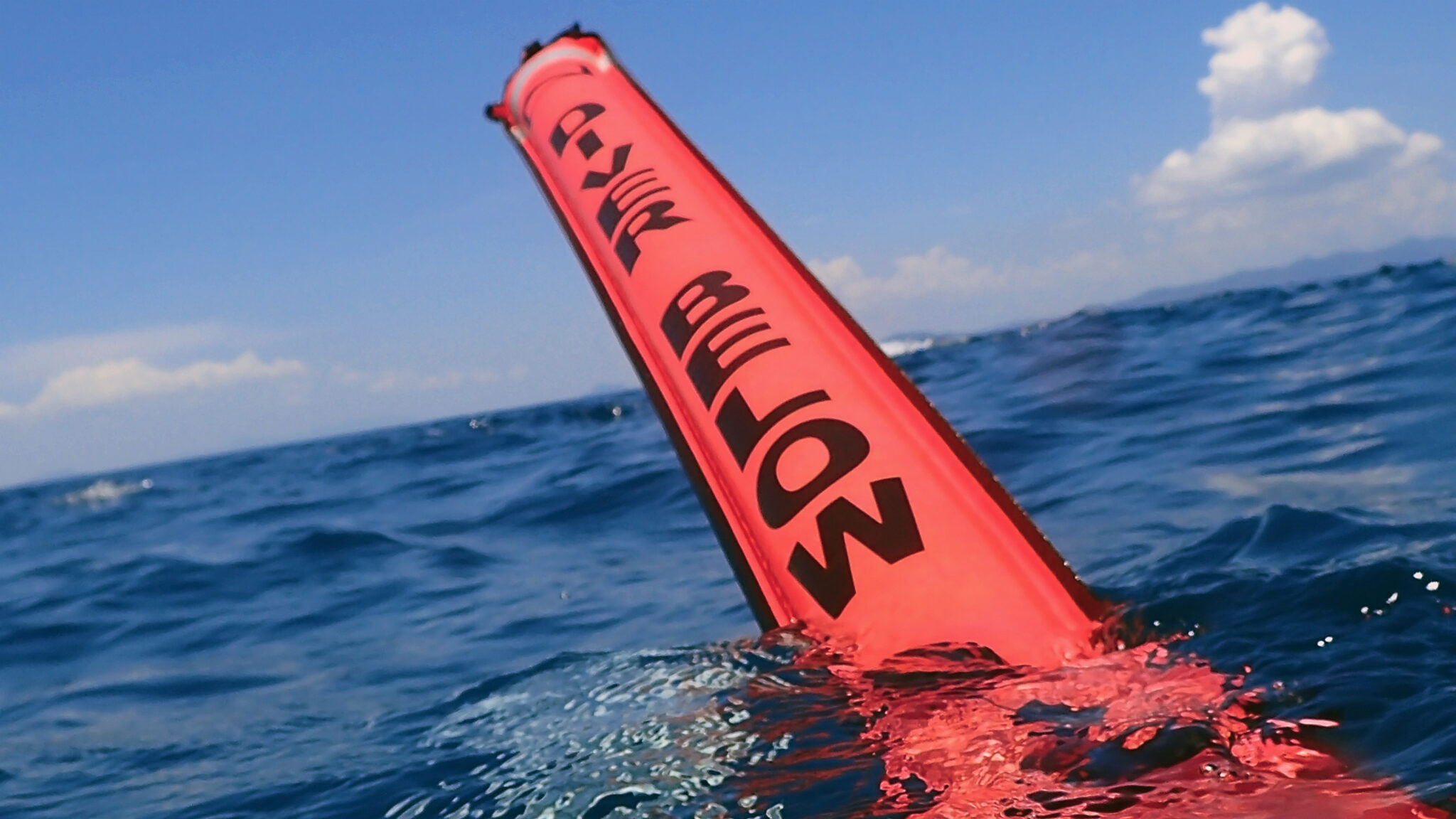
What Are the Risks of Scuba Diving?
The main risks associated with scuba diving include:
These issues can have a variety of causes, such as failure to equalize properly, equipment failure, poor dive planning or ascending too quickly.
However, in most cases, divers can avoid these problems by following correct diving practices (like those taught in courses such as PADI Open Water Diver). Proper training ensures divers know how to recognize potential hazards and respond correctly.
Frequently Asked Questions About Scuba Safety
While some of these risks may sound serious, proper training and preparation make them manageable. Still, many divers, and especially beginners, have practical questions. This includes things like what happens if they experience equipment problems, panic or struggle with equalization.
Let’s take a closer look.
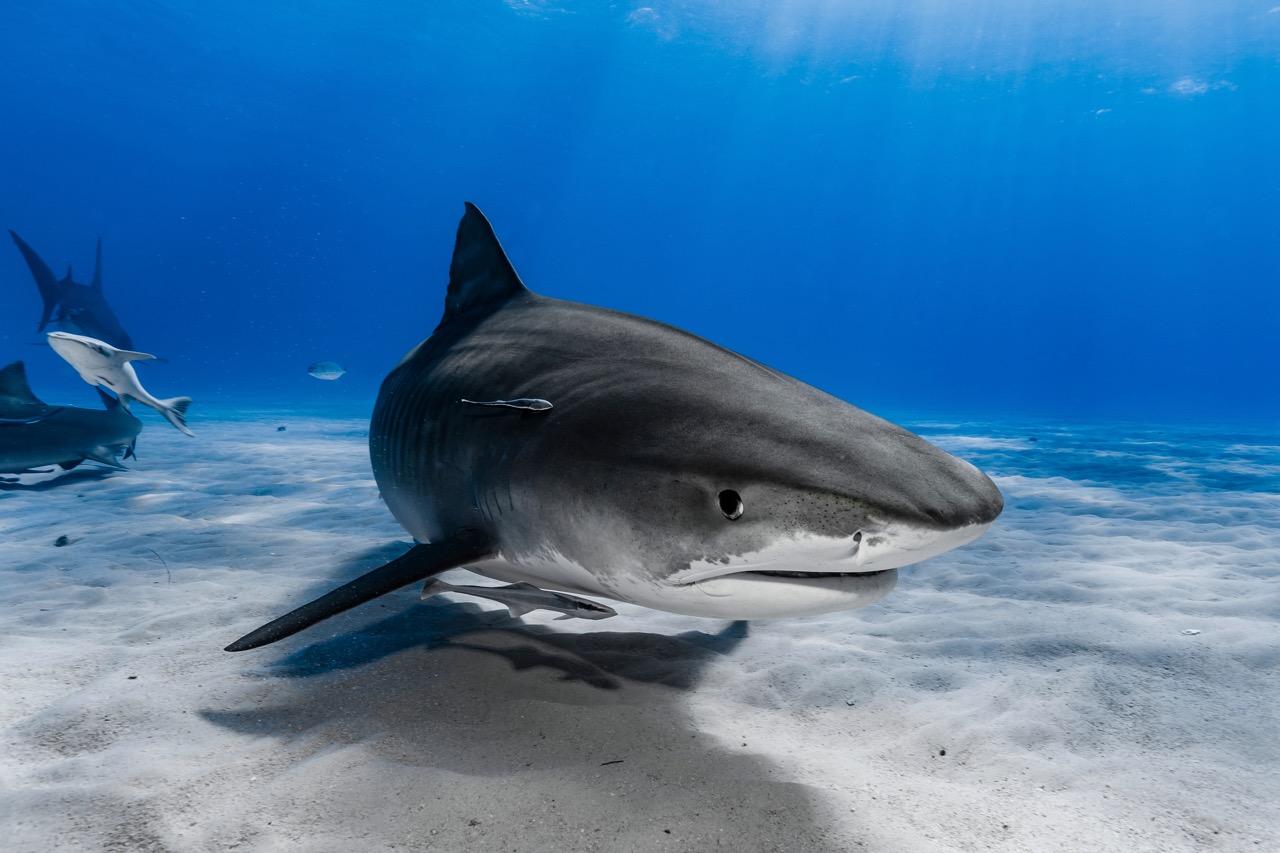
Are Sharks Dangerous While Scuba Diving?
Every year, dogs, snakes, crocodiles and even hippos kill more people than sharks. In Australia, for example, there’s an average of 10 horse-related deaths each year compared to five shark-related fatalities.
Much of the fear around sharks comes from the “Jaws effect” — the way Hollywood films have misrepresented the species over the years, creating an exaggerated sense of danger about an animal that is more unfairly persecuted than many people realize.
In reality, most divers love encountering sharks and often act as ambassadors for these misunderstood animals. It’s even common for divers to travel specifically to see sharks in their natural habitat.
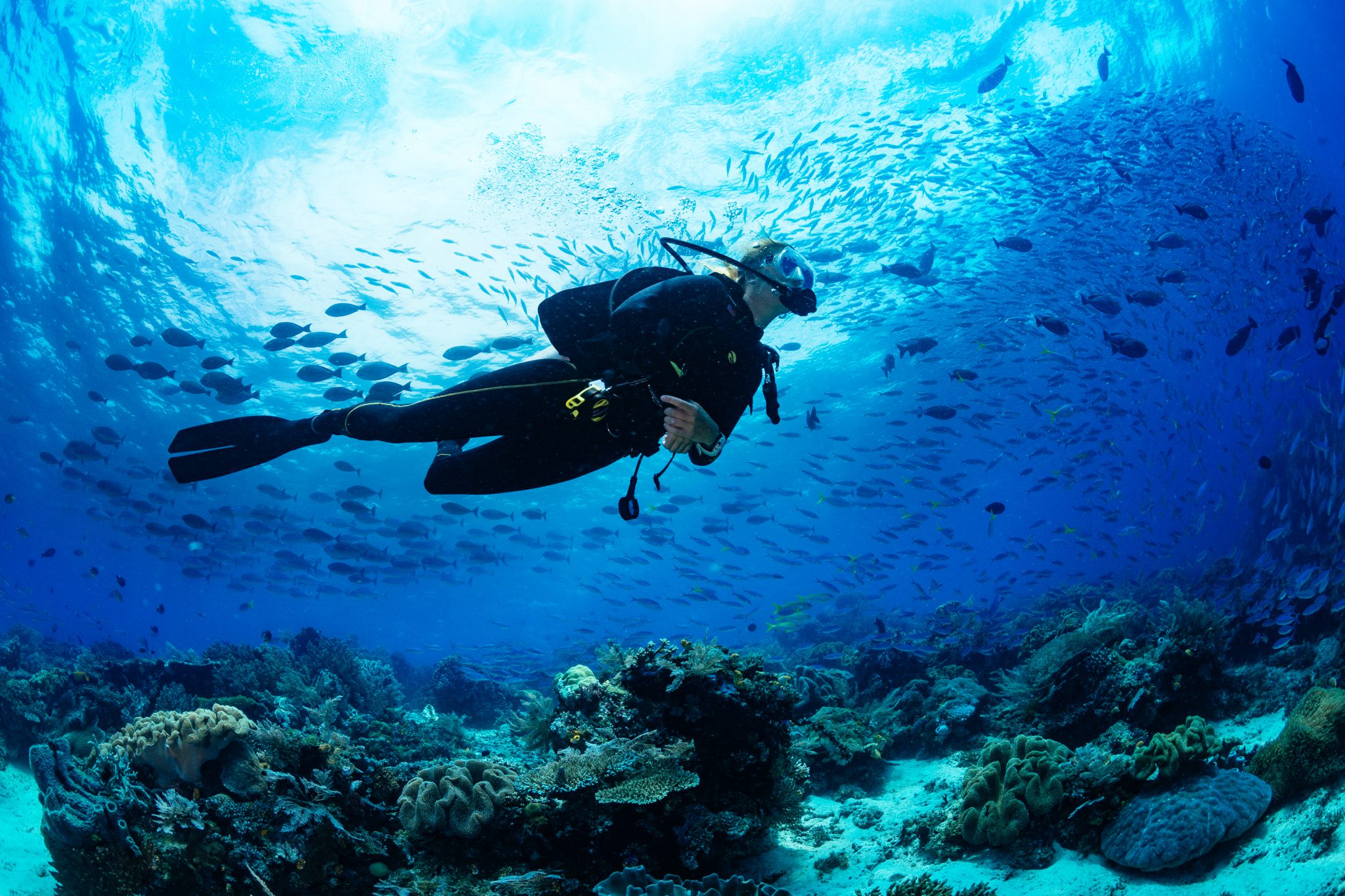
What Happens If I Panic Underwater?
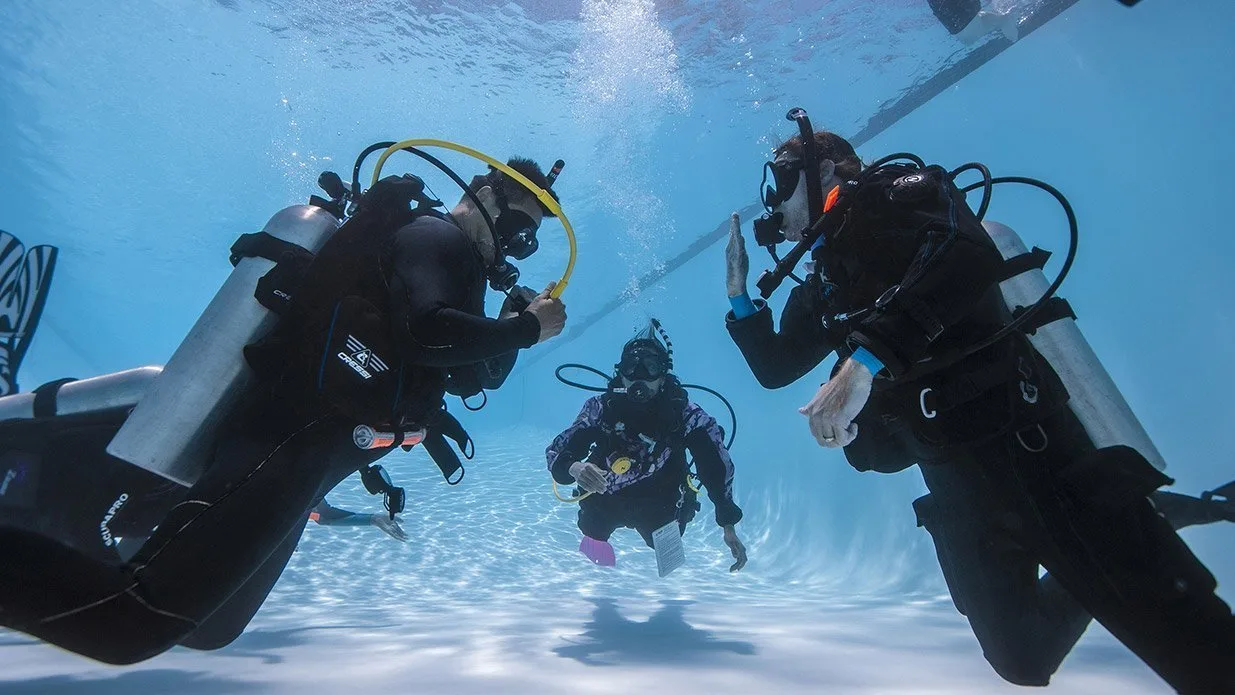
Panicking underwater is rare when divers are properly trained, but it can happen. Skills for managing predive anxiety and staying calm during a dive are taught in courses like the PADI Open Water Diver course. Controlled breathing, predive buddy checks and awareness of emergency procedures help divers remain composed underwater.
Learn more about managing anxiety while scuba diving in this article.
Click to display the embedded YouTube video
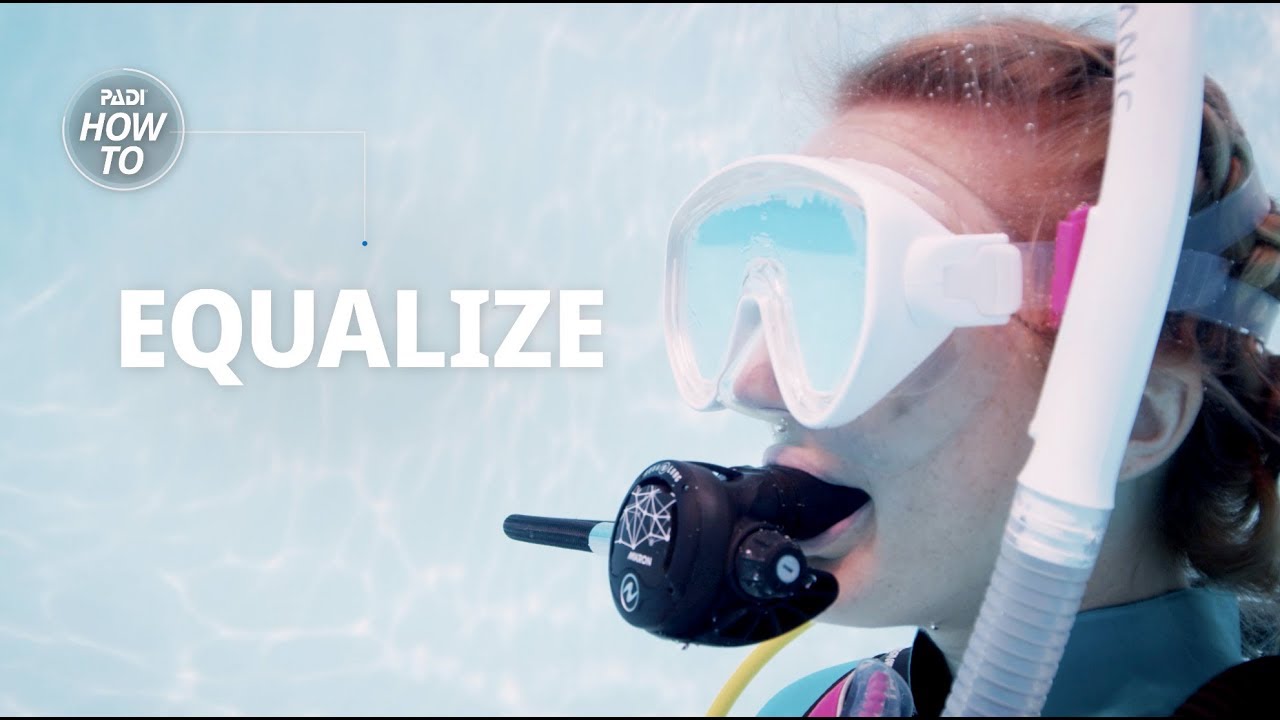
What Happens If I Can’t Equalize?
Almost every diver experiences equalization issues at some point, especially when starting to dive. Performing the correct techniques for aiding equalization, such as swallowing, yawning or gently blowing against a pinched nose, which are all taught in the PADI Open Water Diver course, usually resolves the issue.
The most important rule when equalizing is never to force it or continue descending. If you have trouble equalizing, safely ascend a few feet or a meter to reduce pressure and try again. With proper training and technique, most divers are able to equalize comfortably.
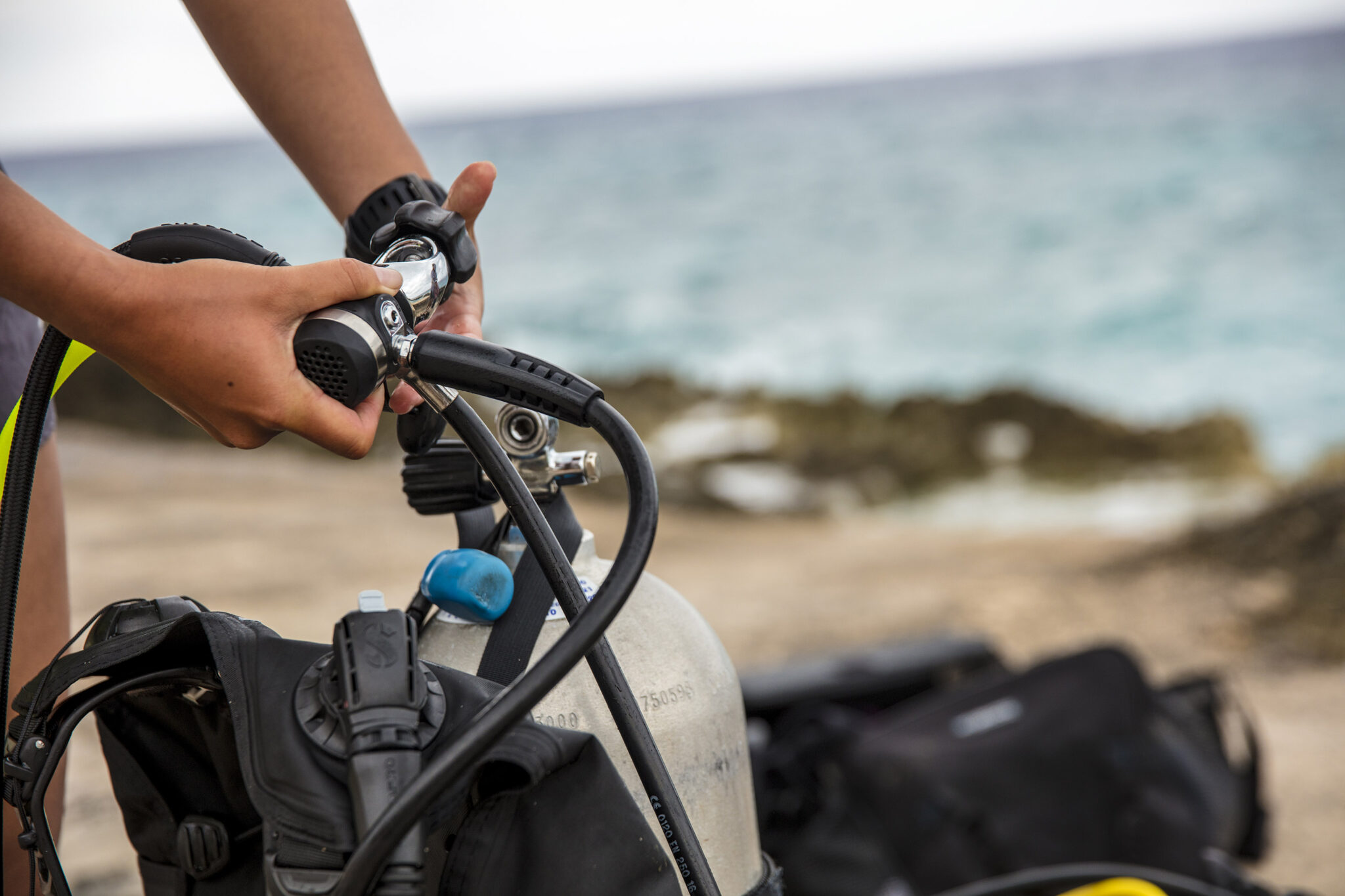
Does Scuba Diving Equipment Ever Fail?
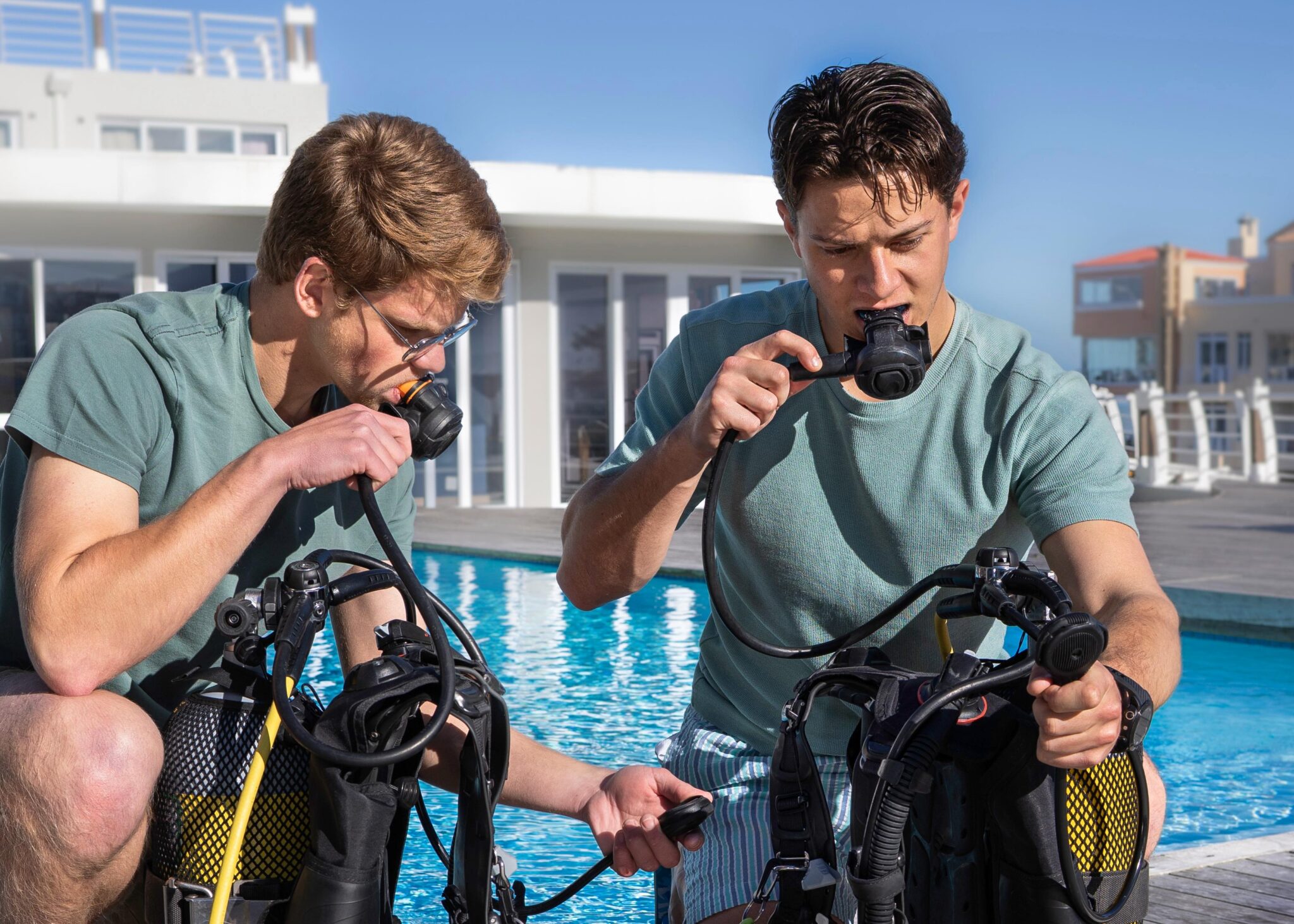
Scuba diving equipment is highly reliable. With proper maintenance, regular checks and using the gear as it was designed, failures are extremely rare. Divers should always perform a predive safety check to ensure all equipment is functioning correctly before entering the water to further minimize the chance of experiencing an issue.
If a problem does occur during a dive, the PADI Open Water Diver course teaches divers how to handle potential issues, including low-on-air and out-of-air emergencies.
For divers who want to deepen their understanding of scuba diving equipment, the PADI Equipment Specialist Specialty course provides in-depth training on maintenance, troubleshooting and proper use.
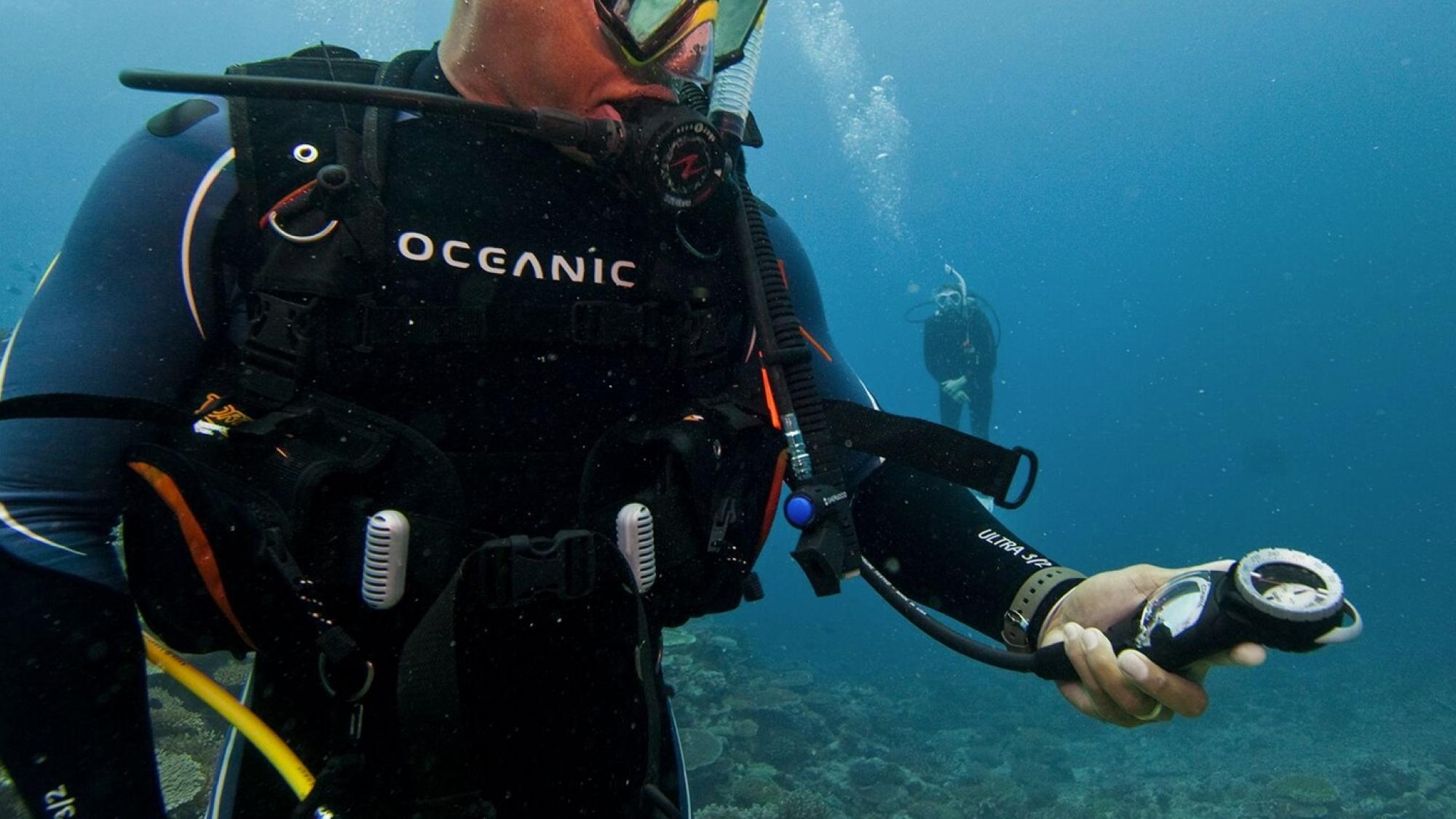
Will I Run Out of Air?
Your dive gear includes a pressure gauge that tells you how much air you have in your cylinder — think of it like the gas gauge in your car. By checking it regularly and always surfacing with plenty of air remaining, divers can easily avoid running out of air during a dive.
If a problem does occur, your dive buddy will be carrying an extra regulator. This allows you to share air while performing a controlled ascent to the surface.
Some divers also carry a small, independent backup supply of air for extra peace of mind. With proper training and careful monitoring, running out of air is extremely rare.

Is Scuba Diving Safe During Pregnancy?
There is limited research into the effects of diving on pregnancy. However, the accepted advice (and that included in the PADI Open Water Diver course) is that women who are pregnant or trying to become pregnant should not dive.
For those seeking more detailed information, you can learn more about diving and pregnancy in this article.
Do People Die Scuba Diving?
Like any activity in the natural environment, diving carries inherent risks that can never be fully eliminated. However, with proper training and adherence to safe diving practices, the likelihood of a fatal accident is very low.
The diver fatality study published by Divers Alert Network (DAN) states that among citizens of the United States and Canada, there were only 24 recreational diver fatalities reported in 2020 (the latest year for which data is available). With the US and Canada diver population estimated at 2.85 million, this equates to an approximate two per 100,000 participants fatality rate, which compares favorably with other common sports such as horseback riding.
Considering diving fatalities further, DAN’s Annual Diving Report shows that around 50 percent of scuba diving deaths are associated with an acute cardiac event. In addition, “one-third of the reported fatalities in 2020 were between 50 and 80 years of age.” Often, multiple pre-existing conditions are present: hypertensive heart disease, cardiomegaly, diabetes, obesity, in addition to advanced age and other risk factors like smoking.
*Divers Alert Network (DAN) publishes the DAN Annual Diving Report each year. It includes data and analysis on dive incidents, injuries and fatalities for a given year and a discussion on how to keep scuba diving safe based on emerging trends.

Essential Tips for Safe Scuba Diving
As well as completing (and following) the proper training and keeping skills up to date, there are many things every diver can do to dive safely and avoid scuba-related incidents. For example:
- Keep your equipment well-maintained and check it before every dive.
- Listen to the predive briefing so you know the plan — and any local hazards.
- Always do your predive safety check (buddy check). It’s important to address any potential issues before you enter the water!
- Don’t dive alone. A buddy isn’t just good company, but a partner in safety.
- Be fit to dive – both in general health and how you’re feeling on the day.
- Don’t touch! Many marine creatures can sting on contact or be dangerous when provoked.
- Travel safely. Always use sun protection and store gear securely while on boats.
- Know your limits and stick to them!
These guidelines apply to every diver, from beginners right the way through to the most experienced instructors. In addition, all PADI Professionals and Rescue Divers have completed training to deal with diving-related emergencies, and the Emergency First Response course is open to any level of diver (and non-divers).
Proper Training and Following the Rules Are Key
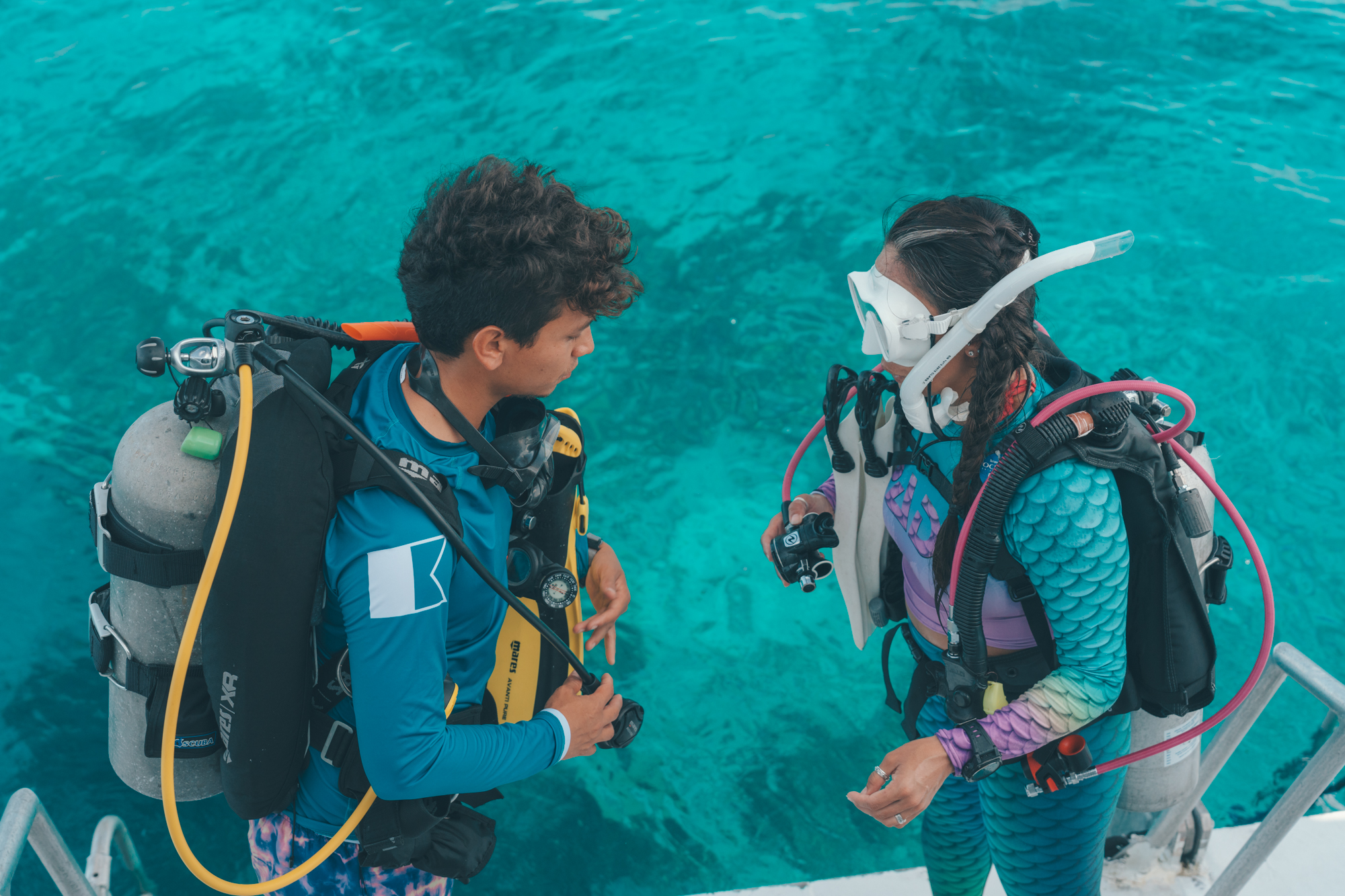
The majority of scuba diving injuries and fatalities result from diver error. For this reason, proper training and strict adherence to the rules and safe diving procedures learned in the course are essential.
In the PADI Open Water Diver course, divers learn important skills and safety concepts and practice them in a swimming pool (or an open water site with a pool-like environment) before moving on to the ocean, lake or other body of water. If you’re not sure if an Open Water Diver certification is for you, ask your local PADI Dive Center or Resort about a Discover Scuba® Diving experience. Divers get a chance to try on scuba gear, breathe using a scuba tank and become comfortable with scuba diving in a newcomer-friendly environment.
PADI Instructors uphold diving’s highest standards. All PADI programs fall under strict educational standards monitored for worldwide consistency and quality. PADI randomly surveys PADI Divers to confirm their courses meet PADI’s high standards as well as the divers’ expectations.
No other diver training organization works to maintain this level of professional reliability and integrity.
Ready To Get Started With Scuba Diving?
We hope this article has helped put your mind at ease and answered the question: Is scuba diving safe? If you have any additional questions, contact your local PADI Dive Center or Resort or connect with our community of divers on Facebook.
If you’re a certified diver, consider refreshing your skills with the ReActivate® Scuba Refresher Program or prepare yourself for your next dive with the DAN Prepared Diver course — both are included in the benefits of joining PADI Club. These programs help ensure you feel confident, safe and ready for your next dive adventure.