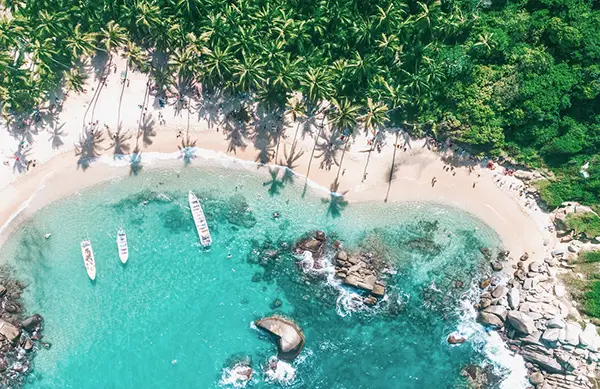
One of the best things about scuba diving is the variety of amazing marine animals you can encounter. It’s common for divers to have a bucket list of underwater creatures they hope to meet one day. And while each list may be slightly different, a few rockstars of the underwater world generally appear on every single one.
What follows is a list of the 17 most popular scuba diving bucket list animals. Although there are plenty of diver favorites that don’t appear here (some divers would love to dive with great white sharks, others… not so much), we created this list based on animals the majority of both new and experienced divers want to see (if they haven’t already).
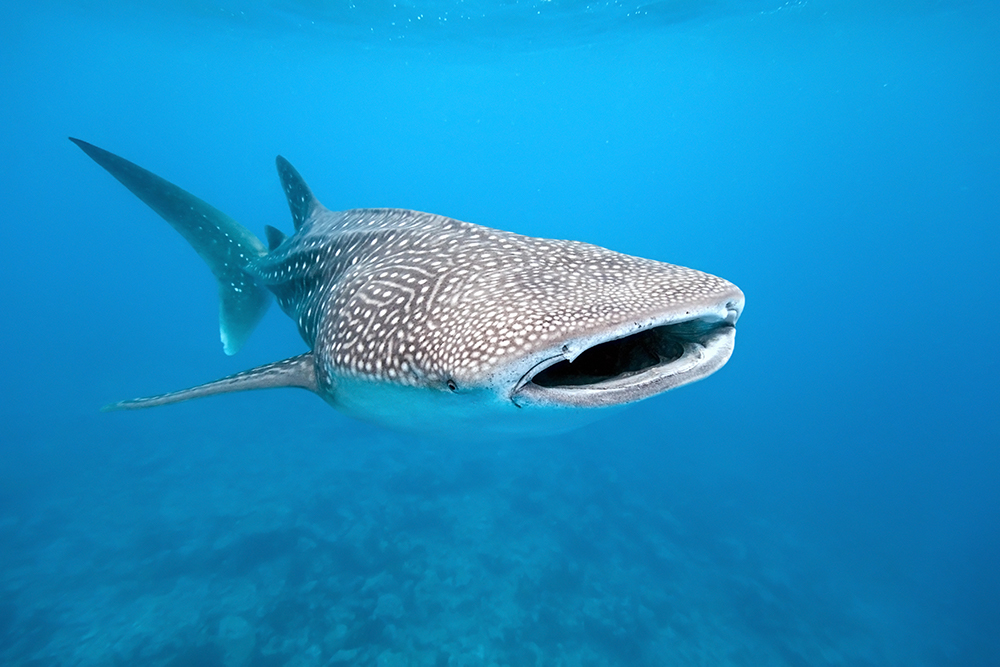
1. Whale Sharks
Massive and sometimes elusive, the whale shark can be found at the top of a lot scuba diving bucket lists. If you are open to a snorkel-only experience (this can increase your chance of success significantly), Isla Holbox and Isla Mujeres in Mexico are near-guaranteed places to see whale sharks during the right time of the year.
For scuba diving with whale sharks, the Galapagos, the Philippines, the Maldives and Mozambique offer some of the best opportunities. Each location has a whale shark season, so be sure to time your vacation accordingly.
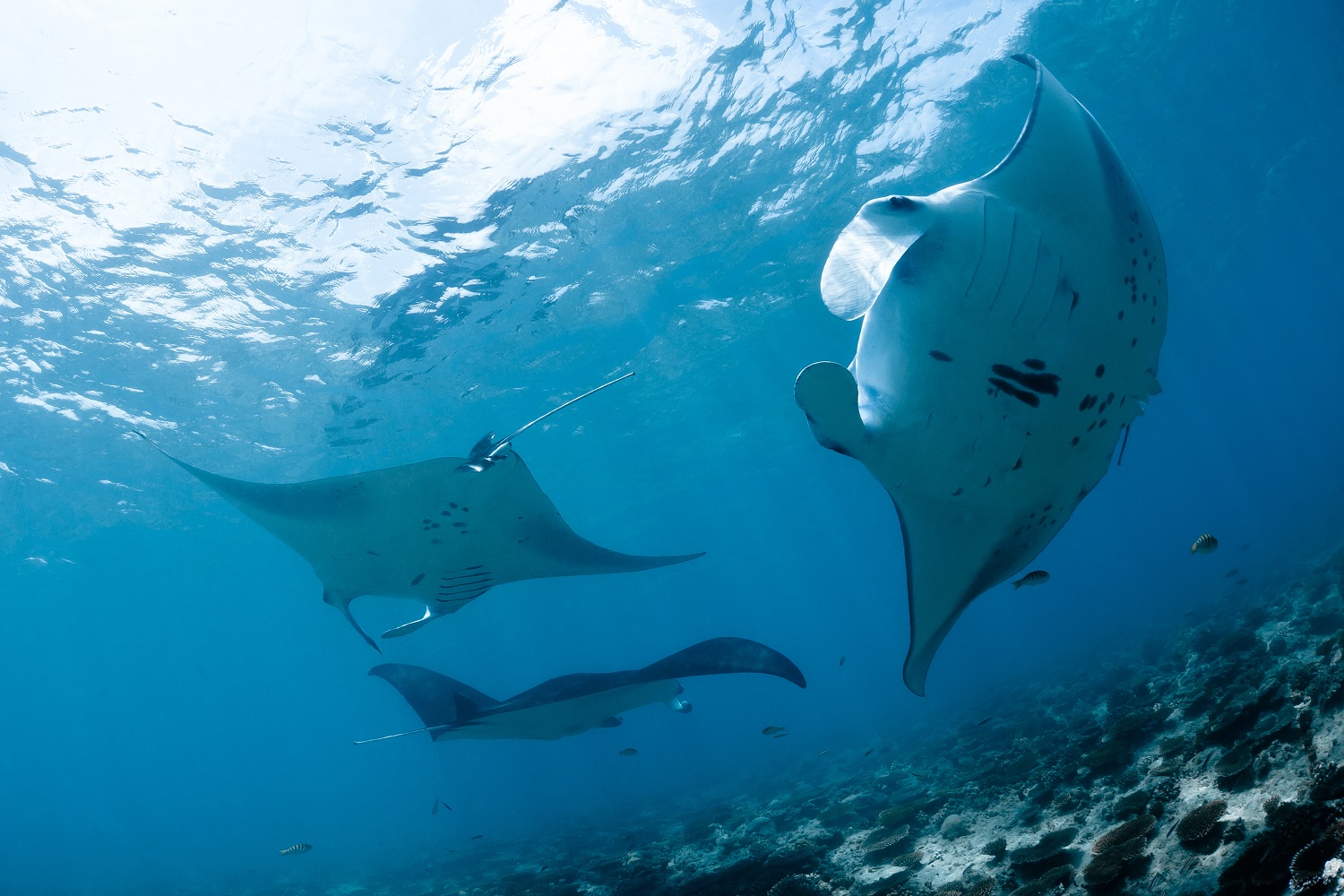
2. Manta Rays
Scuba divers aren’t the only people enchanted by manta rays; scuba diving or snorkeling with mantas can usually be found on any bucket list, diver-created or not. These graceful creatures are regularly encountered in Hawaii (home to the famous night dive in Kona), in addition to the Philippines, the Maldives, Indonesia, the Galapagos and Socorro (Mexico).
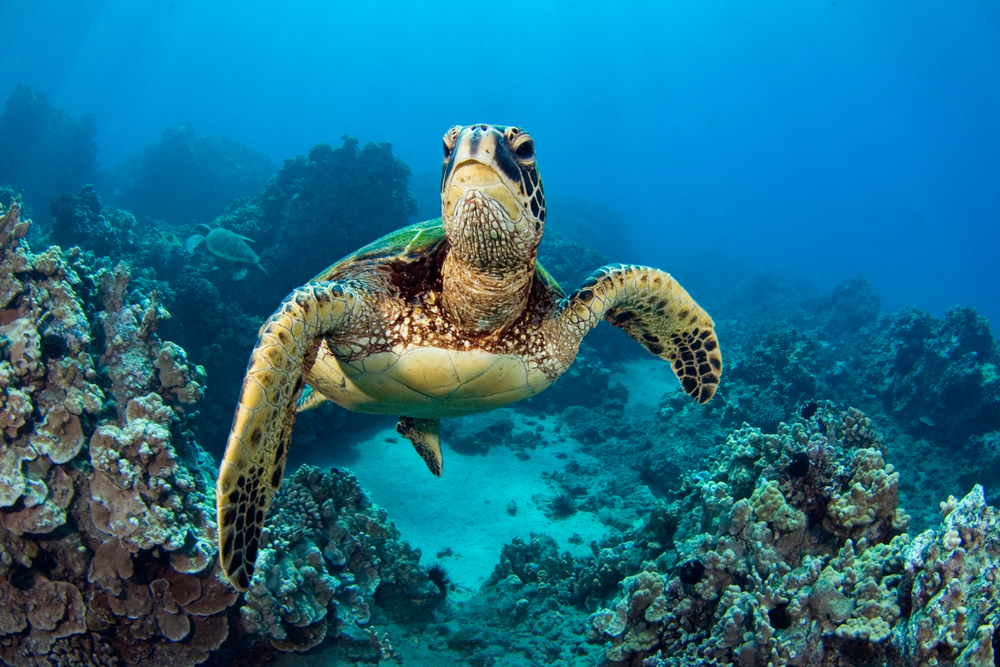
3. Sea Turtles
The world’s oceans are home to seven species of sea turtles. They can be found in most tropical diving locations. Unfortunately, all sea turtles species are vulnerable, endangered or critically endangered, mainly due to human impacts, such as nest poaching, habitat destruction, fishing and plastic pollution.
The best places to scuba dive with sea turtles are where they are protected. This includes the Great Barrier Reef, the Galapagos, Hawaii, Riviera Maya and much of Central America, Apo Island (Philippines), Ras Mohammed (Egypt), Sipadan (Malaysia) and other destinations with designated marine protected areas.
In addition to supporting turtles by visiting places that protect them, encourage friends and family to say no to single use plastics.
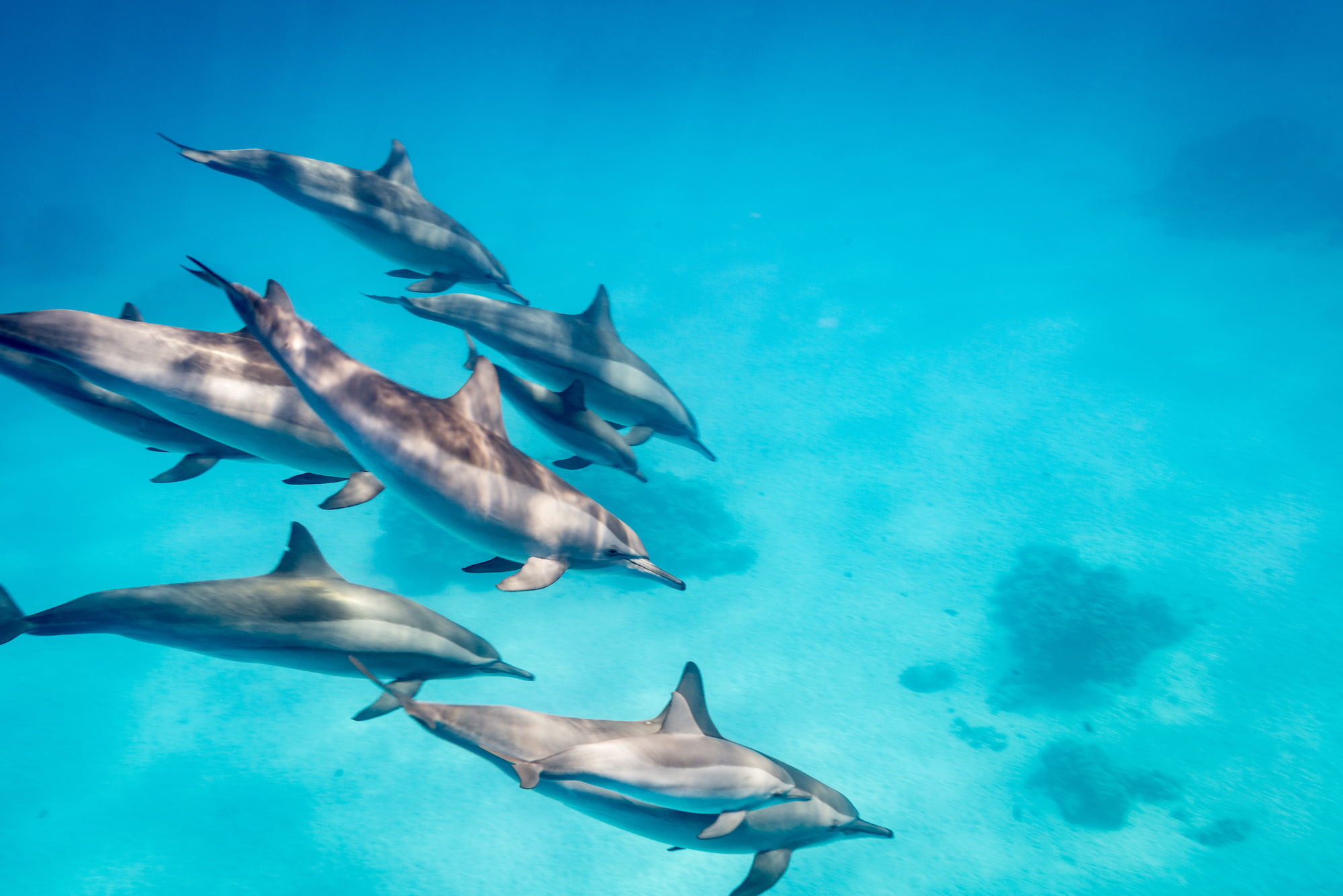
4. Dolphins
Dolphins are some of the smartest animals on earth. Maybe that’s why you often find them hanging out in tropical and temperate oceans.
Many divers have enjoyed spotting dolphins from the deck of a liveaboard or on the way out to a dive site. Diving with dolphins can happen, but it requires much greater luck than encounters on the surface.
The Galapagos, the Bahamas, Socorro and the Sea of Cortez, Raja Ampat (Indonesia), Sataya Reef & Samadai Reef (Egypt), Ningaloo Reef (Australia), Kaikoura (New Zealand), Hawaii and the Sardine Run in South Africa offer some of the better opportunities. Learn more about the best places to dive with dolphins or read 10 fascinating dolphin facts.
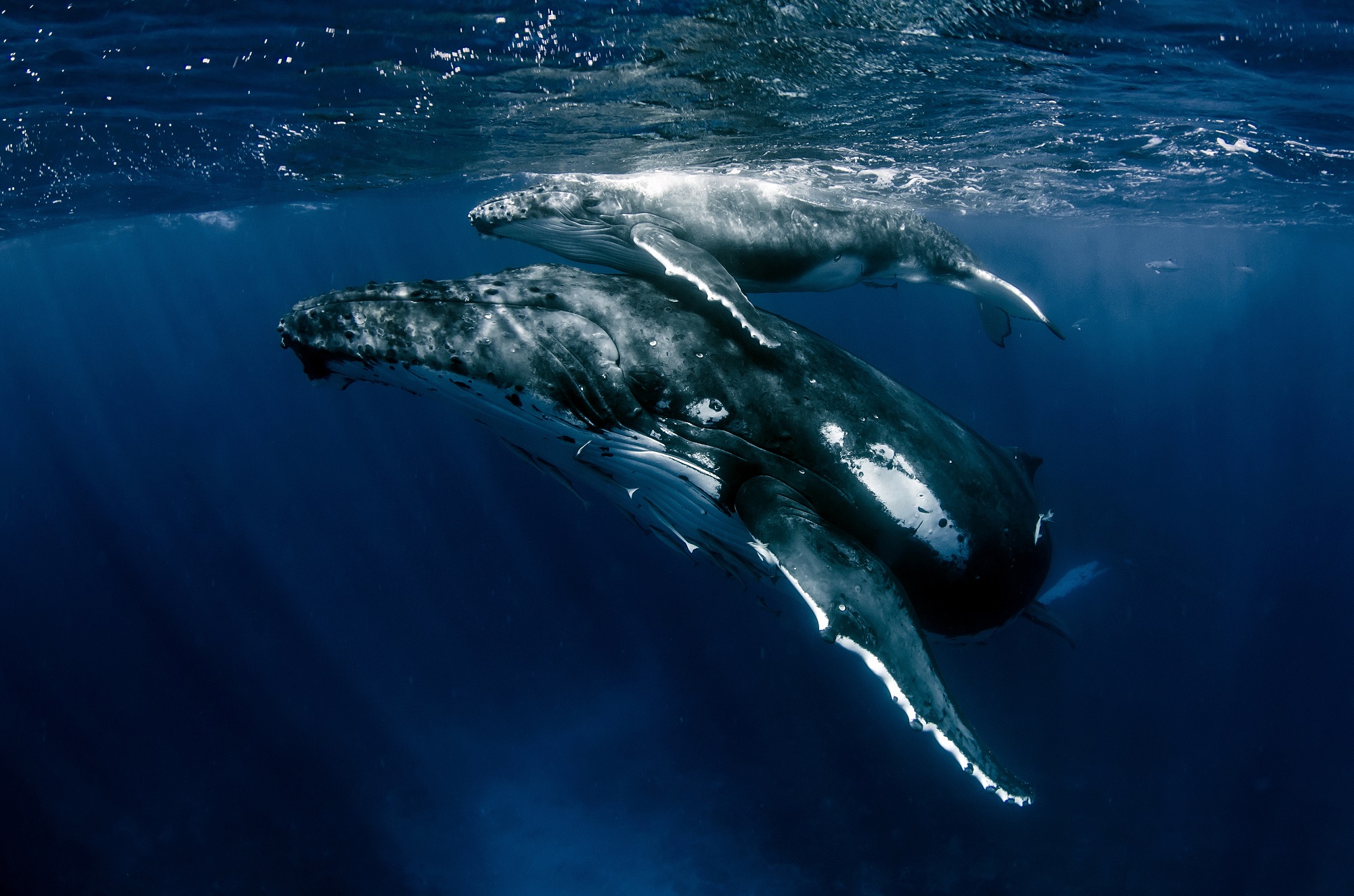
5. Humpback Whales
Their graceful movements, imposing size and hauntingly beautiful songs are just a few reasons to add the humpback whale to your scuba diving bucket list. Thanks to worldwide conservation efforts and international protections, the humpback whale population is recovering after being hunted close to extinction.
As a diver, you can show your support for this incredible animal by taking part in eco-tourism, such as signing up for a humpback whale snorkel experience in Tonga or the Dominican Republic. Chance encounters are also possible in Hawaii, with the most likelihood between the months of December to February.
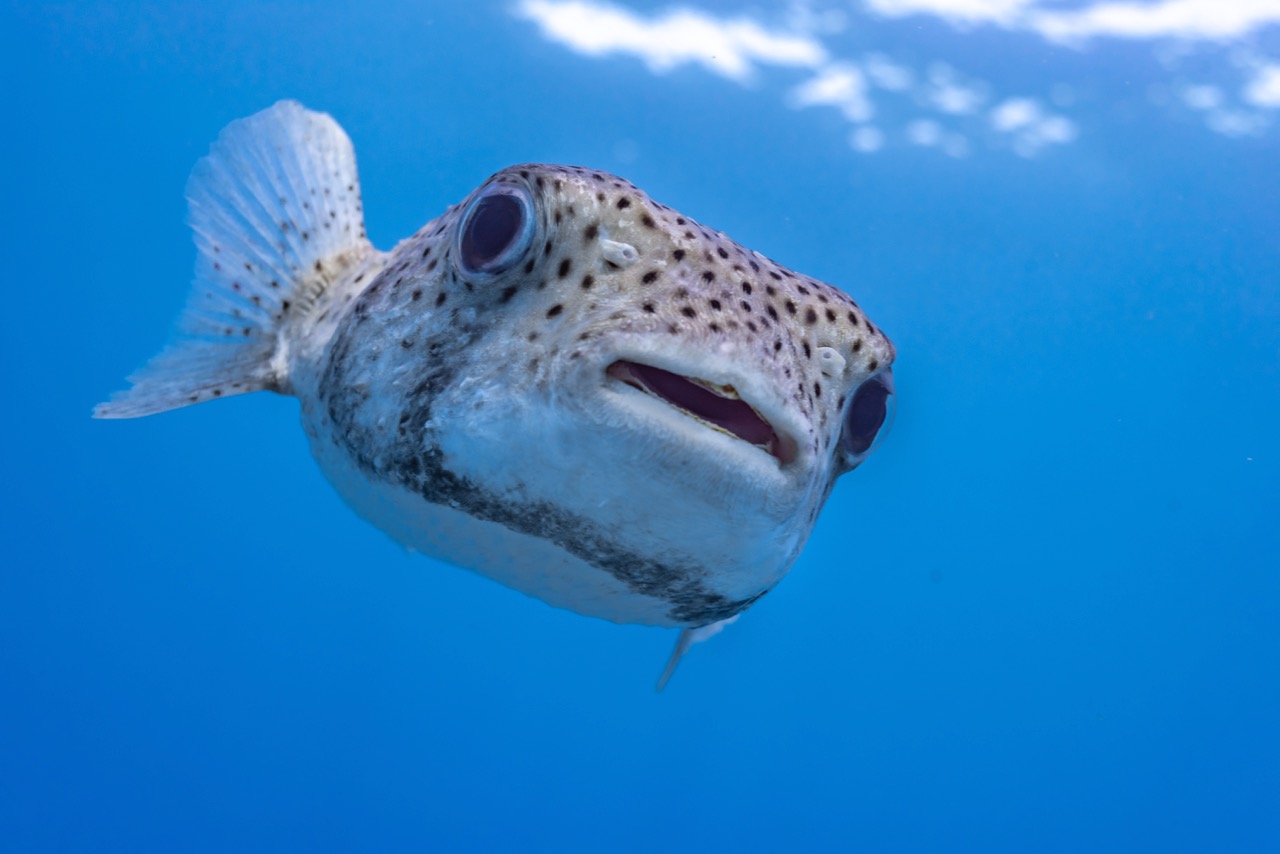
6. Pufferfish
The adorable pufferfish is found in most tropical and subtropical diving locations around the world. There are even pufferfish which live in brackish water and freshwater. One important note when diving with pufferfish is to always remain calm and not agitate them. Scaring or stressing these animals may cause them to inflate – a defensive and protective response which can actually shorten the animal’s life.
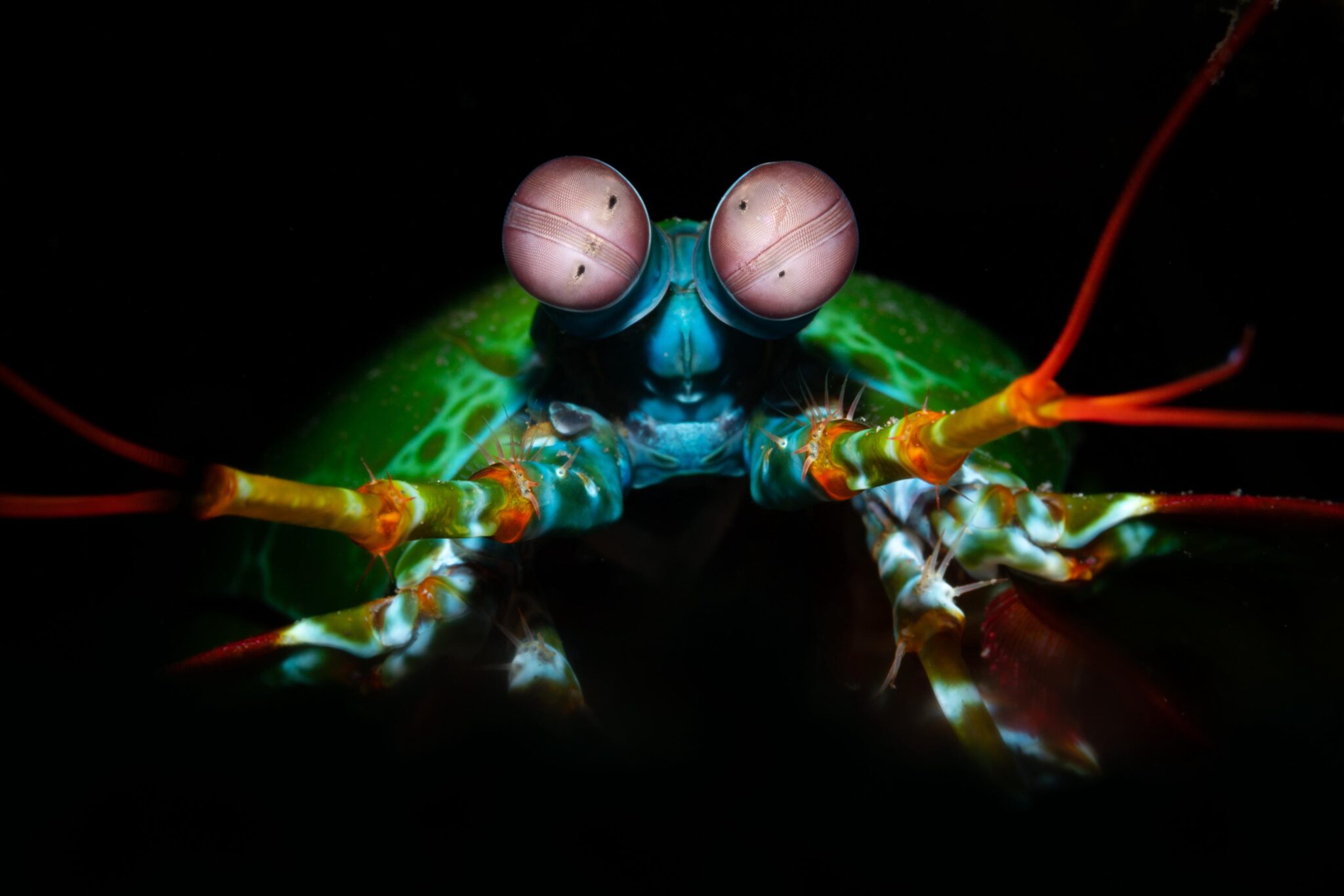
7. Mantis Shrimp
If we tell you that the mantis shrimp possesses one of the fastest limb movements found in the animal kingdom, you’ll believe us that there’s more than meets the eye with these colorful crustaceans. If you’re not yet aware of just how amazing the mantis shrimp truly is, you need to read this. These bizarre-looking creatures can often be found scurrying around reefs in The Coral Sea, Indian Ocean and in eastern Africa.
Click to display the embedded YouTube video
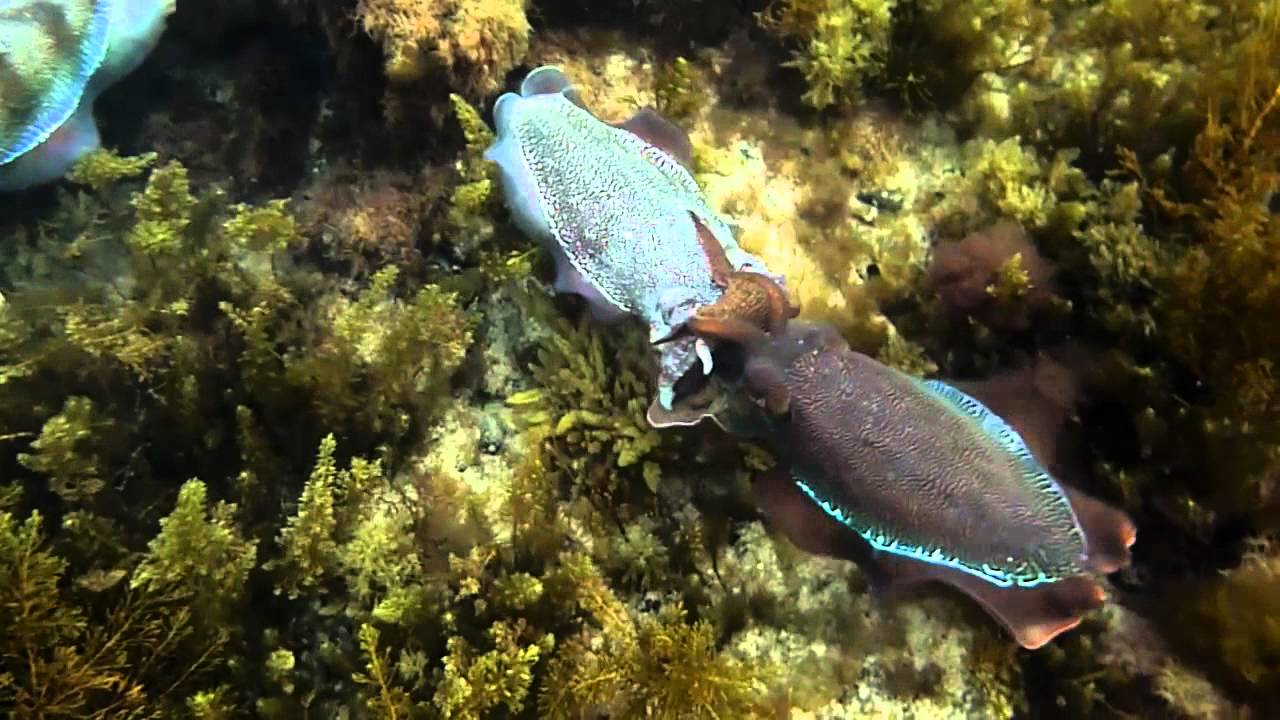
8. Cuttlefish
Cuttlefish are a relatively common sight in the Indo-Pacific, as well as parts of Africa and Europe. These mesmerizing creatures can move up, down and sideways, in addition to changing their skin texture and color (despite being colorblind!). One of the best places to see a cuttlefish is Whyalla in South Australia. Each year, thousands of these marine mollusks gather to mate and reproduce.
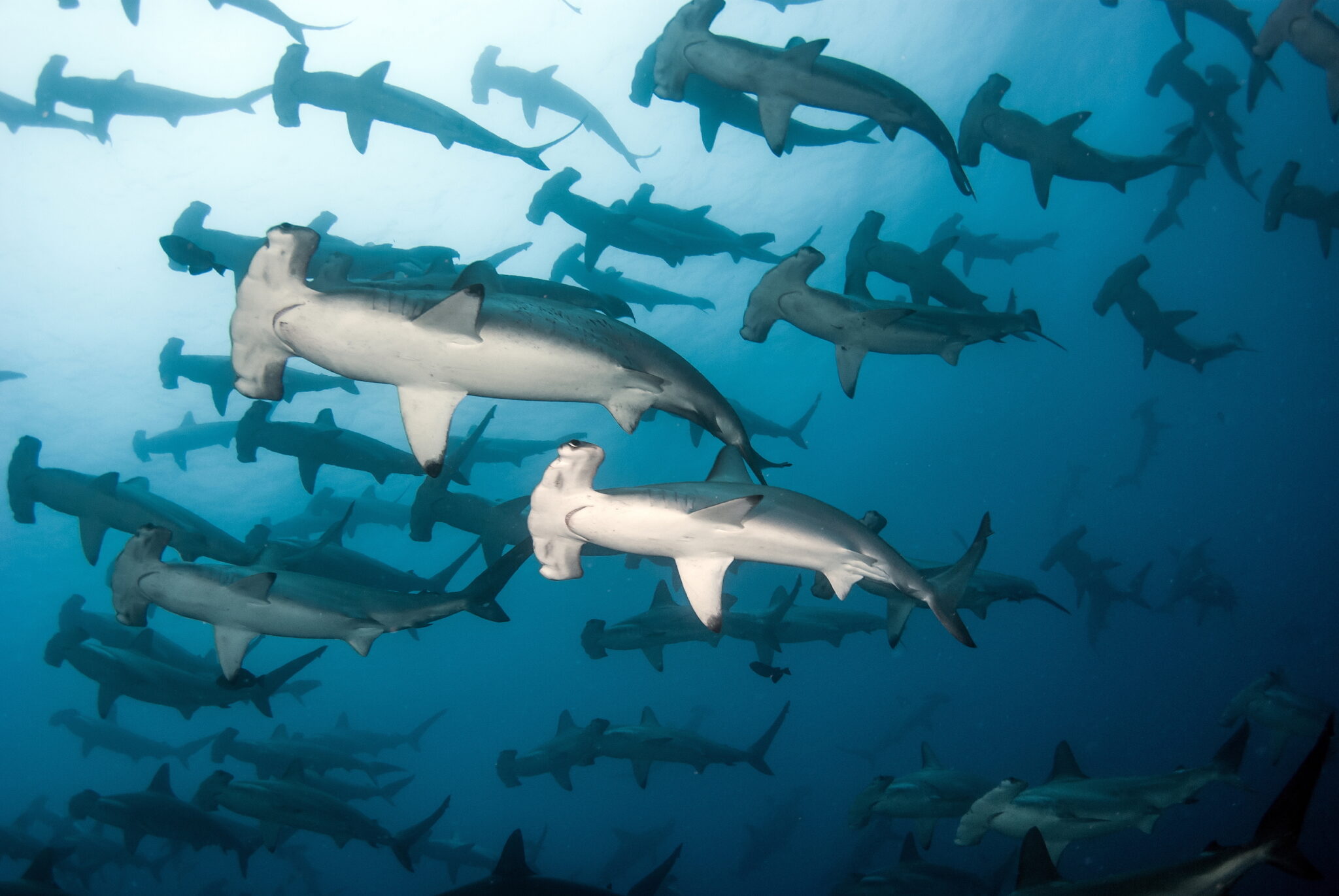
9. Hammerhead Sharks
With their unique head shape and intimidating size, a meeting with a hammerhead shark isn’t one you’re likely to forget. When it comes to getting in the water with them, there aren’t many better places to enjoy a face-to-face encounter than Bimini in the Bahamas. Here, sand-seated divers are often rewarded with multiple sharks circling around. A little further afield, Cocos Island in Costa Rica is a liveaboard-only destination, which is famous among divers for its schooling hammerheads and world-class diving.
The Galapagos, Japan, North Ari Atoll (Maldives), Socorro, Malaysia, Malpelo Island (Colombia), Zavora, Mozambique, South Africa and Rangiroa are other great places to dive with hammerheads in the right season.
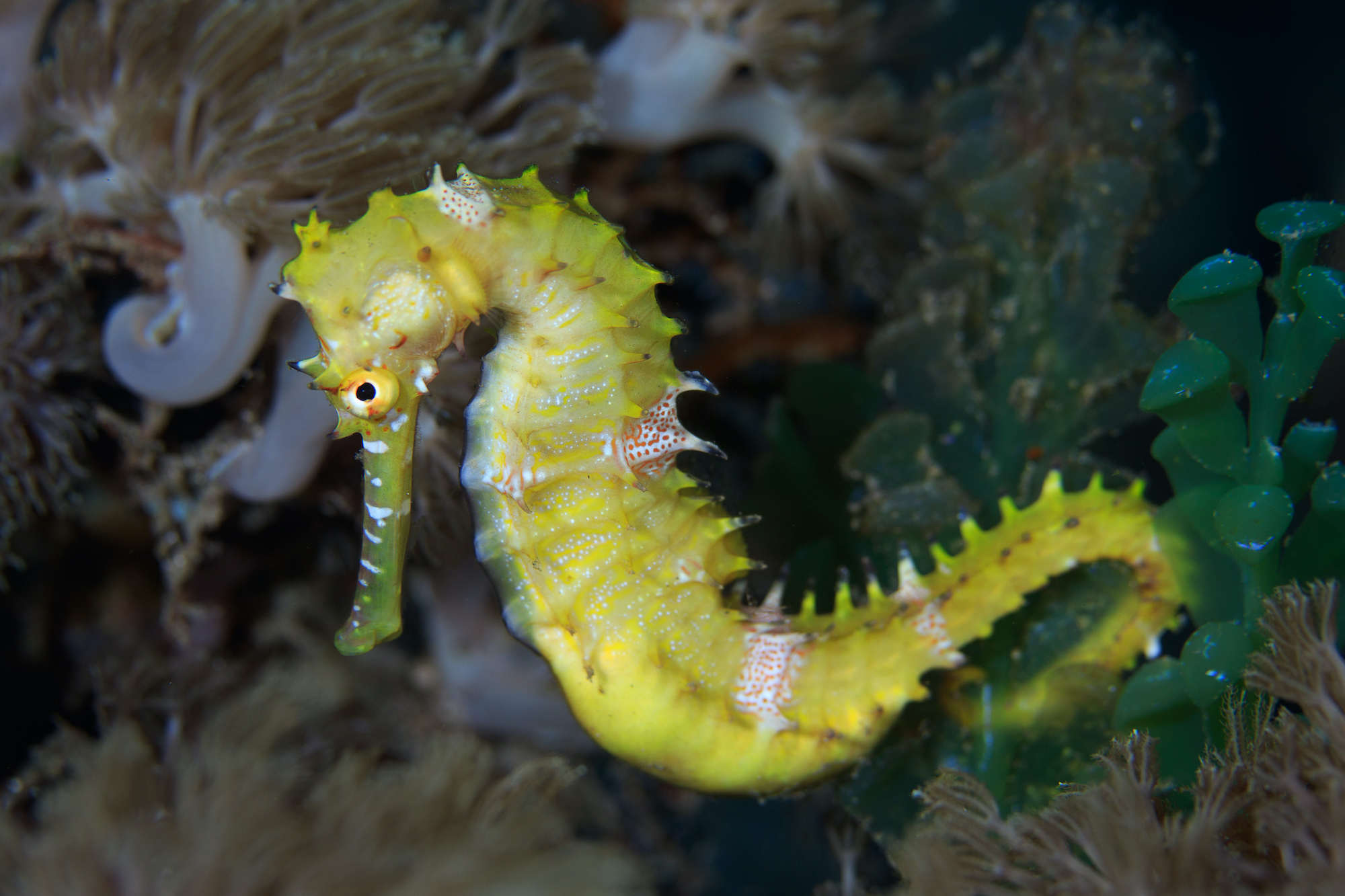
10. Seahorses
From the biggest, which can be more than 30 cm (12 inches) long, to the smallest, which max out at 1.4 cm (0.55 inches), seahorses are cryptic critters that never fail to mesmerize. Preferring shallow and temperate or tropical, warm waters, these unique animals are surprisingly widespread. They are usually found in coral reefs, sea grass beds or mangrove roots.
Popular destinations with seahorse-rich dive sites include Lembeh and Wakatobi in Indonesia (pygmy seahorses), Roatan Island in Honduras and Barbados.
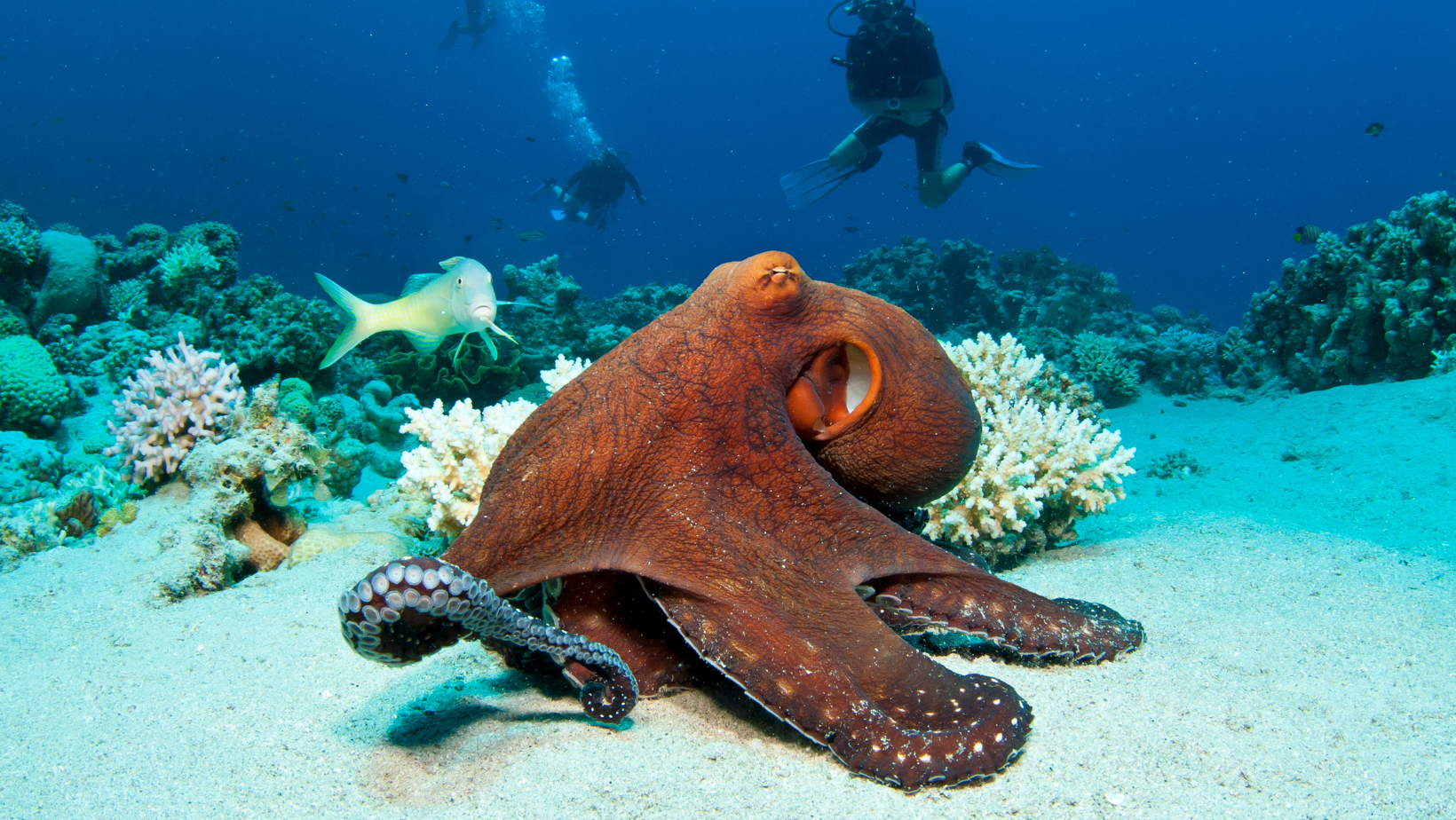
11. Octopuses
If it were to ever become a competition, the octopus would definitely be a contender for the title of world’s most interesting animal. In addition to problem-solving intelligence, these cephalopods boast some of the most fascinating traits found across the animal kingdom.
Noteworthy examples include the pulchritudinous blue-ringed octopus, which grows no larger than the palm of your hand and possesses a potentially life-threatening bite; the mimic octopus, which can impersonate a variety of sea creatures, including sea snakes, jellyfish, feather stars and giant crabs; and the coconut octopus, named for its observed behavior of collecting and using a discarded or fallen coconut shells for refuge or protection.
Fancy coming face to face with these other-worldly creatures? Check out our guide to the best destinations to dive with octopuses.
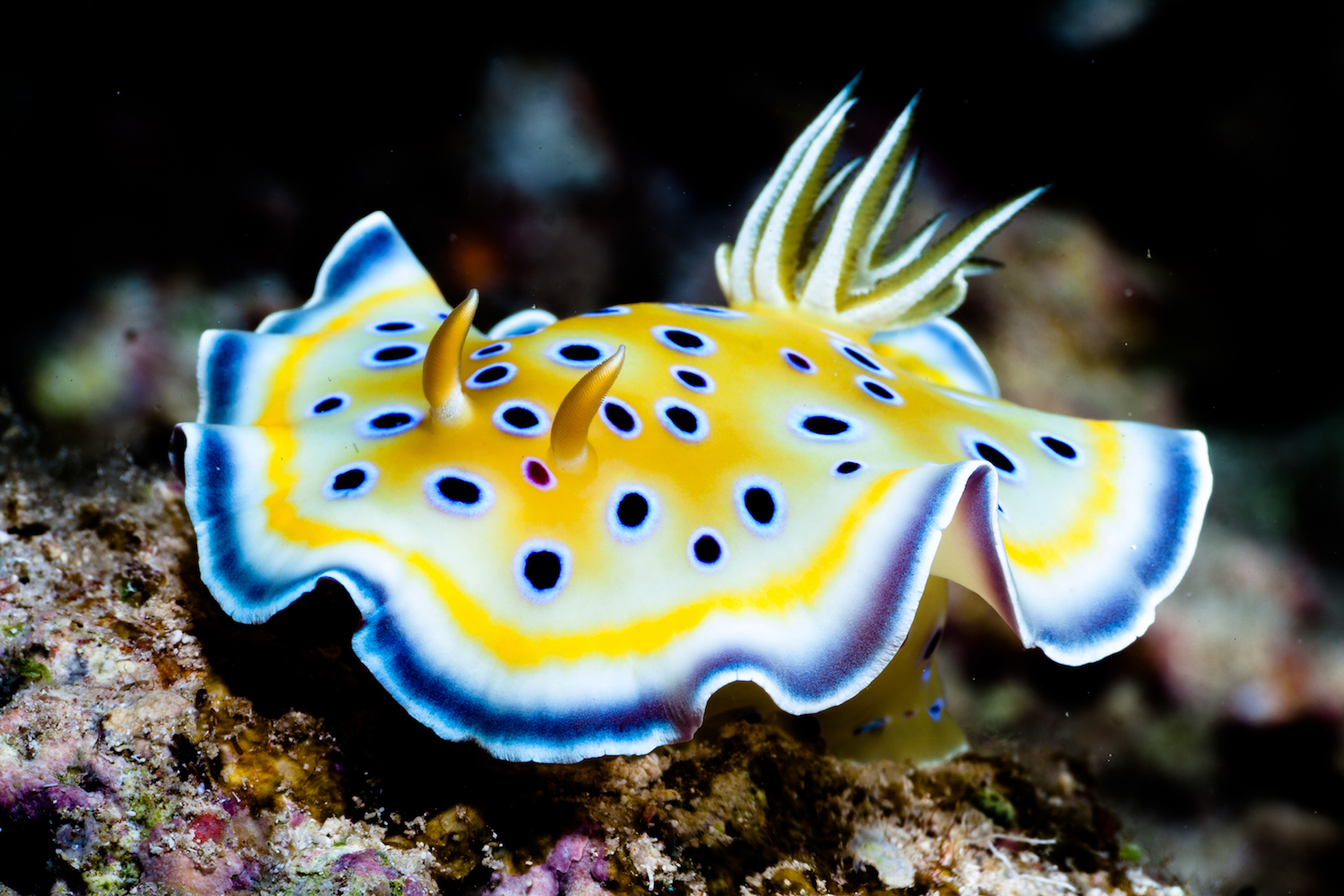
12. Nudibranchs
While “nudibranch” may become a rather familiar entry in a diver’s log book, there’s no denying that seeing one of these often unique, slug-like creatures for the first time is a memorable occasion – and one which should not be missed.
In addition to their fascinating physical biology, which allows them to be present from tropical reefs to sub-arctic waters, nudibranchs earn their place on this list because of the variety of eye-catching forms and rainbow of colors they come in. And as there are more than 3,000 recorded species, you’ll never be short of a new one to search out on your next dive vacation.
Of the known nudibranch species, perhaps the most sought after is the sea bunny, Jorunna parva. In 2015, these tiny nudis (short for nudibranchs) shot to fame on social media thanks to their bunny rabbit-like appearance. Another popular nudibranch is the blue sea dragon, Glaucus atlanticus, a don’t-believe-it-until-you-see-it type creature. The Spanish Dancer is also worth a mention. It’s named for its flamenco dancer-like appearance and movements.
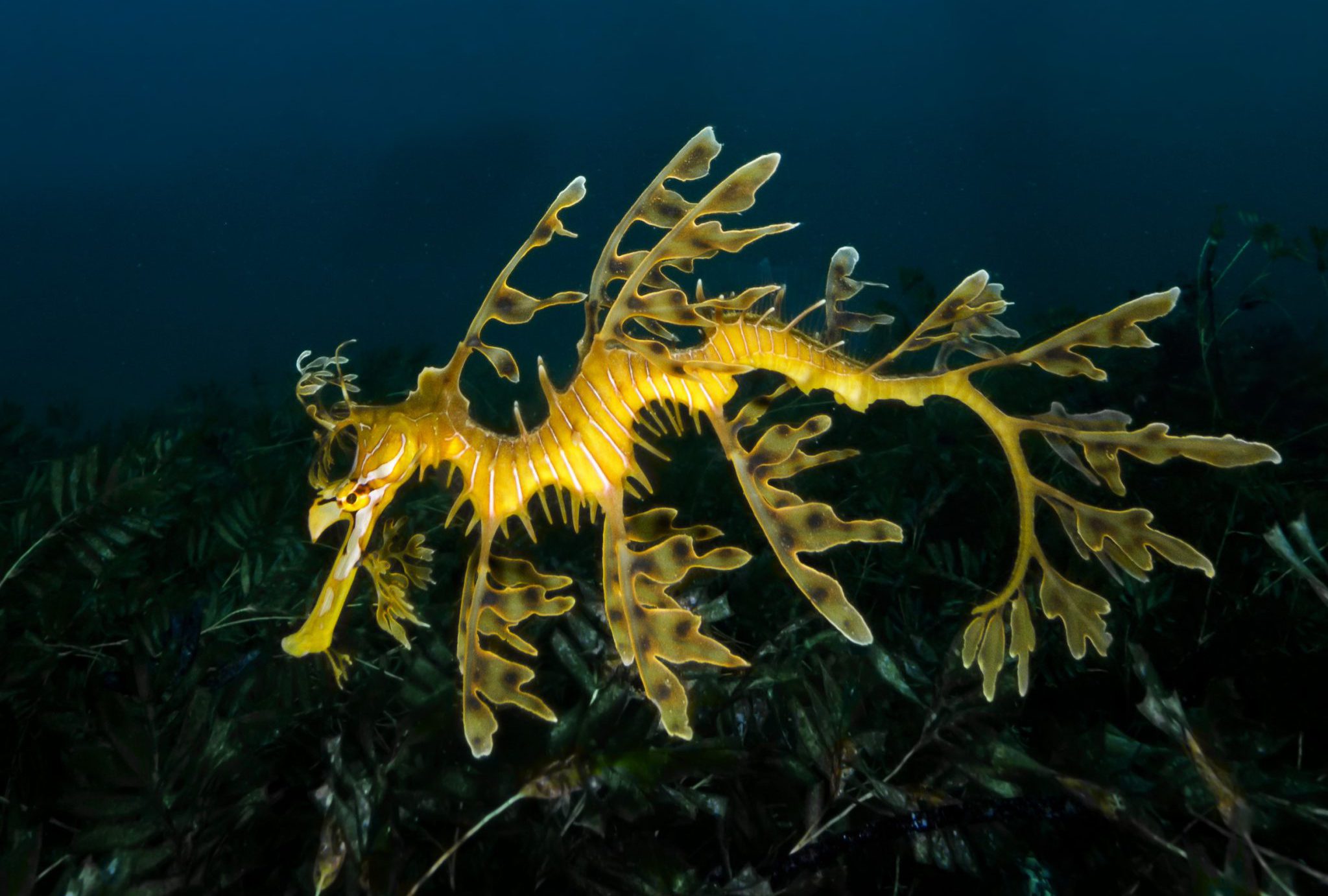
13. Leafy and Weedy Sea Dragons
These other-worldly looking creatures both call the coastal waters of Australia home. The leafy sea dragon is found exclusively along the southern and western coasts, while the more commonly encountered weedy sea dragon can be found near Sydney, Melbourne and Tasmania.
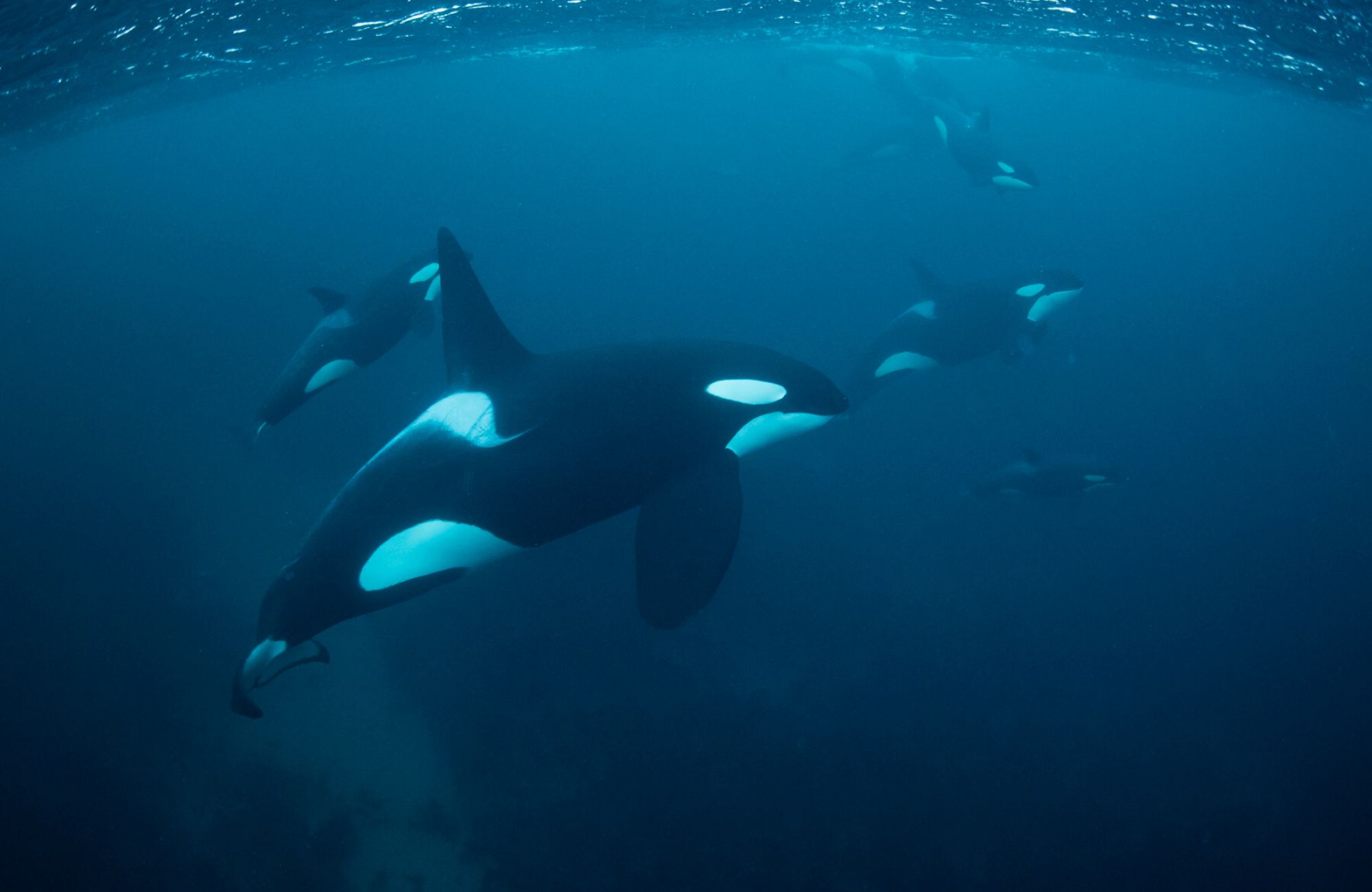
14. Orcas
As the largest members of the dolphin family, few encounters come close to the thrill of being in the ocean with orcas! Norway is known as one of the destinations with the most accessible opportunities to get in the water with these giants. Snorkelers have the best chance of spotting them during the winter months when orcas follow herring migrations into the fjords.
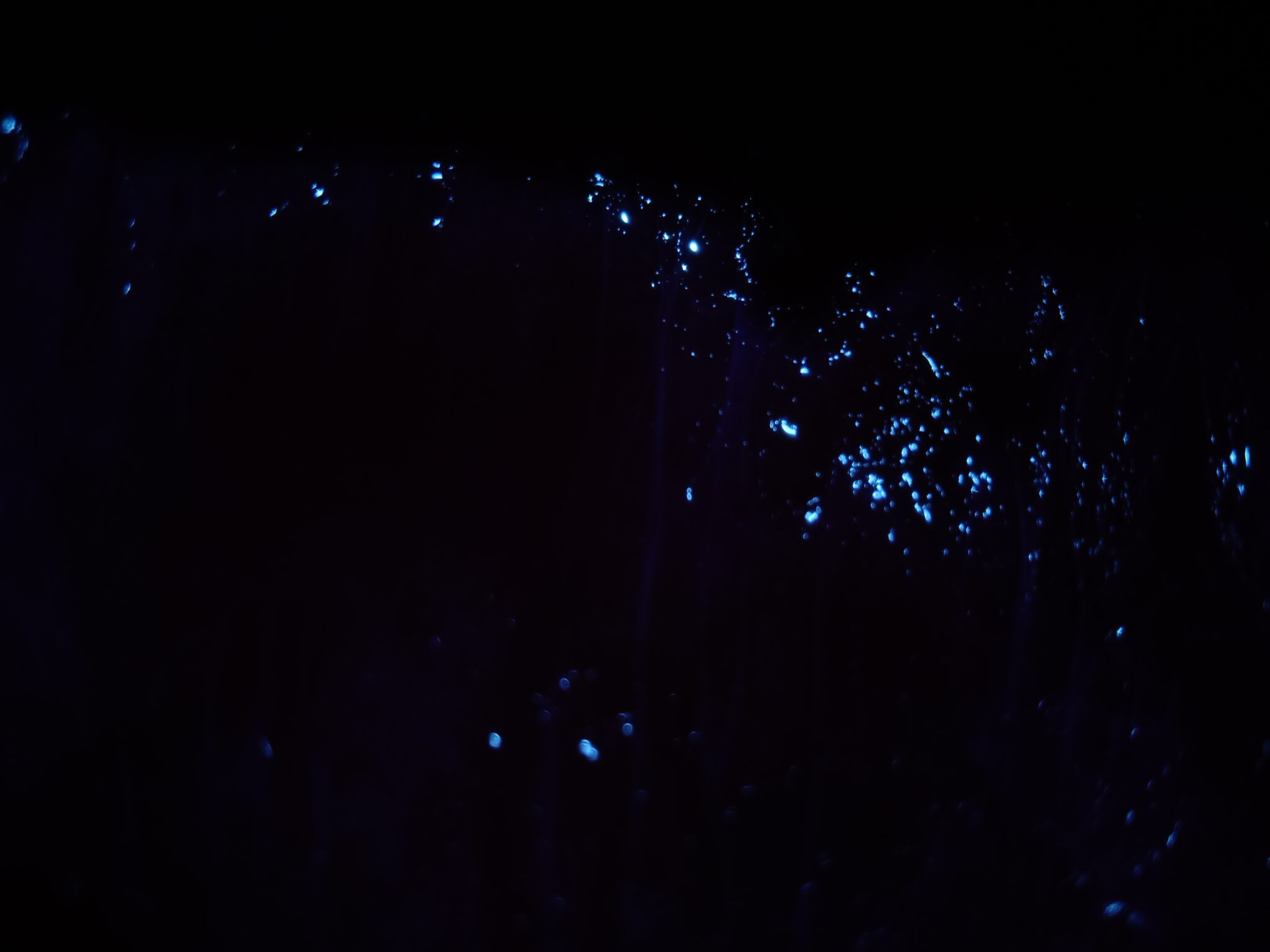
15. Bioluminescent Plankton
Almost psychedelic looking, bioluminescent plankton create rave-worthy moments underwater! When disturbed on night dives by motion in the water, the plankton glows. La Parguera (Puerto Rico), Vaadhoo Island (Maldives) and Toyama Bay (Japan) are perhaps the most renowned spots for these glowing displays, but you can also spot bioluminescence in Bonaire, St. Croix, Honduras, Panama and the US Virgin Islands.
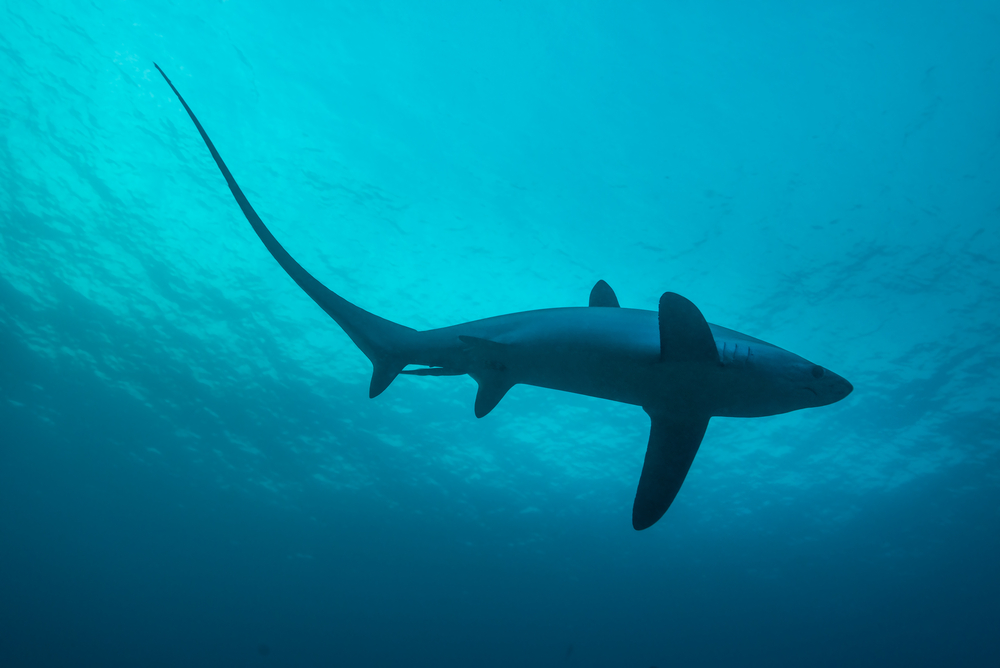
16. Thresher Sharks
If you’ve heard of thresher sharks, you’ll likely have heard of their extraordinary whip-like tails. These can span their entire body length, and they are used to stun shoals of fish while hunting. Divers often head to Malapascua Island in the Philippines for consistent sightings, particularly at the Monad Shoal dive site.
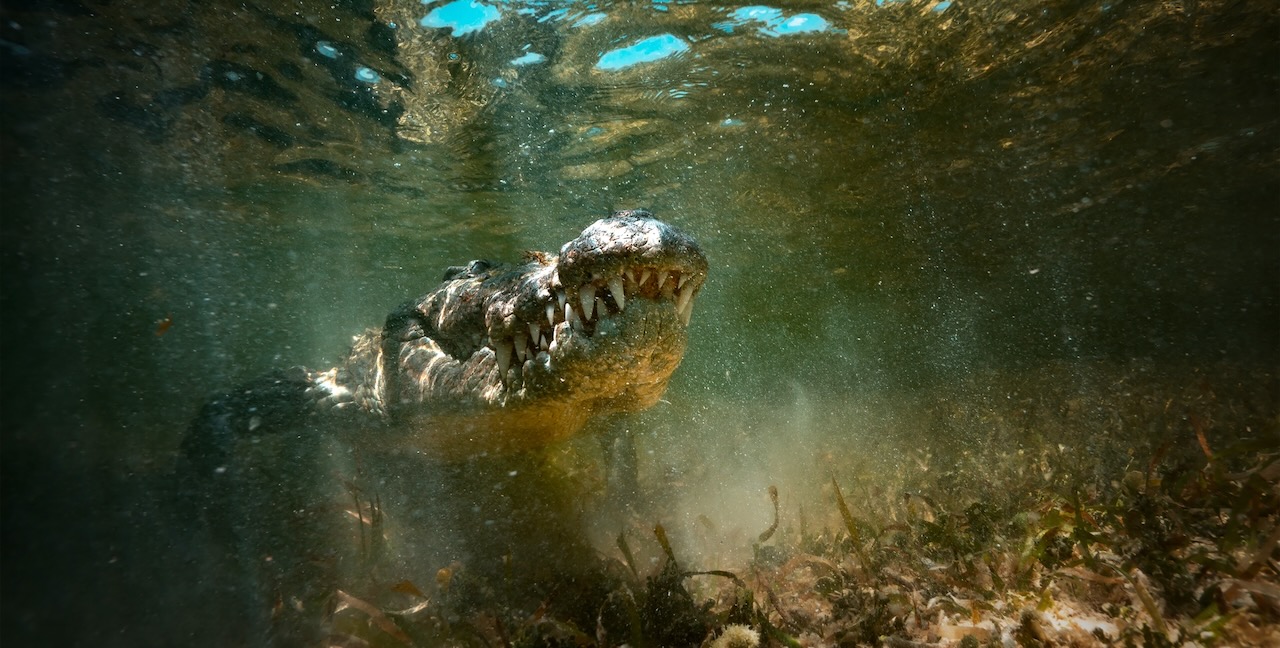
17. Crocodiles
Behold the largest living reptile on the planet, reaching up to 6 meters (20 feet) in length! Banco Chinchorro in Mexico is one of the few places freedivers can get in the water with the American crocodile.
Now that you’ve seen what’s out there, it’s time to get in the water and start checking off animals on your own scuba bucket list! Get your PADI and experience the awe of being underwater with some of the world’s most fascinating marine marvels.
Alternatively, for more underwater inspiration, check out the world’s best big animal dives and the top underwater creatures to see before they disappear.